
Before Every Workout: A Preparation Checklist

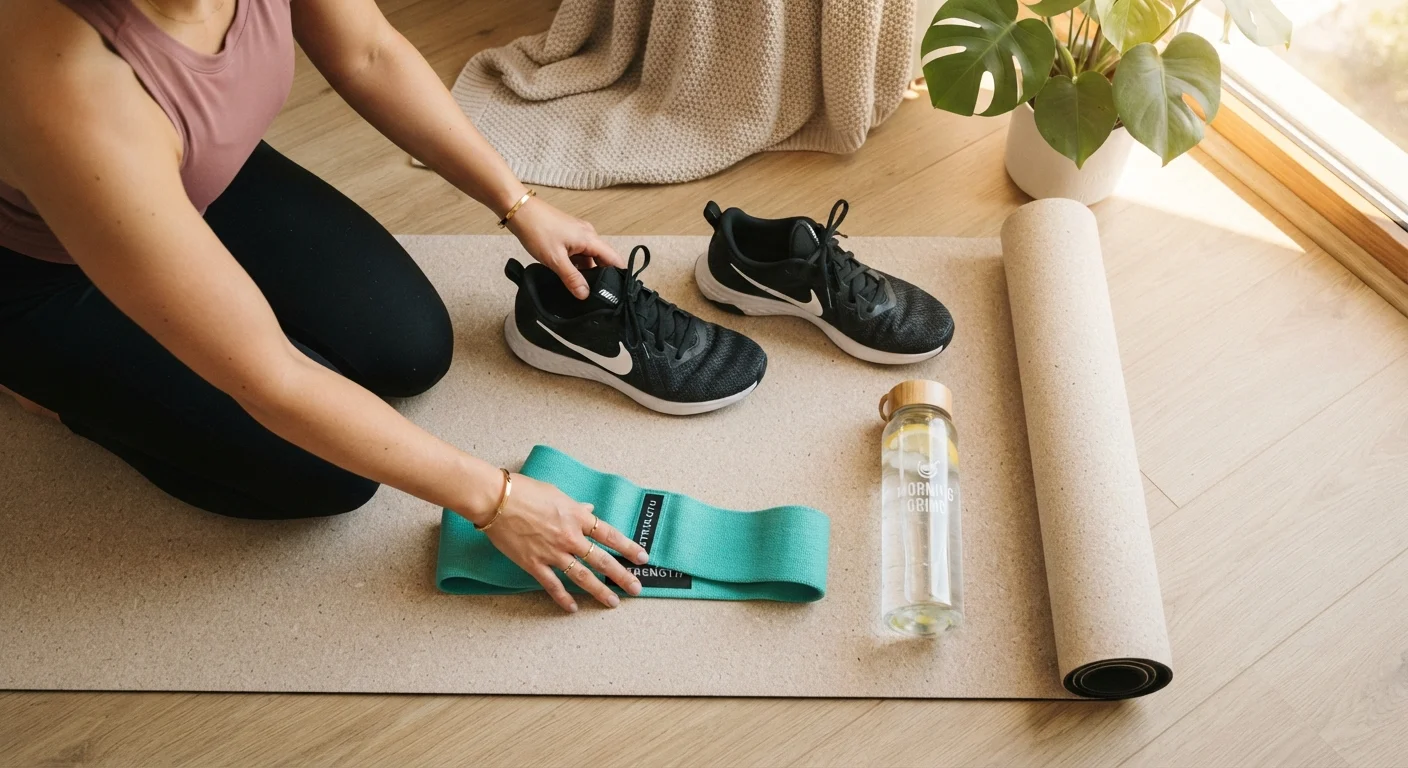
Photo: UltraSearches.com | Search Results You Can Trust editorial
Key Takeaways
- Hydrating before exercise supports performance and reduces the risk of early fatigue.
- A dynamic warm-up primes muscles and joints more effectively than static stretching alone.
- Checking your gear and environment before starting helps prevent avoidable injuries.
- A brief mindset check helps you set realistic intentions and train at an appropriate intensity.
- Pre-workout preparation is a habit that compounds - consistency matters more than perfection.
Why Pre-Workout Preparation Matters
Most workout injuries and subpar sessions don't start mid-exercise - they start in the five minutes before. Skipping hydration, jumping straight into heavy lifts, or wearing worn-out footwear are patterns that quietly undermine progress and raise injury risk over time.
This checklist is designed for everyday exercisers at any level. Whether you're just building your first fitness habit or returning after time away, a consistent pre-session routine creates the conditions for safer, more effective training. Run through these items before every session - it should take no more than 10-20 minutes total.
Reusable Water Bottle
Keeps you hydrated throughout your session without repeated trips to a fountain.
Workout Log or App
Recording your planned and completed exercises helps track progress and keeps sessions intentional.
Appropriate Footwear
Activity-specific shoes provide the right support and grip to reduce injury risk.
Foam Roller or Mobility Tool
Used during warm-up to address tight areas and improve range of motion before loading.
Timer or Interval App
Helps manage warm-up duration and rest periods so sessions stay structured.
Your Pre-Workout Checklist
The checklist below is grouped into four practical categories. Each item is flagged by priority so you can triage if time is short - but aim to hit the must items every single time.
Hydration & Nutrition
Gear & Environment
Warm-Up
Mindset & Planning
Pain Is Not a Prep Cue to Push Through
If you're managing a health condition, recovering from an injury, or returning after a long break, consider reviewing the guide to re-entering exercise safely before applying this checklist. Always consult a qualified healthcare professional before beginning or significantly changing an exercise program.
Getting the Most From This Checklist
A checklist is only useful if it becomes a habit. The goal isn't to add friction to your workout - it's to replace haphazard prep with a reliable ritual. Over time, most of these steps become automatic.
Pay particular attention to your warm-up. Research consistently supports dynamic movement (leg swings, arm circles, bodyweight squats) over static stretching as the preferred pre-exercise routine. For a deeper look at the evidence, see what research suggests about stretching timing.
Also keep an eye on how hard you're pushing. Training intensity that is either too low or too high can stall progress. Learn the signs that your intensity may be misaligned and adjust accordingly. Similarly, strong form from the start of each session is one of the best injury-prevention tools available - common form mistakes in foundational exercises are often fixable once you know what to look for.
Special Populations: Consult a Professional First
This article is for general informational and educational purposes only and does not constitute medical advice. Consult a qualified healthcare professional before starting, changing, or resuming any exercise program, especially if you have a medical condition or history of injury.
The content on this site is for informational purposes only and is not a substitute for professional advice. Always consult a qualified professional for guidance specific to your situation.