
Building a Weekly Exercise Schedule That You Can Actually Stick To

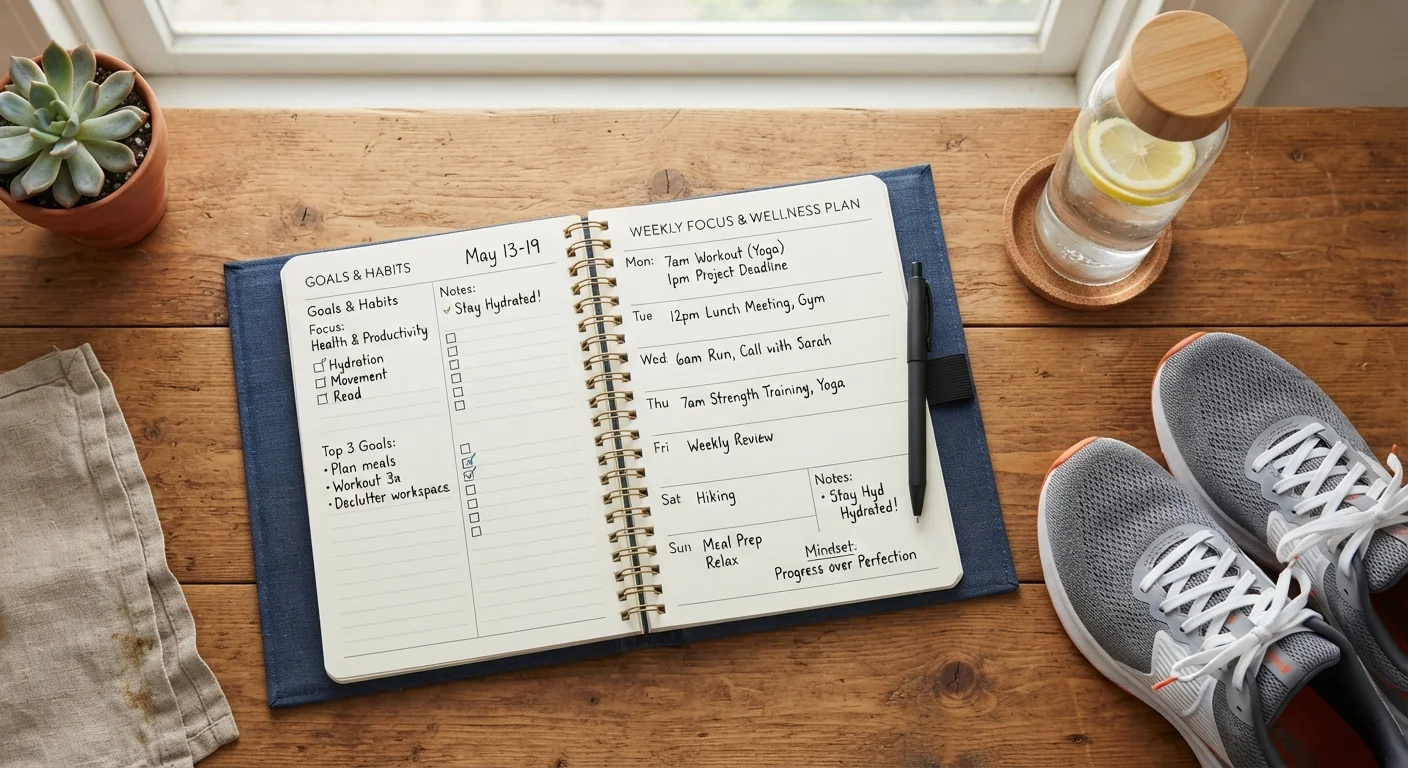
Photo: UltraSearches.com | Search Results You Can Trust editorial
Key Takeaways
- Physical activity guidelines recommend at least 150 minutes of moderate-intensity movement per week for most adults.
- A sustainable schedule balances cardio, strength, and intentional rest days to support recovery.
- Matching workout days to your real availability-not an ideal version of it-is the key to consistency.
- Progress comes from showing up regularly over weeks and months, not from any single perfect session.
- You do not need a gym membership to build an effective and balanced weekly exercise plan.
Why Most Exercise Schedules Fail-and What to Do Differently
The most common reason people abandon workout plans isn't lack of willpower-it's that the plan was never realistic to begin with. Schedules borrowed from fitness influencers or designed for people with different jobs, sleep needs, and energy levels tend to collapse within weeks. The fix is straightforward: build the schedule around your actual life, not an aspirational one.
Evidence-based exercise science is clear that consistency over time produces results-not any particular workout style or timing. Exercise consistency over time is what drives cardiovascular adaptation, strength gains, and improved mood. A plan you follow 80% of the time for six months outperforms a perfect plan followed for two weeks.
Consult a Professional Before Starting
The steps below walk you through building a schedule from the ground up-starting with your calendar, not a workout template.
What you will need
How to Build Your Weekly Exercise Schedule
Use the tools below to support your planning, then follow each step in order. You don't need specialized equipment or a gym membership to create an effective routine.
Weekly planner or calendar app
Used to block out specific workout days and times so exercise becomes a scheduled commitment.
Resistance bands or bodyweight-only space
Enables strength training sessions at home without gym equipment.
Comfortable athletic footwear
Provides support and reduces injury risk during cardio and strength sessions.
Fitness journal or tracking app
Helps you log workouts and monitor adherence over time, which supports motivation and adjustments.
Audit your actual weekly availability
Before choosing workout types, look at your real week-not an optimistic version of it. Pull up your calendar and identify windows of 20-60 minutes where exercise is genuinely feasible. Note whether mornings, evenings, or lunch breaks work best on which days. Be honest: a schedule built around your real life will outlast one built around the life you wish you had.
Set a clear, specific goal for the next 4-6 weeks
General fitness, improved cardiovascular endurance, and increased muscle strength are all valid targets-but pick one primary focus. A specific goal shapes what types of exercise you prioritize and how you distribute intensity across the week. For example, someone focused on cardiovascular health will weight their schedule differently than someone rebuilding strength after a long break. If you're newer to structured training, our guide to starting from zero covers how to set realistic early expectations.
Select your weekly movement types
A well-rounded weekly plan typically includes three categories: cardiovascular exercise (walking briskly, cycling, swimming, jogging), strength or resistance training (bodyweight exercises, resistance bands, free weights), and flexibility or mobility work (stretching, yoga-style movement). The U.S. Department of Health and Human Services recommends at least 150 minutes of moderate-intensity aerobic activity and two days of muscle-strengthening activity per week for most adults. You don't need to hit all categories every day-spread them across the week intentionally.
Assign specific days to each workout type
Place your harder sessions-strength training or high-effort cardio-on days when you have more energy and recovery time afterward. Schedule lighter activity (a walk, gentle stretching) on days adjacent to your toughest sessions. A common beginner-friendly structure is: strength Monday and Thursday, moderate cardio Wednesday and Saturday, and light movement or rest on the remaining days. For a deeper look at how to structure frequency and volume, see the principles of sound workout programming article.
Build in at least one full rest day
Rest is not optional-it is when adaptation happens. Muscle tissue repairs and strengthens during recovery, not during the workout itself. Schedule at least one full rest day per week where you do no structured exercise. Two rest days is appropriate for most beginners. If you notice persistent soreness, disrupted sleep, or declining motivation, those can be signs your training load needs adjustment-see signs your workout intensity is off for guidance.
Write the schedule down and treat it like an appointment
Once you've mapped your week, record it explicitly-on paper, in a phone calendar, or in a fitness app. Add reminders. Tell someone in your household if that helps with accountability. Research consistently shows that implementation intentions (deciding in advance when and where a behavior will occur) significantly increase follow-through. Pair your workout slot with an existing habit, such as exercising right after you drop kids off or immediately after work, to reduce the decision-making friction each day.
Review and adjust after two weeks
No schedule survives first contact with real life perfectly. After two weeks, check in: Did you complete most sessions? Were any days consistently skipped? Adjust the plan based on evidence, not guilt. Shifting a session from Tuesday to Wednesday is not failure-it's refinement. Over time, this iterative process produces a schedule that genuinely fits your life. For perspective on how your body responds to consistent effort over months, see exercise consistency over time.
Prepare Before Each Session
Form Matters as Much as Frequency
This article is for general informational and educational purposes only and does not constitute medical or professional fitness advice. Always consult a qualified healthcare provider before beginning a new exercise program, particularly if you have any health conditions or concerns.
The content on this site is for informational purposes only and is not a substitute for professional advice. Always consult a qualified professional for guidance specific to your situation.