
Fitness Myths That Keep People From Making Real Progress

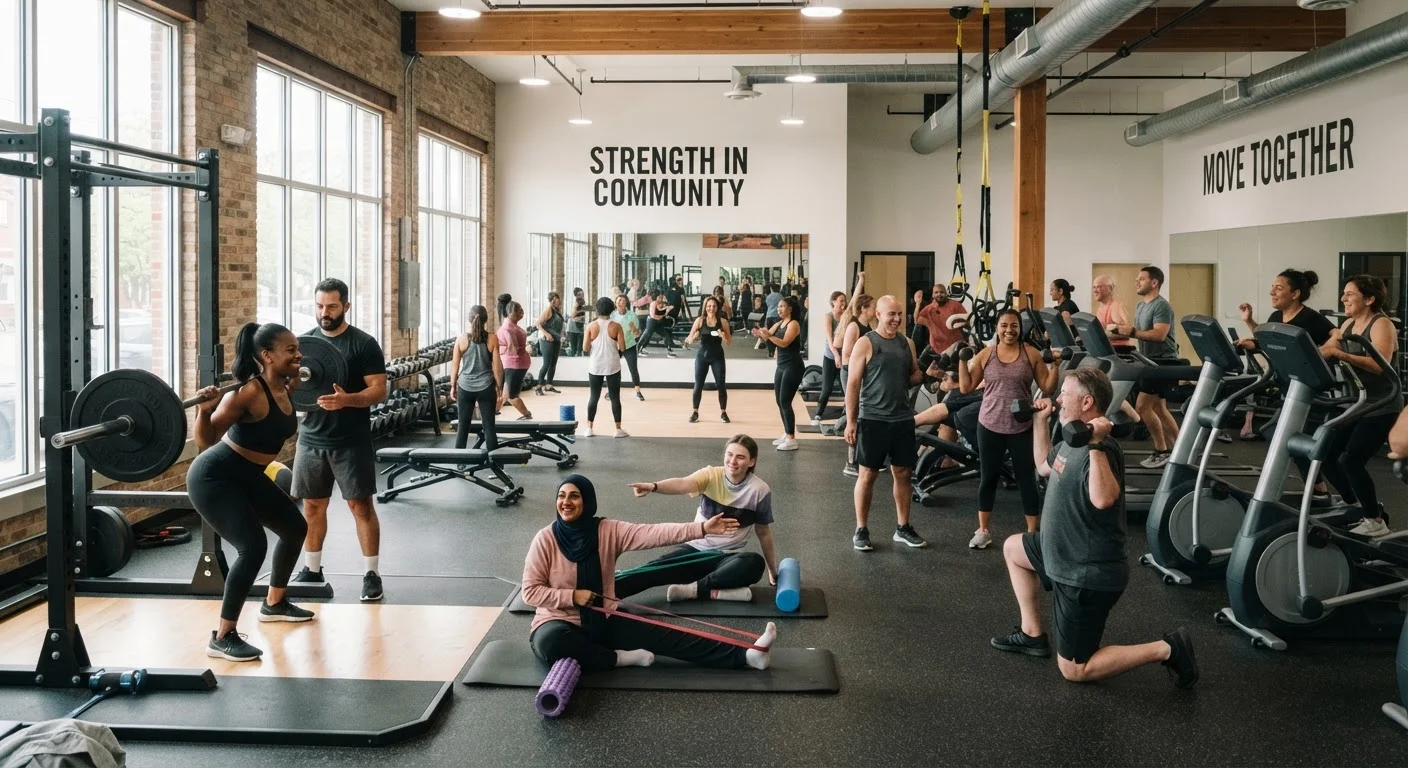
Photo: UltraSearches.com | Search Results You Can Trust editorial
Key Takeaways
- Muscle soreness is not a reliable indicator of workout effectiveness or progress.
- Spot reduction - losing fat from a specific body area - is not supported by exercise science.
- More exercise is not always better; recovery is an essential part of any fitness program.
- Strength training benefits all adults regardless of age, gender, or current fitness level.
- Consistency over time matters far more than any single perfect workout.
Why Fitness Myths Are So Difficult to Shake
Fitness misinformation spreads easily because it often contains a kernel of plausible logic, gets repeated confidently in gyms and on social media, and - critically - some people seem to get results despite following flawed advice. But personal anecdote is a poor substitute for systematic evidence, and myths that sound reasonable can quietly undermine progress or, worse, lead to injury.
The myths examined below are among the most common across fitness culture. Each is measured against what exercise science actually shows. If any of these beliefs have shaped your approach to training, the corrections here may be the most useful adjustment you make. Unfamiliar terms used throughout? A plain-language fitness glossary covers the basics.
Myth
No pain, no gain - if you're not sore the next day, you didn't work hard enough.
Fact
Delayed onset muscle soreness (DOMS) is one possible response to exercise, but its absence does not mean a workout was ineffective.
Muscle soreness occurs when exercise introduces a stimulus the body isn't accustomed to - particularly eccentric movements, new exercises, or increased volume. As the body adapts, soreness naturally diminishes even when training intensity remains high or increases. Experienced exercisers often feel little soreness while making consistent gains. Chasing soreness as a goal can actually push people toward overtraining or poor exercise selection rather than genuine progress. A more useful metric is whether you can perform more work - more reps, more resistance, better technique - over time. See how progressive overload drives real fitness gains for a clearer framework.
Myth
You can lose fat from a specific area of your body by targeting exercises at that spot.
Fact
Fat loss occurs systemically across the body through a caloric deficit; targeted exercises do not preferentially burn fat in the worked area.
"Spot reduction" is one of the most persistent myths in fitness. While exercises like crunches strengthen the abdominal muscles, they do not selectively burn the fat overlying them. Research consistently shows that the body draws on fat stores based on genetics, hormones, and overall energy balance - not proximity to working muscles. Resistance and cardiovascular training both contribute to body composition changes, but where fat is lost first and last is largely determined by individual biology, not exercise selection. Understanding what cardio and strength training each do for your body helps set realistic expectations.
Myth
Lifting weights will make you bulky, especially if you're a woman.
Fact
Building significant muscle mass requires specific, sustained effort, favorable hormonal conditions, and often years of progressive training - it does not happen accidentally.
The fear of "accidentally" getting bulky discourages many people - disproportionately women - from resistance training, which has well-documented benefits for bone density, metabolic health, balance, and functional strength. Muscle hypertrophy (growth) is a slow process driven by factors including testosterone levels, caloric intake, and training volume. Most people who add resistance training to their routine develop a leaner, stronger physique rather than dramatically increased muscle size. Strength training is recommended for all adults by major health organizations including the U.S. Centers for Disease Control and Prevention (CDC).
Myth
More exercise is always better - working out every day will accelerate your results.
Fact
Recovery is when physiological adaptations - stronger muscles, improved cardiovascular efficiency - actually occur. Overtraining undermines progress and raises injury risk.
Exercise places controlled stress on the body; the body then repairs and adapts during rest. Without adequate recovery, this adaptation cycle is interrupted. Overtraining syndrome - a recognized condition characterized by performance decline, fatigue, mood disturbances, and elevated injury susceptibility - is a real risk for those who train too frequently without sufficient rest. Most evidence-based guidelines recommend incorporating rest days and periodizing training intensity across weeks and months. Consistency over time is a more reliable predictor of long-term results than maximum daily effort.
Myth
Cardio is the most important exercise for losing weight; strength training is optional.
Fact
Both resistance training and cardiovascular exercise contribute to body composition and health outcomes, and neither is universally superior for weight management.
Cardiovascular exercise burns calories during the activity itself and supports heart health. Resistance training builds lean muscle tissue, which raises resting metabolic rate - the number of calories burned at rest. Research suggests that combining both modalities produces better body composition outcomes than either alone for most people. The "best" exercise is ultimately the type a person will do consistently. Those unsure where to start can explore the practical trade-offs in home workouts versus gym training.
Myth
Static stretching before a workout prevents injury and prepares the muscles.
Fact
Research suggests static stretching before exercise may temporarily reduce force production; dynamic warm-ups are generally more appropriate pre-workout.
Static stretching - holding a stretch for 20-60 seconds - is most beneficial after exercise, when muscles are warm and pliable. Before exercise, a dynamic warm-up that gradually increases heart rate and moves joints through their working range of motion is better supported by current evidence for preparing the body and reducing injury risk. This does not mean static stretching is harmful - it remains valuable for flexibility - but timing matters. Stretching before vs. after exercise explores the research in greater detail.
What Good Progress Actually Looks Like
Once common myths are cleared away, a more grounded picture of effective fitness emerges: progressive challenge, adequate recovery, a mix of training modalities, and - above all - consistency. None of these elements are exciting in the way fitness marketing tends to be, but they are what the evidence consistently supports.
Only 23%
U.S. adults meeting both aerobic and muscle-strengthening guidelines
According to the CDC's National Center for Health Statistics, fewer than one in four American adults meet federal guidelines for both aerobic activity and muscle-strengthening exercise.
2x per week
Minimum strength training frequency recommended for adults
The U.S. Department of Health and Human Services Physical Activity Guidelines for Americans recommend muscle-strengthening activities on two or more days per week for all adults.
48-72 hrs
Typical recovery window for worked muscle groups
Exercise physiology research generally indicates that major muscle groups benefit from 48 to 72 hours of recovery between high-intensity training sessions.
Form matters as much as frequency. Exercises performed with poor mechanics build compensatory movement patterns that can limit progress and contribute to injury over time. If you're new to resistance training in particular, common form mistakes in foundational exercises is worth reviewing before adding significant load.
Pain Is Not the Same as Effort
Nutrition and exercise are also inseparable. Misconceptions in the kitchen can offset solid work in the gym. Nutrition myths that refuse to die is a useful companion read for anyone building a more complete picture of their health habits.
This article provides general fitness information for educational purposes only and is not a substitute for personalized advice from a qualified healthcare provider or certified fitness professional. Consult a professional before beginning any new exercise program, particularly if you have an existing health condition or injury.
The content on this site is for informational purposes only and is not a substitute for professional advice. Always consult a qualified professional for guidance specific to your situation.