
Building a Personal Wind-Down Routine That Actually Reduces Evening Anxiety

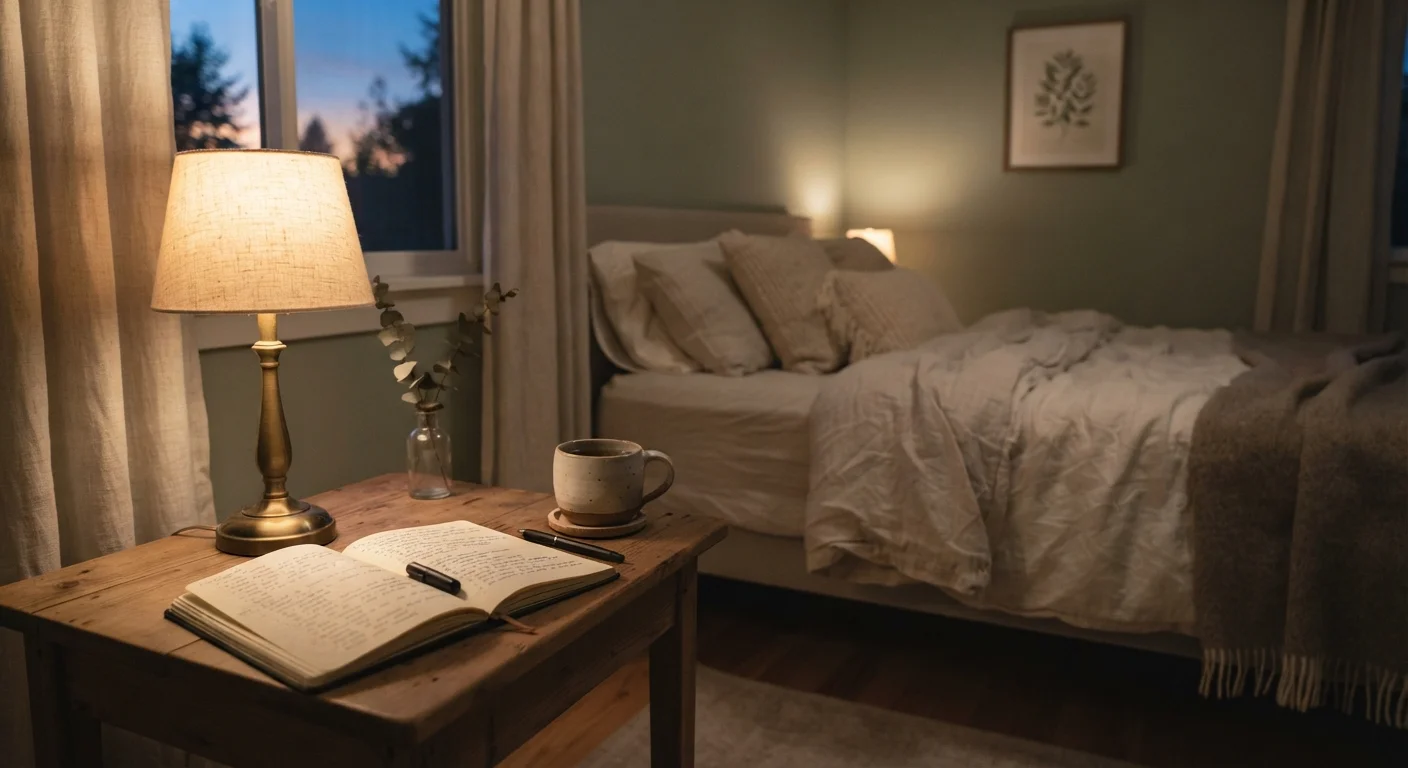
Photo: UltraSearches.com | Search Results You Can Trust editorial
Key Takeaways
- Evening anxiety often stems from an abrupt, unmanaged transition between daily stress and sleep.
- A consistent wind-down routine activates the parasympathetic nervous system, reducing physiological arousal before bed.
- Small, personalized actions - not elaborate rituals - are most likely to stick long-term.
- Screen exposure, unfinished mental tasks, and irregular timing are among the most common routine disruptors.
- If evening anxiety feels overwhelming or persistent, speaking with a healthcare professional is an important step.
Why Evening Anxiety Happens - and What a Routine Actually Does
For many people, evenings don't feel like relief. The moment work stops, the mind accelerates - replaying conversations, cataloguing tomorrow's tasks, or bracing for problems that may never arrive. This pattern is sometimes called the "cognitive hyperarousal" cycle, where a heightened, alert brain resists the physiological downshift needed for sleep.
The nervous system doesn't switch modes automatically. During the day, the sympathetic nervous system - responsible for alertness and stress response - stays active. Transitioning to rest requires deliberate activation of the parasympathetic system. A structured wind-down routine creates the repeated behavioral cues that make that shift happen more reliably over time.
Research in behavioral sleep medicine consistently supports this: predictable pre-sleep behaviors function as conditioned signals, training the brain to associate specific actions with relaxation. The routine doesn't need to be lengthy or rigid - it needs to be consistent and personally meaningful enough to actually repeat. For context on how everyday habits support broader mental well-being, see how small daily habits accumulate into meaningful emotional support.
Consistency Outweighs Perfection
What You'll Need Before You Start
No special equipment is required, but a few simple decisions upfront will make the routine far easier to maintain.
What you will need
It also helps to identify your primary wind-down challenge before you begin. Are you mentally restless, physically tense, or struggling to disengage from digital devices? Your answer should shape which steps you prioritize.
Building Your Wind-Down Routine Step by Step
Follow these steps in sequence when you first build your routine. Once it's established - usually after two to four weeks of consistency - you can adjust the order or timing to fit your life.
Set a Fixed Wind-Down Start Time
Decide on a consistent time - ideally 60 to 90 minutes before you want to be asleep - when your wind-down routine begins. Set a gentle alarm or reminder until it becomes automatic. Consistency in timing reinforces the body's circadian cues far more than any single relaxation technique.
Do a Brief "Brain Dump" to Offload Mental Load
Spend 5-10 minutes writing out anything still occupying your mind: unfinished tasks, worries, or tomorrow's priorities. This externalizes mental chatter onto paper, reducing the brain's need to keep rehearsing it. A simple notebook works; no special journaling format is required.
Reduce and Dim Screen Exposure
At least 30 minutes before bed, shift away from bright screens - phones, tablets, computers, and televisions. Blue-spectrum light suppresses melatonin production, a hormone central to sleep onset. If screens are unavoidable, enable night mode or warm-tone display settings. Replace screen time with a low-stimulation activity: reading print material, gentle stretching, or listening to calm audio.
Incorporate a Calming Breathwork or Relaxation Practice
Choose one simple technique and practice it for 5-10 minutes. Options include slow diaphragmatic breathing (inhaling for 4 counts, exhaling for 6-8 counts), a brief body scan where you consciously release tension from head to toe, or a short guided meditation. The specific method matters less than the consistency of using it as a nightly cue. Understanding the difference between meditation and deep breathing can help you pick the right fit.
Establish One Sensory Anchor to Close the Routine
Choose a simple, repeatable sensory signal that marks the official end of your wind-down: brewing a specific herbal tea, using a particular lotion, dimming all lights to a set level, or playing a consistent playlist. This anchor acts as a conditioned stimulus - over time, it signals the brain that sleep is imminent. Keep it simple enough to do every night without effort.
If you find that anxiety in the evenings feels less like stress and more like a persistent, hard-to-manage pattern, that's worth paying attention to. Our article on recognizing when everyday stress has crossed into something worth addressing can help you assess whether professional support might be useful.
This article is for general informational and educational purposes only and is not a substitute for professional medical or mental health advice. If you are experiencing significant anxiety, sleep disturbances, or emotional distress, please consult a qualified healthcare provider.
The content on this site is for informational purposes only and is not a substitute for professional advice. Always consult a qualified professional for guidance specific to your situation.