
Phone Camera Specs That Actually Affect Your Photos

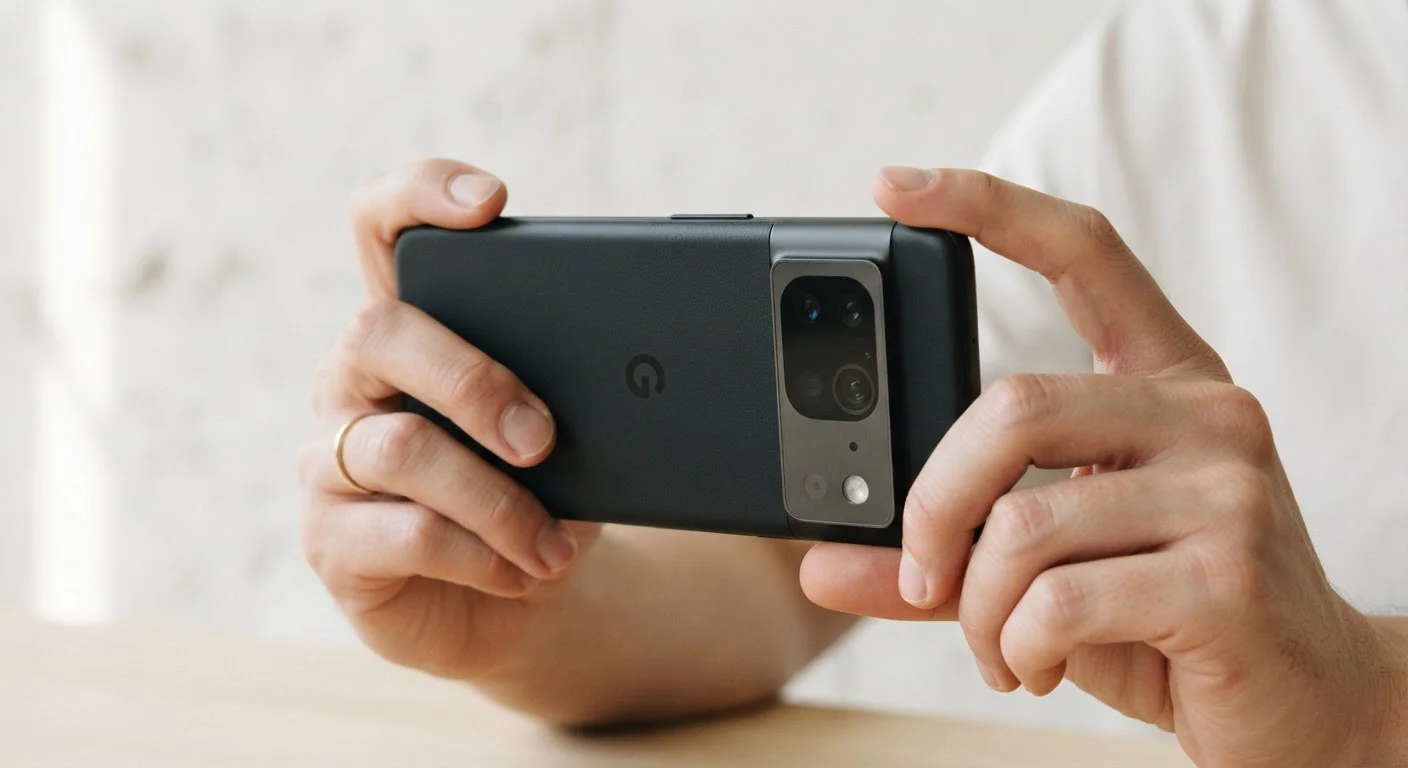
Photo: UltraSearches.com | Search Results You Can Trust editorial
Key Takeaways
- Sensor size has more influence on low-light photo quality than megapixel count alone.
- A wider aperture (lower f-number) lets in more light, which matters most in dim conditions.
- Optical zoom preserves image quality; digital zoom is essentially a software crop.
- Megapixels matter mainly when printing large or cropping heavily - not for everyday sharing.
- Computational photography (software processing) now shapes image output as much as hardware does.
Why Most Spec Sheet Numbers Miss the Point
Walk into any electronics retailer - or browse a manufacturer's product page - and you'll be greeted with a wall of numbers: 200MP, 100x zoom, f/1.4 aperture. The implication is that bigger numbers equal better photos. In practice, the relationship is far more complicated.
Camera systems involve a chain of components working together: the lens, the image sensor, the image signal processor, and the software that interprets raw data into a finished image. Improving one link while neglecting others often yields little visible benefit. That's why comparing phones on a single spec rarely tells the full story.
For a broader look at which technology figures are often overhyped, see our guide to electronics specs that rarely matter.
1/1.28"
Largest common smartphone sensor size
Sensor sizes in flagship phones have grown significantly over the past decade, according to published hardware specifications from major manufacturers.
f/1.4-f/1.8
Typical wide aperture range in flagship phones
Most premium smartphone main cameras fall within this aperture range, based on published spec sheets from leading device manufacturers.
3x-10x
Optical zoom range in multi-lens phones
Periscope telephoto lenses in current flagship devices typically offer between 3x and 10x true optical zoom, per manufacturer specifications.
Sensor Size: The Spec That Drives Low-Light Performance
If you only understand one camera spec, make it sensor size. The image sensor is the component that actually captures light, and its physical dimensions directly affect how much light it can gather. Larger sensors tend to produce images with less noise, better dynamic range (the ability to capture both shadows and highlights), and more natural-looking background blur.
Sensor sizes on smartphones are typically expressed as a fraction of an inch - for example, 1/1.28" or 1/2.55". Counterintuitively, a smaller denominator means a larger sensor. Manufacturers don't always promote this figure prominently, so it's worth seeking out in full spec sheets rather than relying on marketing summaries.
Look for Sensor Size in Full Spec Sheets
Aperture and What f-Numbers Actually Mean
Aperture describes how wide the lens opening is when a photo is taken, and it's written as an f-number - like f/1.8 or f/2.4. The key thing to remember: a lower f-number means a wider aperture, which allows more light to reach the sensor. This matters most in dim environments - indoors, at night, or in shade - where the difference between f/1.8 and f/2.8 can mean the difference between a sharp, usable image and a blurry, noisy one.
Aperture also affects depth of field - how much of the scene appears in sharp focus. Wide apertures (low f-numbers) create shallower depth of field, contributing to the blurred-background effect popular in portrait photography. Many phones simulate this effect through software, which is worth distinguishing from optically produced blur.
Zoom: Optical vs. Digital - and Why It Matters
Zoom is one of the most commonly misrepresented specs in phone camera marketing. There are two fundamentally different types:
- Optical zoom uses a physical telephoto lens (or periscope lens in thinner phones) to magnify a scene. The sensor captures more detail at range, so image quality is preserved.
- Digital zoom is a software operation - the camera crops into the existing image and enlarges it. No additional detail is captured; the result is a lower-resolution image that appears enlarged.
High zoom figures - "100x Space Zoom" and similar - almost always combine a modest amount of optical zoom with a large amount of digital zoom. The optical component is the meaningful part. When comparing zoom capabilities, look for the optical zoom range specifically.
“In smartphone cameras, the gap between optical and digital zoom is not subtle - optical zoom captures real detail, while digital zoom mostly reveals the limits of the sensor's resolution.”
— Consumer Electronics Research Consensus, Widely held position among independent imaging technology analysts
Megapixels: Useful, but Not the Headline
Megapixel count determines the resolution of an image - how many individual pixels it contains. Higher resolution is genuinely useful when you plan to print photos at large sizes or want to crop in significantly while retaining detail. For everyday sharing - social media, messaging, screen viewing - the differences between 12MP and 50MP are largely invisible.
There's also a trade-off: cramming more pixels onto a fixed-size sensor means each pixel is physically smaller. Smaller pixels capture less light individually, which can hurt low-light performance. Some manufacturers address this through pixel-binning, a technique that merges adjacent pixels to simulate larger light-gathering area - but this effectively reduces the final image resolution anyway.
The practical takeaway: megapixel count is one useful data point, but it should be weighed alongside sensor size and aperture rather than treated as a quality indicator on its own.
Computational Photography Changes the Equation
Frequently Asked Questions
The content on this site is for informational purposes only and is not a substitute for professional advice. Always consult a qualified professional for guidance specific to your situation.