
Coverage Gaps Homeowners Routinely Discover Too Late

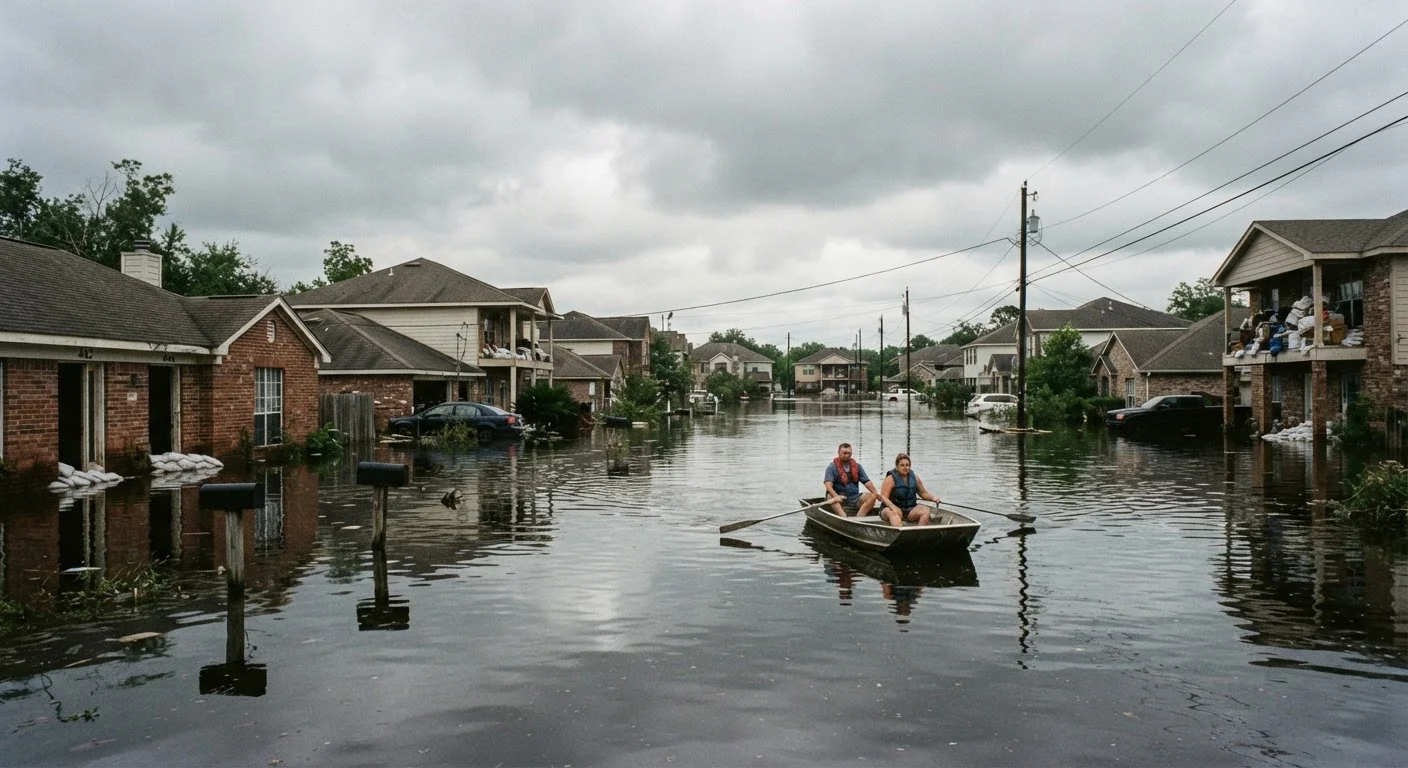
Photo: UltraSearches.com | Search Results You Can Trust editorial
Key Takeaways
- Standard HO-3 policies exclude flood, earthquake, and sewer backup damage by default.
- Running a business from home can void liability and property coverage under a personal policy.
- Replacement cost and actual cash value are not the same - the difference can be tens of thousands of dollars.
- Most coverage gaps are fixable through endorsements or separate policies before a loss occurs.
Why Homeowners Discover Gaps at the Worst Possible Moment
A homeowners insurance policy looks comprehensive on the surface - it covers your dwelling, your belongings, and your liability. What most policyholders don't realize until they file a claim is how many significant loss scenarios fall entirely outside a standard HO-3 policy. Understanding those exclusions before something goes wrong is the only way to protect yourself from an expensive surprise.
This article is general educational information, not personalized insurance or legal advice. Coverage terms vary by insurer and state - always review your actual policy documents and consult a licensed insurance professional for guidance specific to your situation.
To understand how your policy is structured before examining what it excludes, see the parts of a homeowners policy most people never read.
Assuming flood damage is covered under a standard homeowners policy.
Overlooking earthquake exclusions, especially outside high-seismic regions.
Ignoring sewer and drain backup as a separate, excluded peril.
Confusing actual cash value with replacement cost coverage.
Underinsuring the dwelling by not accounting for rebuilding costs.
Leaving high-value personal property unscheduled.
How to Identify and Close Your Own Coverage Gaps
Once you know where standard policies fall short, the path forward is straightforward, though it does require deliberate action. Start by pulling out your declarations page and reading the exclusions section of your current policy. Insurers are required to list excluded perils clearly, and many will provide a plain-language summary on request.
~40%
Flood losses affecting low-to-moderate risk zones
According to FEMA, roughly 40% of National Flood Insurance Program claims come from properties outside high-risk flood zones, illustrating that flood risk is broader than most homeowners assume.
2 in 3
Underinsured homeowners at time of claim
Industry research has consistently found that a majority of homeowners carry dwelling coverage below their home's actual rebuild cost, leaving a significant gap after a total or major loss.
From there, ask your insurer or a licensed agent which endorsements - add-ons that modify your existing policy - are available. Common options include water backup coverage, scheduled personal property riders for high-value items, and home business endorsements. For perils like flood or earthquake, you'll typically need a separate policy rather than an endorsement.
Life changes often create new gaps. A major renovation, a new home-based side business, or acquiring expensive equipment can all render existing coverage inadequate. Reviewing your coverage after a major life change is a practical habit, not just a precaution.
If you ever need to act on your coverage, the steps you take immediately after a loss matter enormously. Filing a home insurance claim without undermining it walks through what to document and report. And if unfamiliar terms in your policy are slowing you down, a plain-language glossary of key insurance terms can help you decode the language before you need to rely on it.
This article provides general information about homeowners insurance concepts only. It is not legal, financial, or insurance advice. Coverage details, exclusions, and endorsement availability vary by provider, policy, and state. Consult a licensed insurance professional and review your actual policy documents before making any coverage decisions.
The content on this site is for informational purposes only and is not a substitute for professional advice. Always consult a qualified professional for guidance specific to your situation.