
Open Enrollment Is Not Your Only Chance to Get Covered

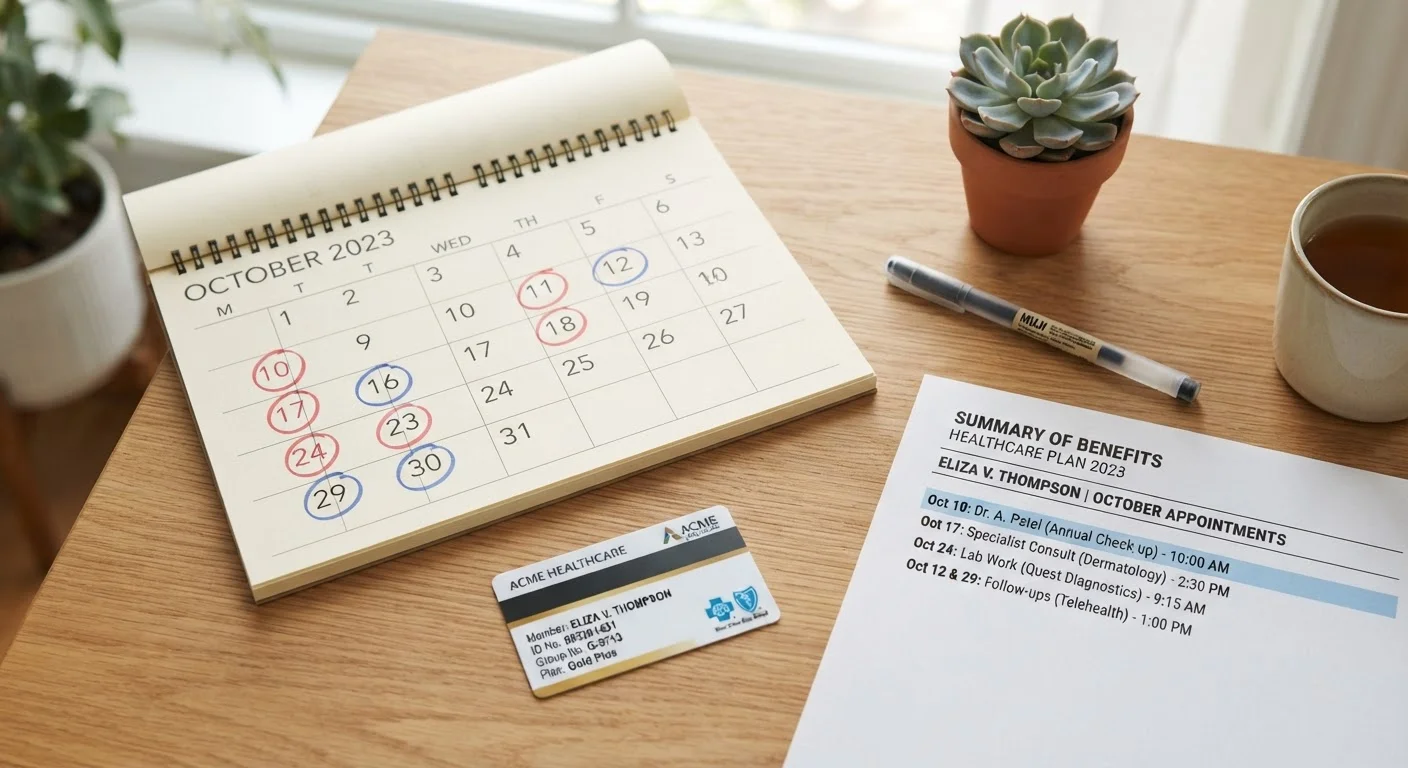
Photo: UltraSearches.com | Search Results You Can Trust editorial
Key Takeaways
- Open enrollment is not your only window to enroll in or change health coverage.
- Qualifying life events trigger a Special Enrollment Period, usually lasting 60 days.
- Common triggers include losing job-based coverage, marriage, divorce, birth, and moving.
- Missing your SEP window could leave you uninsured until the next open enrollment season.
- Medicaid and CHIP enrollment is available year-round if you meet eligibility requirements.
- Documentation of your qualifying event is typically required when applying through an SEP.
Why Open Enrollment Gets All the Attention
Every fall, consumers are reminded to review and select health insurance plans during open enrollment - the designated window when anyone can enroll in or switch coverage on the Health Insurance Marketplace or through an employer. This annual drumbeat is useful, but it creates a common misconception: that if you miss open enrollment, you're simply out of luck until next year.
That's not accurate. The U.S. health insurance system includes a built-in mechanism called a Special Enrollment Period (SEP) that allows people to get covered outside the standard window when certain life circumstances change. Understanding how SEPs work - and when they apply - is one of the most practical things a consumer can know about health insurance.
If you want a step-by-step guide to comparing plans during the standard window, see choosing a health plan during open enrollment.
What Triggers a Special Enrollment Period
SEPs are activated by qualifying life events - specific changes in your life circumstances that affect your insurance needs or eligibility. The most common triggers include:
- Loss of existing coverage: Losing job-based health insurance, aging off a parent's plan at 26, or losing Medicaid eligibility all qualify.
- Changes in household: Getting married, having a baby, adopting a child, or going through a divorce or legal separation.
- Changes in residence: Moving to a new ZIP code or county that changes your plan options, or moving to the U.S. from abroad.
- Income or eligibility changes: Gaining or losing eligibility for Medicaid, CHIP, or premium tax credits can also open an SEP.
Voluntary actions - like simply deciding you want different coverage - do not trigger an SEP. The event must be an involuntary or significant life change recognized by federal or state guidelines.
Act Within the First Two Weeks
After any qualifying event, it's also worth reviewing your broader insurance picture. See our article on reviewing your insurance coverage after a major life change for a structured approach.
The 60-Day Window and Why Timing Matters
For most qualifying events, your SEP window opens on the date of the event and lasts 60 days. In some cases - particularly for loss of coverage - you may also have a short window before the event occurs. However, 60 days can pass quickly, especially during stressful life moments like a job loss or a new baby.
60 days
Typical SEP window after a qualifying life event
Federal Marketplace rules set a 60-day enrollment window following most qualifying life events, though some state-based Marketplaces may differ.
Year-round
Medicaid and CHIP enrollment availability
Unlike private insurance plans, Medicaid and CHIP accept applications at any point during the year from eligible individuals and families.
Missing this window has real consequences. If your SEP closes without you enrolling, you generally cannot get Marketplace or employer-sponsored coverage until the next open enrollment period - which could be months away. During that gap, a single medical event could result in significant out-of-pocket costs.
When you're ready to apply through an SEP, be prepared to provide documentation proving the qualifying event. The Marketplace or insurer will specify what's needed, but examples include termination letters, marriage certificates, or birth records. Gathering these proactively saves time.
Once enrolled through an SEP, use this checklist before switching health plans to verify your new coverage meets your needs.
Year-Round Coverage Options: Medicaid and CHIP
For households that meet income eligibility thresholds, Medicaid and the Children's Health Insurance Program (CHIP) accept applications at any time of year - no qualifying event required. This makes them a critical safety net for people who lose coverage unexpectedly or who have never been insured.
Eligibility is primarily based on household income relative to the federal poverty level, though rules vary by state. Some states have expanded Medicaid under the Affordable Care Act (ACA), while others have not, meaning eligibility criteria differ significantly depending on where you live.
If your income or household composition changes at any point - not just during open enrollment - it is worth checking your Medicaid eligibility through your state agency or the federal Marketplace at healthcare.gov.
This article is for general informational and educational purposes only and does not constitute personalized insurance, financial, or legal advice. Coverage terms, qualifying events, and enrollment windows vary by plan, provider, and state. Always read your actual policy documents and consult a licensed insurance agent, navigator, or adviser for guidance specific to your situation.
Frequently Asked Questions
The content on this site is for informational purposes only and is not a substitute for professional advice. Always consult a qualified professional for guidance specific to your situation.