
Reading an Explanation of Benefits Without Getting Lost

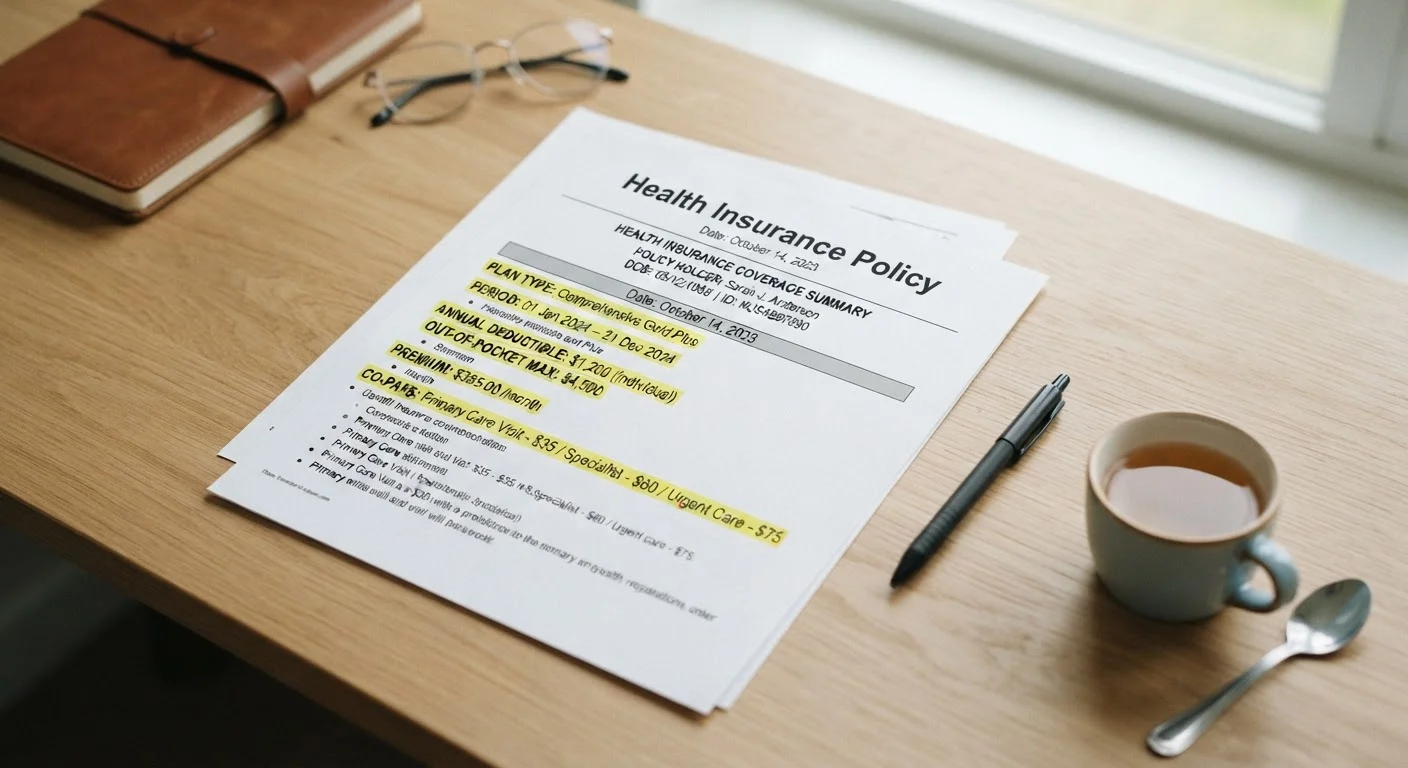
Photo: UltraSearches.com | Search Results You Can Trust editorial
Key Takeaways
- An Explanation of Benefits (EOB) is a summary from your insurer, not a bill from your provider.
- Each EOB section tells you what was billed, what insurance covered, and what you may owe.
- Errors on EOBs do occur - reviewing yours carefully can protect you from overpaying.
- You have the right to appeal a denied or reduced claim shown on your EOB.
- Always match your EOB to the actual provider bill before paying anything.
What an EOB Actually Is - and Isn't
An Explanation of Benefits (EOB) is a document your health insurer sends after processing a medical claim on your behalf. It summarizes how the claim was handled: what the provider billed, what your insurer allowed, what the plan paid, and what portion - if any - falls to you. Think of it as a receipt from your insurance company, not a payment request from your doctor.
This distinction matters. Many people receive an EOB and either panic thinking they owe a large sum, or ignore it entirely. Both responses can lead to problems. Reviewing your EOB carefully is one of the most effective ways to catch billing errors, confirm your coverage was applied correctly, and understand your actual cost-sharing responsibility. For a broader foundation on how cost-sharing works, see our guide to health insurance terms explained in plain English.
An EOB Is Not a Bill
EOBs also serve as a paper trail if you ever need to dispute a claim, verify that a provider billed your insurer correctly, or appeal a coverage denial. Learning to read them is a practical skill that pays off every time you use your insurance. To learn about other dense financial documents, see how a similar approach applies when reading a life insurance policy.
Tools and What You'll Need
Before working through your EOB, gather a few items to make the process straightforward.
What you will need
Insurer's Member Portal
Access digital EOBs, track claim status, and view explanation codes online.
Provider Bill or Invoice
Cross-reference billed amounts against what your EOB shows the insurer received.
Summary of Benefits and Coverage (SBC)
Confirms your plan's deductible, copay, and coinsurance rules to verify EOB math.
Highlighter or Digital Annotation Tool
Mark key figures - billed amount, allowed amount, and patient responsibility - for easy comparison.
Having both your EOB and provider bill in front of you at the same time is especially important. Discrepancies between the two are more common than most people realize, and catching them early saves time and money. If you're newer to using health coverage, our guide on starting your first health insurance plan covers the core concepts you'll want in place first.
Step-by-Step: Reading Your EOB
Follow these steps each time you receive an EOB. The layout may vary slightly between insurers, but the core sections are consistent across most plans.
Confirm the basic claim details
Check the top section of the EOB first. Verify that your name, member ID, date of service, and provider name are all correct. A mismatch here - such as a service date you don't recognize - can signal a billing error or, in rare cases, fraudulent use of your coverage.
Locate the 'Amount Billed' column
The Amount Billed (sometimes called the submitted charge) is what your provider originally charged for the service. This number is almost always higher than what insurance actually pays. It is the starting point of the calculation - not the amount you owe.
Find the 'Allowed Amount' or 'Negotiated Rate'
Insurers negotiate discounted rates with in-network providers. The Allowed Amount is the maximum your insurer will recognize for that service. The difference between the billed amount and the allowed amount is the provider write-off - a discount your in-network provider agreed to accept. You are generally not responsible for this difference when using in-network care.
Identify what your plan paid
The Plan Paid column shows the dollar amount your insurer is paying directly to the provider. This reflects any cost-sharing rules - deductible, coinsurance, or copay - already applied. If your deductible hasn't been met yet, this number may be $0 for some services.
Read the 'Patient Responsibility' section carefully
This is the figure that matters most for your wallet. Patient Responsibility is what you are expected to owe the provider after insurance has paid its share. It may include any combination of your deductible, a copay, or coinsurance (your percentage share of the allowed amount). Add these line items up and compare the total to the bill your provider sends you.
Review denial or adjustment codes
Every EOB includes a legend of remark codes or reason codes - usually a number or letter combination that explains why a claim was reduced or denied. Common codes indicate things like: service not covered under your plan, missing prior authorization, or a duplicate claim. Look up any unfamiliar codes in the legend printed on the EOB or in your insurer's online portal.
File the EOB and track your deductible progress
Keep each EOB - either digitally or in a folder - until you have confirmed the provider's bill matches and payment is settled. EOBs also show your year-to-date deductible and out-of-pocket maximum progress, which helps you anticipate costs for the rest of your plan year. Tracking this is a smart part of managing your savings and financial health overall.
Go Paperless for Faster Access
Don't Ignore Denial Codes
Reviewing EOBs carefully also reduces the risk of the costly misunderstandings described in our companion piece on common health insurance mistakes.
This article provides general educational information about health insurance documents and is not personalized financial, insurance, or legal advice. Coverage terms, processes, and regulations vary by plan and state. Always consult your plan documents and a licensed insurance professional for guidance specific to your situation.
The content on this site is for informational purposes only and is not a substitute for professional advice. Always consult a qualified professional for guidance specific to your situation.