
Term vs. Whole Life Insurance: Breaking Down the Core Differences

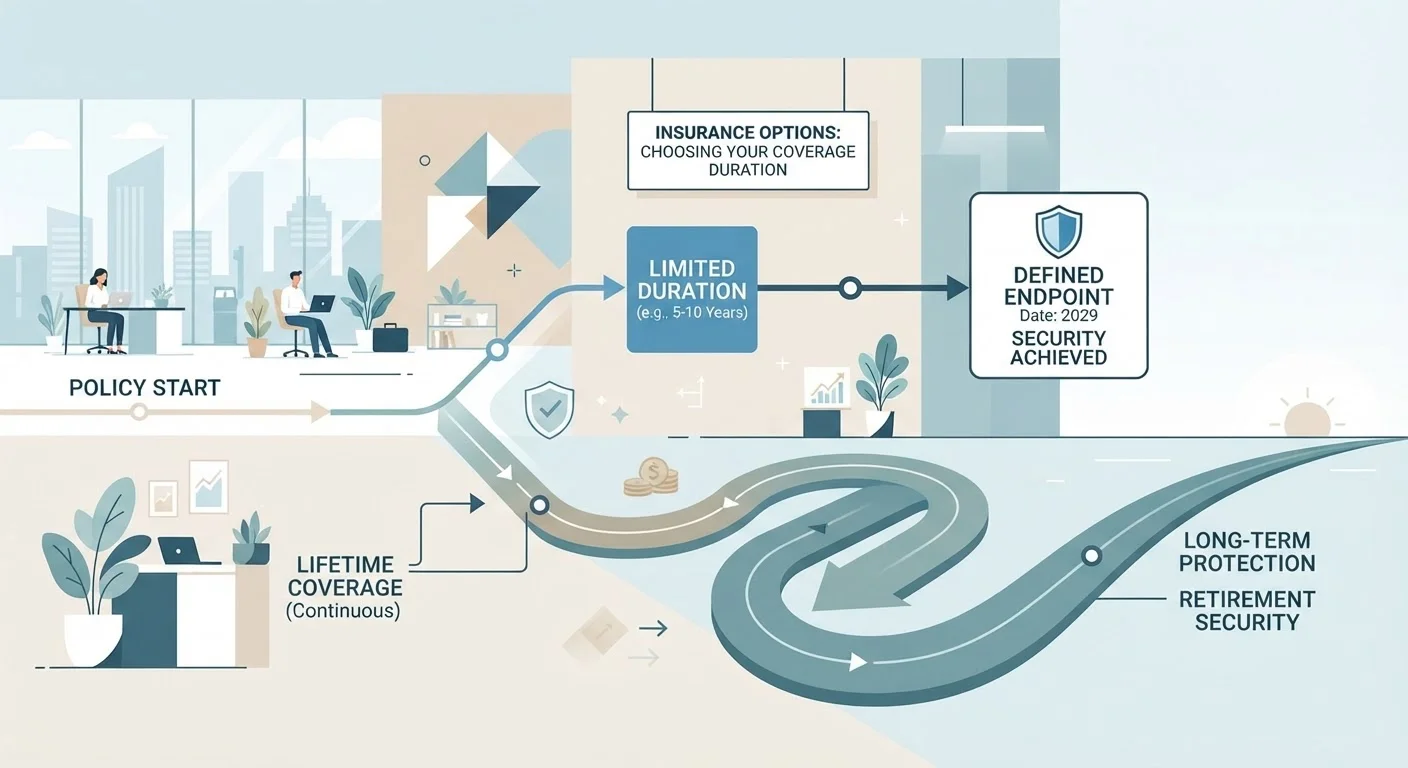
Photo: UltraSearches.com | Search Results You Can Trust editorial
Key Takeaways
- Term life covers a set period; whole life covers you for your entire lifetime as long as premiums are paid.
- Whole life premiums are substantially higher than term premiums for the same death benefit amount.
- Whole life builds cash value over time; term life does not accumulate any savings component.
- Term life is simpler to understand and generally more affordable for income-replacement needs.
- Neither policy type is universally superior - the right fit depends on your financial goals and timeline.
- Always review actual policy documents and consult a licensed insurance professional before purchasing.
How Each Policy Is Structured
Before comparing the two, it helps to understand what makes each policy type work the way it does. For a broader foundation on life insurance generally, see our Life Insurance 101 guide.
Term life insurance provides a death benefit - the lump sum paid to your beneficiaries - for a defined period, commonly 10, 20, or 30 years. If you die within the term, your named beneficiaries receive the payout. If the term expires while you are still living, coverage ends and no benefit is paid. Many term policies offer the option to renew or convert to a permanent policy, though terms vary by insurer.
Whole life insurance is a form of permanent life insurance. It does not have an expiration date; coverage remains active for your entire life as long as premiums continue to be paid. Beyond the death benefit, whole life policies include a cash value component - a savings-like account that grows at a guaranteed rate set by the insurer. Over time, policyholders can borrow against or withdraw from this cash value, though doing so reduces the death benefit if not repaid.
For a deeper look at how whole life compares to other permanent options, the guide to permanent life insurance types covers universal and variable policies as well.
| Criterion | Term Life | Whole Life |
|---|---|---|
| Coverage duration | Fixed term (e.g., 10-30 years) | Lifetime (permanent) |
| Premium cost | Lower for same benefit amount | Significantly higher |
| Cash value | None | Yes, grows tax-deferred |
| Death benefit payout | Only if death occurs within term | Guaranteed whenever death occurs |
| Policy complexity | Simpler structure | More complex; more moving parts |
| Borrowing against policy | Not available | Available against cash value |
| Typical use case | Income replacement, debt coverage | Estate planning, lifelong coverage |
Cost, Cash Value, and What You Actually Own
Premium cost is one of the most significant practical differences between these two policy types. For a comparable death benefit, whole life premiums are typically several times higher than term premiums - often five to fifteen times more, depending on age and health at the time of application. This gap exists because whole life premiums must fund both the death benefit and the cash value account, and because the insurer is guaranteeing a payout at some point with certainty.
5-15x
Typical whole life premium multiple vs. term
Industry educators broadly estimate whole life premiums run several times higher than term premiums for the same death benefit, varying by age and health.
~80%
Share of individual life policies that are term
According to LIMRA industry data, term life consistently accounts for the large majority of individual life insurance policies sold by count in the United States.
Term life, by contrast, is priced around the statistical probability of dying within the policy period. For a healthy person in their 30s, this probability is relatively low, which keeps premiums affordable.
The cash value in a whole life policy grows tax-deferred, meaning you do not pay income tax on the growth each year. However, it typically takes many years - sometimes a decade or more - before the cash value becomes meaningful relative to premiums paid. Financial professionals often note that the rate of return on cash value accumulation may be modest compared to other savings vehicles. This is general educational context, not financial advice; a licensed adviser can help you evaluate what makes sense for your situation.
It is also worth understanding how beneficiary designations interact with policy structure. Whether you hold a term or whole life policy, naming a beneficiary correctly is more nuanced than it may appear and deserves careful attention.
Which Situations Each Policy Tends to Serve
Neither policy type is objectively better - suitability depends on your financial circumstances, the length of time you need coverage, and your broader goals.
Term life is commonly used to:
- Replace lost income if a primary earner dies while dependents are still at home
- Cover a specific debt with a defined payoff timeline, such as a 30-year mortgage
- Provide affordable protection during years when budgets are tighter
Whole life is more commonly considered when:
- A guaranteed death benefit is desired regardless of when death occurs
- Estate planning goals include leaving a predictable, tax-efficient inheritance
- An individual has maxed out other tax-advantaged savings vehicles and wants additional options
Convertibility: A Middle-Ground Option
Before committing to either type, reviewing actual policy language is essential. Our walkthrough on how to read a life insurance policy explains key sections, exclusions, and terms to look for before signing anything.
This article is for general informational purposes only and does not constitute personalized financial, insurance, or legal advice. Coverage terms, eligibility, premiums, and exclusions vary by insurer and individual circumstances. Consult a licensed insurance professional before making coverage decisions.
The content on this site is for informational purposes only and is not a substitute for professional advice. Always consult a qualified professional for guidance specific to your situation.