
Building Credit From Scratch: A Starting Point for New Borrowers

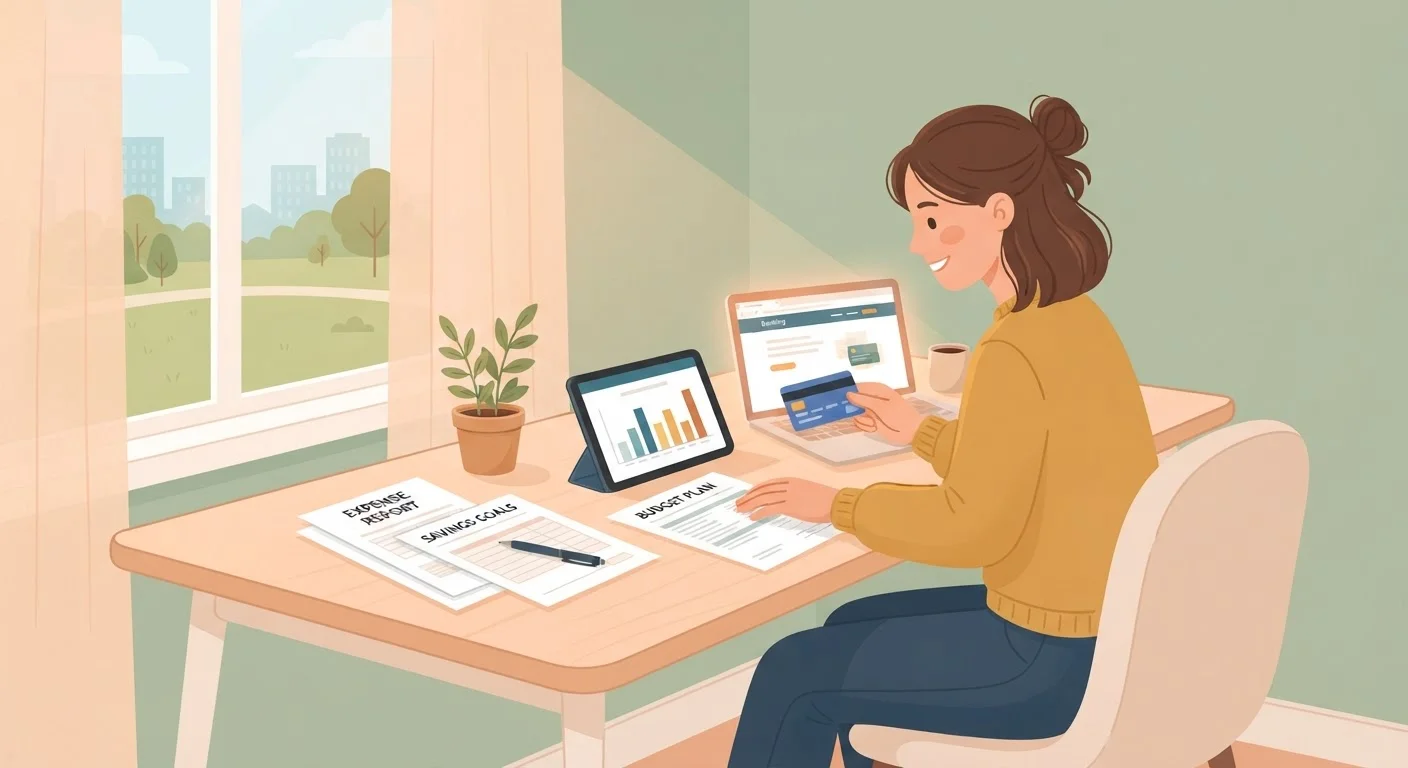
Photo: UltraSearches.com | Search Results You Can Trust editorial
Key Takeaways
- Without a credit history, lenders have no basis to judge your reliability - which can block access to loans, rentals, and some jobs.
- Payment history is the single largest factor in most credit scoring models, making on-time payments the top priority.
- Secured credit cards and credit-builder loans are two common entry points for people with no existing credit file.
- Keeping credit utilization below 30% of your available limit is a widely recommended guideline for score health.
- Monitoring your credit report regularly helps catch errors early - every American is entitled to free reports through AnnualCreditReport.com.
Why Credit History Matters
A credit history is essentially a financial track record. Lenders, landlords, and sometimes employers use it to gauge how reliably you manage financial obligations. Without one, you are not seen as a bad borrower - you are simply an unknown quantity, which can be nearly as limiting.
The practical consequences are real: no credit history can make it harder to rent an apartment, qualify for a car loan, or access lower interest rates when you eventually need to borrow. Starting to build that record early - even before you need it - puts you in a stronger position for those moments. If you are also working on the foundations of your financial life, pairing credit-building with a solid spending plan helps. See our beginner's budget guide for a practical starting point.
Credit file
The full record of your credit history held by a credit bureau, including accounts, payment history, and public records. It is the source data used to calculate your credit score.
Credit utilization ratio
The percentage of your available credit that you are currently using. For example, a $300 balance on a $1,000 limit card equals 30% utilization.
Hard inquiry
A credit check triggered when a lender reviews your file as part of an application for new credit. Multiple hard inquiries in a short period can slightly lower your score.
Secured credit card
A credit card backed by a cash deposit you provide upfront. It works like a regular card for purchases and reporting, but the deposit protects the issuer if you do not pay.
Credit-builder loan
A small loan where the borrowed funds are held in an account while you make monthly payments. The goal is establishing a payment history, not immediate access to cash.
Authorized user
Someone added to another person's credit card account who can use the card but is not legally responsible for the debt. The account's history may appear on the authorized user's credit file.
How Credit Scores Are Calculated
Credit scores are numerical summaries of your credit file, typically ranging from 300 to 850. Several scoring models exist, but most weight similar factors. The FICO score framework - one of the most widely used - breaks down roughly as follows:
- Payment history (~35%): Whether you pay on time, every time.
- Amounts owed (~30%): How much of your available credit you are using, known as your credit utilization ratio.
- Length of credit history (~15%): How long your accounts have been open.
- Credit mix (~10%): The variety of account types - cards, loans, etc.
- New credit (~10%): Recent applications and new accounts.
For someone starting from zero, the two factors to focus on first are payment history and utilization - since those carry the most weight and are most directly within your control from day one.
Focus on Payment History First
Tools for Building Credit From Zero
Several financial products are specifically designed - or well-suited - for people with thin or no credit files:
- Secured credit cards
- You deposit cash as collateral, which typically becomes your credit limit. Using the card for small purchases and paying the full balance monthly demonstrates responsible behavior that gets reported to the credit bureaus.
- Credit-builder loans
- Offered by some credit unions and community banks, these loans hold the borrowed amount in a savings account while you make monthly payments. Once the loan is paid off, you receive the funds - and a payment history on your credit file.
- Authorized user status
- A family member or trusted person can add you to their existing credit card account. Their account history may then appear on your file, though outcomes vary by scoring model.
- Student credit cards
- Some issuers offer cards tailored to college students with limited credit histories. These typically come with lower limits and may have higher rates - pay in full monthly to avoid interest.
Before choosing any product, compare terms carefully. Fees and interest rates vary significantly, and the goal at this stage is to build a record - not to carry a balance.
Watch Out for High-Fee Products
Habits That Help (and Hurt) Your Credit
The mechanics of credit building come down to consistent, repeatable behavior. A few habits make a significant difference:
- Pay every bill on time. Even one missed payment can remain on your credit report for up to seven years. Set up autopay for at least the minimum due as a safety net.
- Keep utilization low. Aim to use no more than 30% of your available credit at any time - lower is generally better. If your secured card has a $500 limit, try not to carry more than $150 as a balance when your statement closes.
- Avoid opening many accounts at once. Each application can generate a hard inquiry; clustering applications in a short period can signal financial stress to scoring models.
- Keep older accounts open. Closing an account shortens your average account age and reduces available credit - both of which can pull your score down.
On the flip side, the most common credit mistakes for beginners include missing payments, maxing out cards, and applying for credit reactively without preparation. Our pre-application checklist can help you evaluate your readiness before submitting any application.
What to Do Next
Once you have opened your first account and made a few on-time payments, the next step is to start monitoring your progress. Every U.S. consumer is entitled to free credit reports from Equifax, Experian, and TransUnion through AnnualCreditReport.com - the federally authorized source. Reviewing your reports lets you confirm accounts are reporting correctly and spot any errors that could unfairly drag your score down.
Understanding what is actually in your report is a skill in itself. Our guide to reading your credit report breaks down each major section so you know exactly what you are looking at.
Building credit is a slow process - typical credit-building timelines are measured in months and years, not days. But the fundamentals are not complicated: use credit modestly, pay on time, and let time do its work. For more everyday money strategies, the Everyday Money Tips hub is a useful resource as your financial picture grows.
This article is for general informational purposes only and does not constitute personalized financial or legal advice. Credit scoring models and lender requirements vary. Consult a qualified financial professional for guidance tailored to your situation.
AnnualCreditReport.com
The federally authorized source for free credit reports from all three major bureaus - Equifax, Experian, and TransUnion. Useful for monitoring what lenders see on your file.
Consumer Financial Protection Bureau (CFPB) - Credit Basics
The CFPB publishes plain-language guides on credit scores, credit reports, and consumer rights. A reliable, government-backed resource for anyone new to credit.
Frequently Asked Questions
The content on this site is for informational purposes only and is not a substitute for professional advice. Always consult a qualified professional for guidance specific to your situation.