
A Complete Picture of Responsible Pet Ownership Across an Animal's Lifetime

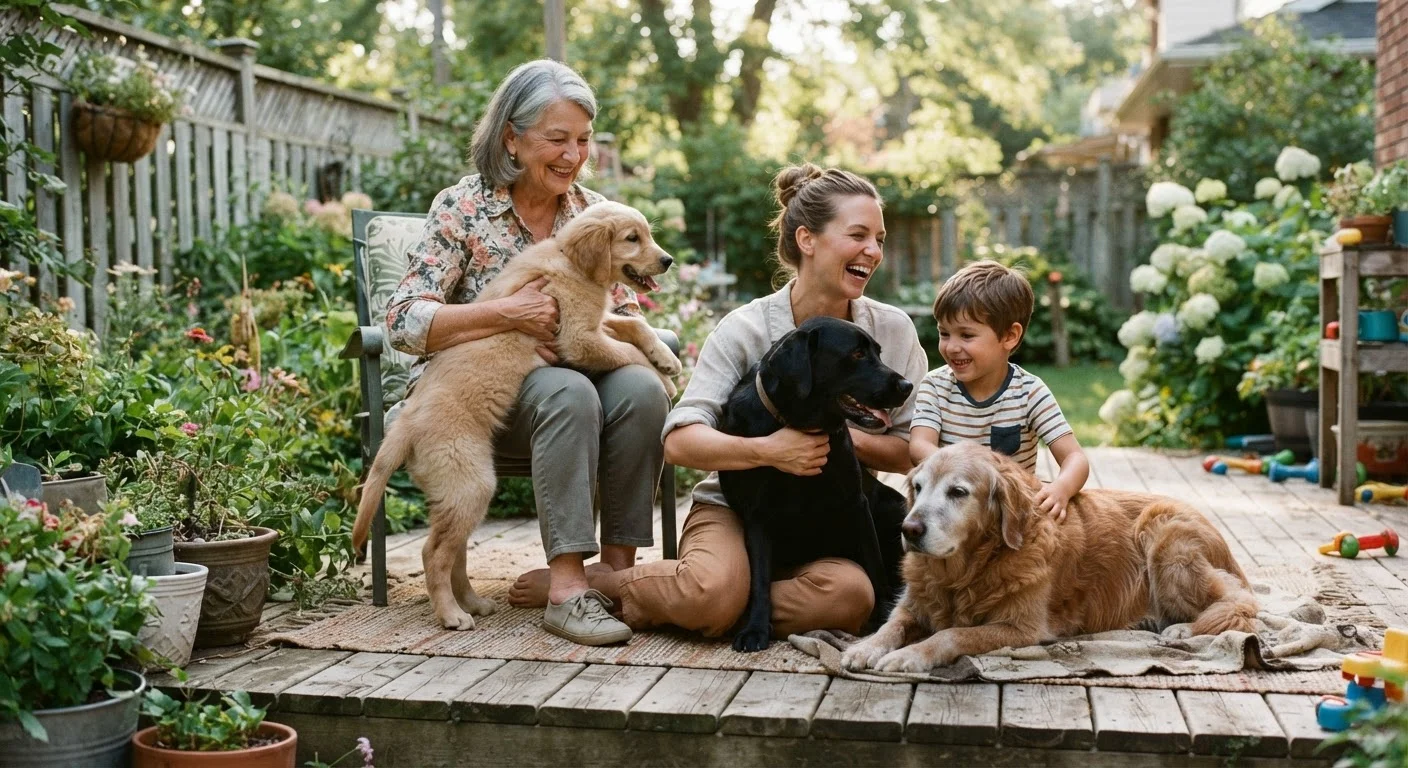
Photo: UltraSearches.com | Search Results You Can Trust editorial
Key Takeaways
- Responsible ownership begins before adoption - with honest self-assessment of your lifestyle and resources.
- Early veterinary care, socialization, and training shape an animal's health and behavior for life.
- Adult pets still need regular vet checkups, mental stimulation, and consistent preventive care.
- Senior animals require adjusted nutrition, more frequent health monitoring, and mobility support.
- End-of-life planning is a core ethical duty, not an afterthought, for every pet owner.
Before You Bring an Animal Home
Responsible pet ownership starts well before an animal crosses your threshold. The most important questions to ask are honest ones: Does your housing allow a pet? Can your schedule accommodate daily care needs? Do you have the financial means to cover food, veterinary visits, grooming, and unexpected medical costs over a 10- to 20-year lifespan?
Choosing the right species and breed for your lifestyle matters enormously. A high-energy working breed in a small apartment without an active owner is a recipe for behavioral problems - not a reflection of a "bad dog." Research the typical temperament, exercise requirements, and health predispositions of any animal you're considering. Consulting a veterinarian before adoption, not just after, is a step many owners skip but few regret.
The Pet Care Basics hub is a strong starting point for understanding what daily life with a pet actually entails before you commit.
Financial Preparedness Is Part of Ethical Ownership
The Early Months: Building a Foundation
The first weeks with a new pet set the tone for everything that follows. For puppies and kittens, this period is biologically critical for socialization - exposure to a variety of people, sounds, and environments in a safe and positive way shapes how they'll respond to the world as adults.
Core early responsibilities include:
- Veterinary baseline exam: Confirm the animal is healthy, establish a vaccination schedule, and discuss spay or neuter timing.
- Parasite prevention: Fleas, ticks, heartworm, and intestinal parasites are health risks to both pets and people. Your vet will recommend an appropriate prevention protocol.
- Training: Consistent, reward-based training is not optional - it is a welfare and safety issue. Animals that understand boundaries are safer, less stressed, and easier to care for throughout life.
- Microchipping and ID: A microchip paired with current registration gives a lost pet the best chance of returning home.
Start handling your pet's paws, ears, and mouth from the very first week - even if they don't need grooming yet. Animals that are comfortable being touched are far easier to examine at the vet and to treat at home.
When in doubt about a behavioral issue in the early months, consult a certified professional trainer or veterinary behaviorist rather than searching for quick fixes online. Early intervention prevents small problems from becoming entrenched habits.
Visit the Pet Health hub for in-depth guidance on vaccines, preventive care schedules, and early health monitoring.
Adult Years: Sustaining Health and Wellbeing
Many owners relax their vigilance once a pet reaches adulthood - and that's when subtle health changes can go unnoticed for too long. Annual wellness exams remain important even for seemingly healthy adult animals; many conditions are far easier to manage when caught early.
~67%
U.S. households that own a pet
According to the American Pet Products Association's National Pet Owners Survey, approximately two-thirds of American households include at least one pet.
1 in 3
Pets that go missing in their lifetime
The American Humane Association has estimated that roughly one in three pets will become lost at some point, underscoring the importance of ID and microchipping.
Beyond physical health, adult pets need mental and social engagement. Dogs require daily exercise appropriate to their breed and size. Cats benefit from environmental enrichment - climbing structures, puzzle feeders, and play that mimics hunting behavior. Boredom and inactivity contribute to anxiety, destructive behavior, and even physical health problems.
Social responsibility also comes into focus during the adult years. Keeping pets leashed or contained where required, respecting neighbors, and ensuring your animal doesn't pose a risk to other people or animals are duties that extend beyond your household. Explore the ethical dimensions of pet ownership that most owners eventually face.
Senior Care and Changing Needs
Most dogs and cats enter their senior years somewhere between ages 7 and 10, though this varies by species, breed, and size. Larger dog breeds tend to age faster than smaller ones. The transition to senior status doesn't happen overnight, but the care adjustments it requires are real.
Common shifts in senior care include more frequent veterinary visits (often twice yearly rather than annually), dietary changes to support kidney, joint, or cardiac health, and close attention to signs of pain or cognitive decline. Arthritis, dental disease, and organ changes are common - and manageable when identified early.
Our article on how aging changes your pet's health needs walks through what to watch for and when to seek veterinary guidance.
Schedule Twice-Yearly Vet Visits for Senior Pets
End-of-Life Decisions and Ethical Responsibilities
Arguably the most profound responsibility a pet owner faces is navigating the end of an animal's life. Quality-of-life assessment - evaluating whether an animal is experiencing more comfort than suffering - is a framework many veterinarians use to guide these conversations. It centers on the animal's experience, not the owner's grief or convenience.
Palliative care, hospice-style approaches, and euthanasia are all options depending on the animal's condition and the guidance of a trusted veterinarian. These decisions are never easy, but they are an inherent part of the commitment made at adoption.
Planning ahead - discussing end-of-life preferences with your vet before a crisis, understanding your options, and making financial provisions if possible - reduces the chance that a decision will be made in panic rather than in the animal's best interest.
Responsible ownership doesn't end with a pet's death. Memorializing the relationship, reflecting on what worked well and what you'd do differently, and taking time before bringing another animal home are all expressions of the same care that defined the relationship throughout the animal's life.
This article provides general educational information about pet care and is not a substitute for personalized advice from a licensed veterinarian. Always consult a qualified veterinary professional for your pet's specific health and welfare needs.
The content on this site is for informational purposes only and is not a substitute for professional advice. Always consult a qualified professional for guidance specific to your situation.