
Microchipping Your Pet: How It Works and What It Doesn't Guarantee

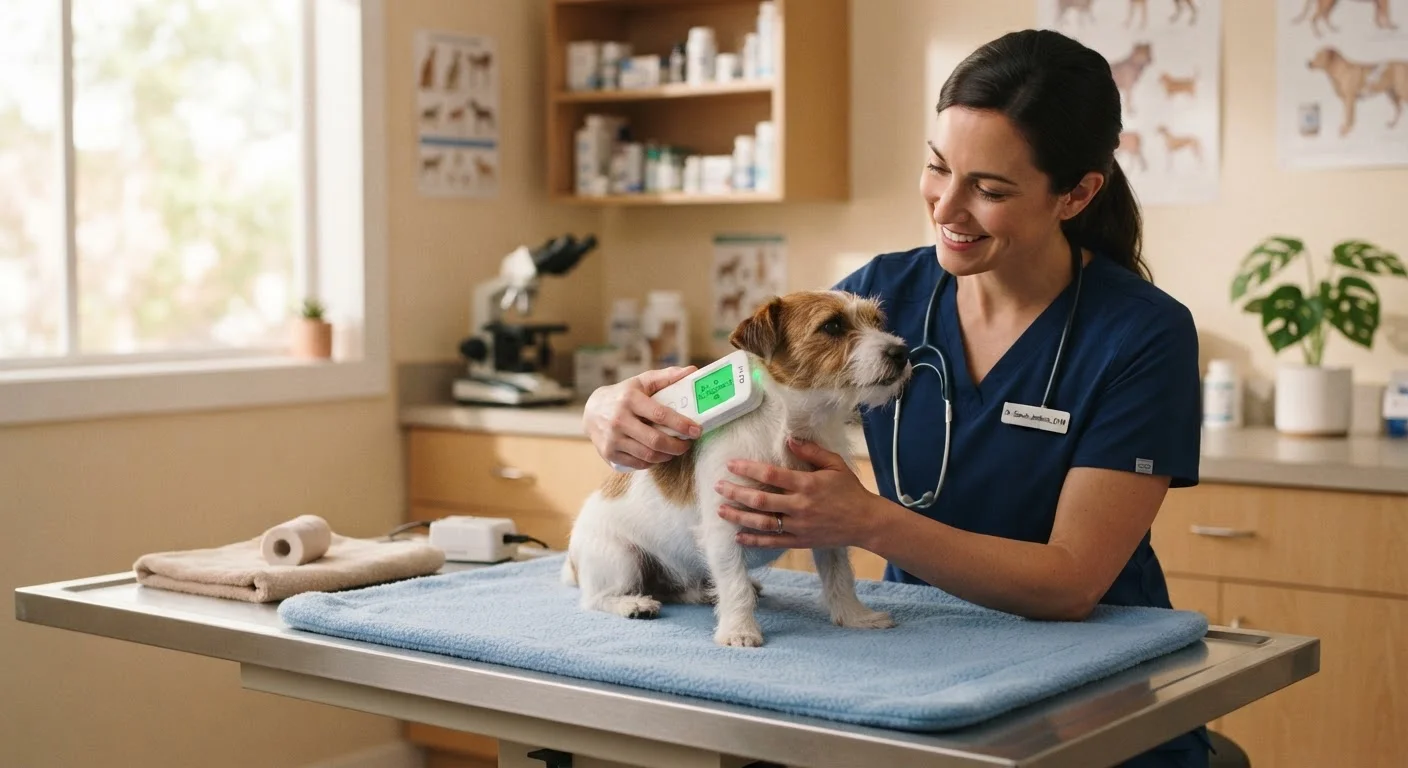
Photo: UltraSearches.com | Search Results You Can Trust editorial
Key Takeaways
- A microchip stores a unique ID number, not your location - it is not a GPS tracker.
- The chip only helps if your contact information in the registry is current and accurate.
- Implantation is a quick, low-risk procedure typically performed by a veterinarian.
- Scanners must be compatible with the chip's frequency to read it correctly.
- Registering with a national database is a separate step from the implant itself.
- A microchip is a complement to - not a replacement for - a collar and ID tag.
How a Microchip Actually Works
When a shelter worker or veterinarian scans a lost animal, the handheld reader emits a radio frequency that powers the passive chip just long enough to broadcast its stored number. That number - typically 15 digits for ISO-standard chips - corresponds to a record in a pet recovery registry containing the owner's name and contact details.
The process is entirely passive on the chip's end. There is no power source inside the device, no signal being broadcast, and no location data of any kind being recorded. The chip does only one thing: respond to a scanner with its unique ID.
This is the most important distinction for pet owners to understand. A microchip is an identification tool, not a tracking tool. If your dog slips out of the yard at midnight, the chip will not tell you where she went. It will, however, help a shelter connect her back to you - if the right steps have been taken in advance.
Microchips vs. GPS Collars: Different Tools
The Implantation Procedure
Implantation is a brief outpatient procedure. A veterinarian uses a sterile needle - slightly larger than one used for a typical vaccination - to inject the chip subcutaneously, most often between the shoulder blades. Most pets tolerate it similarly to a routine shot, though some show minor, temporary sensitivity at the site.
No anesthesia is required in most cases, and the procedure is typically completed in under a minute. Microchipping is commonly done during a scheduled wellness visit, at the time of spay or neuter surgery, or when adopting from a shelter - many shelters chip animals before adoption.
Verify Your Registration After Implantation
Once implanted, the chip is considered permanent. It does not expire and requires no recharging or maintenance. However, there is one ongoing responsibility that many owners overlook.
Registration: The Step That Actually Makes It Work
The chip itself is inert without a corresponding database record. After implantation, the chip's ID number must be enrolled in a pet recovery registry - and this registration step is often done incompletely or not at all.
In the United States, there is no single unified national database. Multiple registries operate independently, which means a chip registered in one may not appear in a search of another. Some registries charge annual fees; others are free. Universal lookup tools such as the AAHA Universal Pet Microchip Lookup can search across multiple databases simultaneously, which is why shelters often use them.
~52%
Return-to-owner rate for microchipped dogs
Research published in the Journal of the American Veterinary Medical Association found microchipped dogs were returned to owners at roughly 52%, compared to about 22% for dogs without chips.
~38%
Return-to-owner rate for microchipped cats
The same JAVMA study found microchipped cats had a return rate of approximately 38%, versus under 2% for cats without microchips.
35%+
Chips with incorrect or missing registry data
The JAVMA study also noted that a significant share of microchipped animals had registry problems - wrong numbers, no record, or owner contact details that no longer worked.
What matters most is that your record is accurate and current. If you move, change your phone number, or transfer ownership of your pet, update the registry record promptly. A chip tied to a disconnected number or old address is functionally useless in a recovery scenario. Consider confirming your record annually - it takes only a few minutes to search your chip number online.
What Microchipping Does Not Guarantee
Microchipping meaningfully improves the odds of recovering a lost pet, but it is not a failsafe. Several real-world gaps can prevent a successful reunion:
- Scanner incompatibility: Not all scanners read all chip frequencies. While modern universal scanners have reduced this problem, outdated equipment still exists in some facilities.
- Unscanned animals: A chip only helps if someone scans for it. A good Samaritan who takes in your cat without visiting a vet or shelter may never know a chip exists.
- Stale registry data: Outdated contact information is one of the most common reasons reunions fail even when a chip is present.
- Chip migration or failure: Although uncommon, chips can shift from their original site or, in rare cases, fail to transmit. Annual vet scans can catch this early.
Responsible ownership means treating the microchip as one layer of a broader safety net - alongside a well-fitted collar, a visible ID tag, and a recent photo of your pet on hand. For a broader look at what thoughtful pet ownership involves day to day, see our Pet Care Basics hub.
This article provides general educational information about pet microchipping and is not a substitute for guidance from a licensed veterinarian. Consult your vet with any questions about the procedure or your pet's individual health needs.
Frequently Asked Questions
The content on this site is for informational purposes only and is not a substitute for professional advice. Always consult a qualified professional for guidance specific to your situation.