
Car Maintenance

Battery Health and the Habits That Quietly Drain It

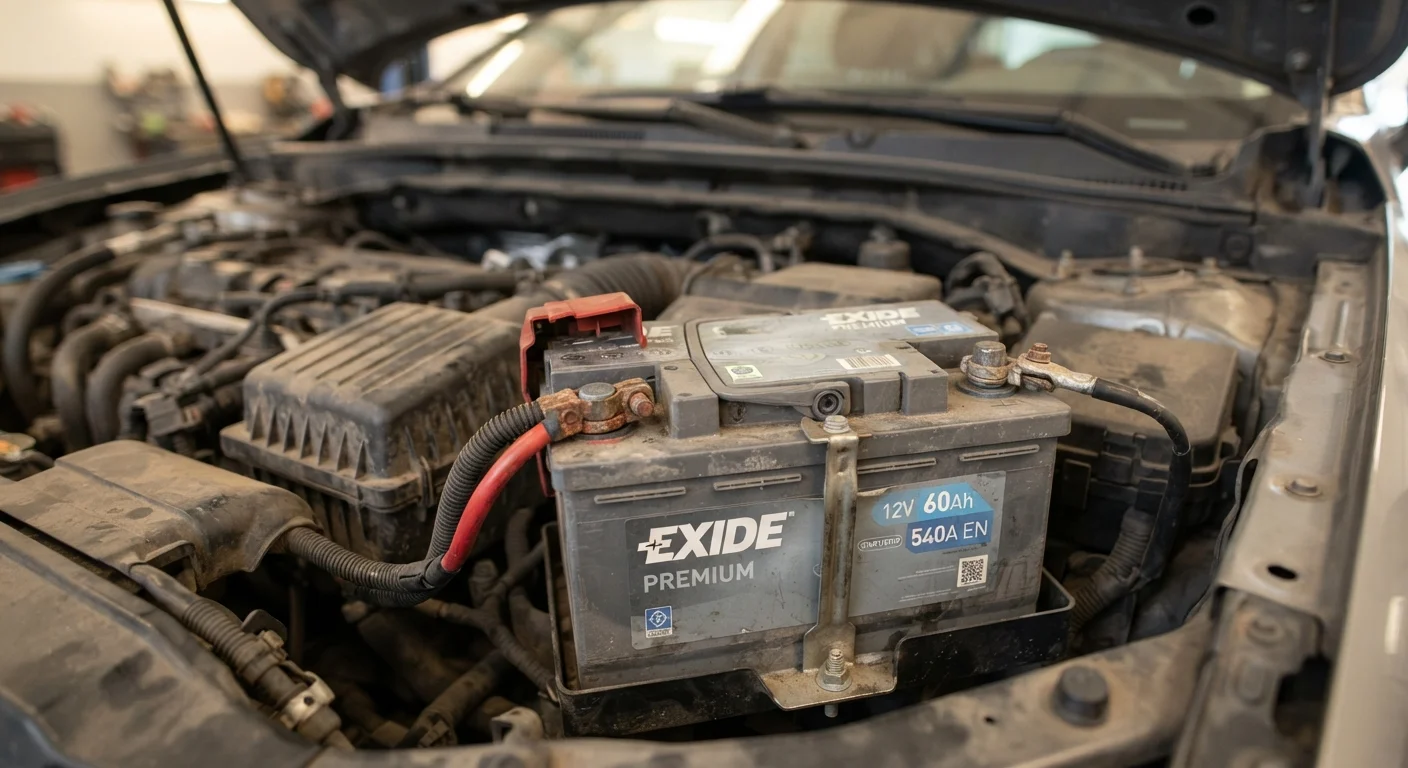
Battery Health and the Habits That Quietly Drain It

Photo: UltraSearches.com | Search Results You Can Trust editorial

Car batteries fail gradually, not all at once. Understand the habits, temperatures, and electrical loads that shorten their lifespan.

Key Takeaways

  • Short trips prevent the battery from fully recharging, quietly draining its long-term capacity.
  • Extreme temperatures — both hot and cold — accelerate battery chemical breakdown.
  • Parasitic electrical draws from accessories left on can discharge a battery overnight.
  • A battery load test at 3 years of age gives you an early warning before a failure strands you.
  • Corroded or loose terminals cause voltage drops that stress the battery and alternator.

Why Batteries Fail Before They Should

A dead battery feels sudden, but the damage is almost always cumulative. The lead-acid battery in most conventional vehicles loses capacity through repeated partial charging cycles, heat exposure, and electrical load — long before it stops starting your engine entirely. Understanding that failure is a process, not an event, is the first step toward preventing it.

Most automotive batteries are rated to last 3–5 years under normal driving conditions. That number shrinks considerably when driving habits, climate, and electrical habits work against the battery's chemistry. The good news: the most damaging habits are fixable once you know what they are.

3–5 years

Typical automotive battery lifespan

Industry estimates from AAA and battery manufacturers cite this range under normal driving and climate conditions.

~33%

Roadside calls attributed to battery failure

AAA has consistently identified battery-related issues as among the leading causes of roadside assistance calls in North America.

The Habits That Silently Wear a Battery Down

Battery degradation rarely announces itself. These are the patterns most likely to shorten its working life:

1

Avoid repeatedly making only short trips without longer drives mixed in.

Every start draws significant power from the battery. The alternator needs sustained driving — typically 20–30 minutes — to replenish what was used. Frequent short trips keep the battery in a perpetual state of partial charge, which accelerates sulfation (a buildup of lead sulfate crystals that permanently reduces capacity).
Example: A driver who commutes five minutes each way and never drives on weekends may find their battery failing within two years, even though it looks and tests fine individually.
2

Turn off all accessories before shutting down the vehicle.

Interior lights, phone chargers plugged into USB or 12V outlets, dash cameras wired directly to the fuse box, and even some factory features can draw current continuously. This is called a parasitic drain. Even a small draw — say, 50 milliamps — can discharge a battery over several days of sitting unused.
Example: A glove box light with a faulty switch can draw power constantly; owners often only discover it after repeated unexplained dead batteries.
3

Protect the battery from prolonged exposure to temperature extremes.

Heat accelerates the internal chemical reactions that degrade battery plates, making hot climates among the most damaging environments for battery longevity. Cold weather dramatically reduces a battery's available power output, making a marginally weak battery fail completely on a cold morning.
Example: Parking in a garage during summer months — even an uncooled one — meaningfully reduces the peak temperatures a battery experiences over its lifetime.
4

Inspect and clean battery terminals regularly.

Corrosion — the white or bluish crust that forms around terminals — increases electrical resistance. This forces the battery and alternator to work harder to deliver the same amount of power, stressing both components and reducing charging efficiency.
Example: A technician who cleans corroded terminals during a routine oil change often finds that electrical issues the driver attributed to aging resolve immediately.
5

Have the charging system checked whenever the battery is tested.

A failing alternator can undercharge a healthy battery or — more damagingly — overcharge it, causing internal damage and a shortened lifespan. Battery and alternator failures are often misdiagnosed as one when the real culprit is the other.
Example: Replacing a battery without testing the alternator, only to find the new battery dead within months, is a common and avoidable outcome.

If you drive a high-mileage vehicle, battery health ties directly into your broader maintenance routine. See our guide to keeping a high-mileage car on the road for a fuller picture of what wears faster with age.

Quick Steps You Can Take Right Now

You don't need specialized tools or mechanical experience to protect your battery. These actions make a real difference:

high Walk around your car and confirm all lights — interior, trunk, glove box — are off before leaving it parked for more than a day.
medium Visually inspect your battery terminals for white or blue corrosion; if present, have it cleaned at your next service visit.
high If your battery is three years or older, ask for a free load test the next time you visit an auto parts store.
medium Unplug USB adapters, radar detectors, and other accessories from 12V outlets when the car won't be driven for several days.

When to Test and When to Replace

Battery testing is inexpensive and widely available at auto parts stores and many service shops. A load test — which measures how well the battery delivers power under demand — is more reliable than a simple voltage check. Industry guidance generally suggests testing once a battery reaches three years of age, and annually after that.

Free Testing Is Widely Available

Many auto parts retailers offer free battery and alternator testing without an appointment. This takes about 10 minutes and gives you an objective reading of remaining capacity. Getting tested proactively — rather than after a failure — is one of the simplest ways to avoid being stranded.

Signs that a battery may be nearing the end of its useful life include slow engine cranking, a dashboard warning light, headlights that dim at idle, or a battery that repeatedly discharges without an obvious cause. If you're experiencing any of these, have the battery and charging system evaluated by a qualified mechanic — don't wait for a no-start situation.

This article is for general informational purposes only. Always consult a qualified automotive technician for advice specific to your vehicle's make, model, and condition.

Automobile Editorial Team

UltraSearches.com | Search Results You Can Trust

Automobile Editorial Team is the collective byline for our editorial team and contributor network. Articles published under this byline or an editorial pen name are researched, written, and reviewed according to our editorial standards for clarity, consistency, and independence before publication.

Car MaintenanceRoad SafetyVehicle Ownership
View author profile

The content on this site is for informational purposes only and is not a substitute for professional advice. Always consult a qualified professional for guidance specific to your situation.