
Keeping a High-Mileage Car on the Road

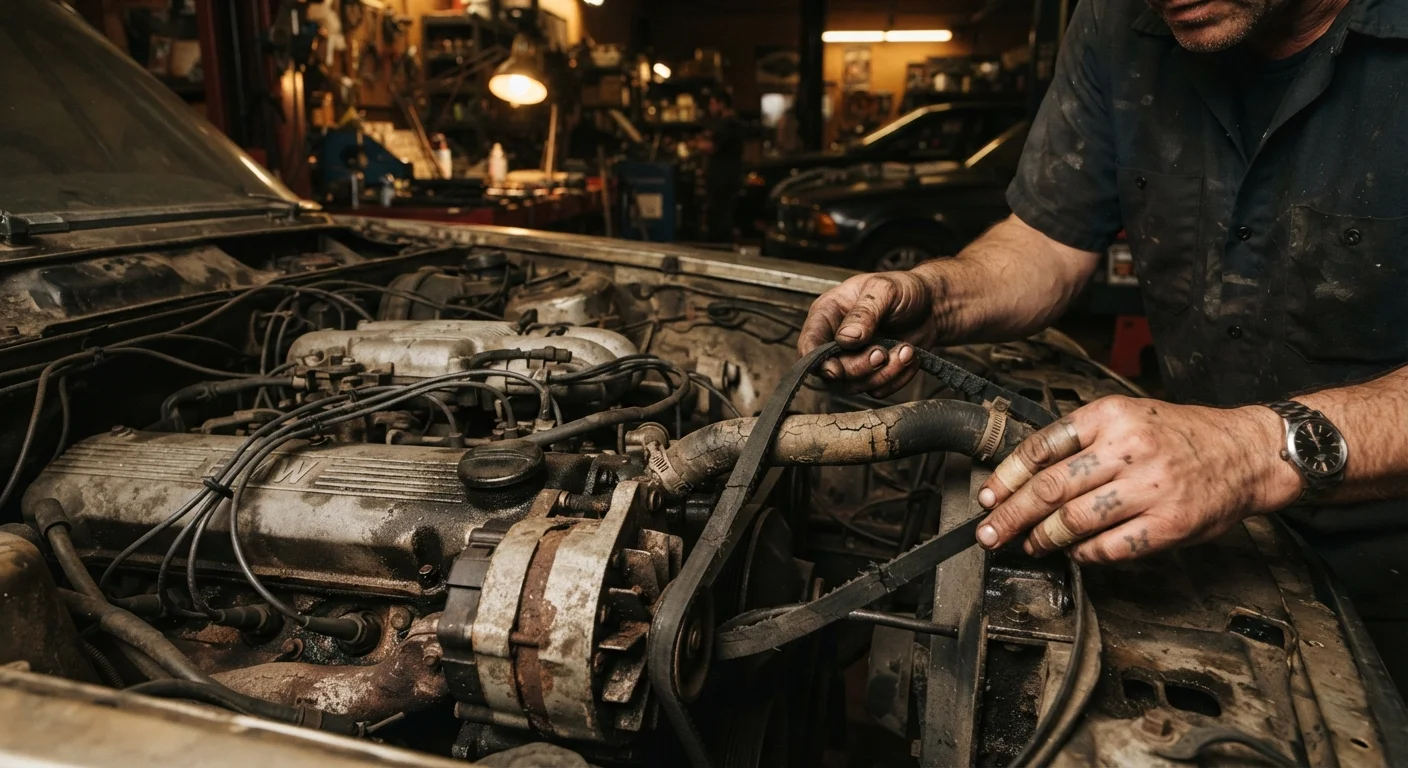
Photo: UltraSearches.com | Search Results You Can Trust editorial
Key Takeaways
- Seals, hoses, and belts degrade with age and mileage, not just wear patterns.
- Switching to high-mileage oil formulations can help reduce minor seepage from aging seals.
- Cooling system failures are among the most common causes of serious engine damage in older vehicles.
- Documented service history helps you spot recurring problems and protect resale value.
- A qualified mechanic inspection every 12 months is especially worthwhile past 100,000 miles.
What Changes After 100,000 Miles
Crossing the 100,000-mile mark used to be considered the end of a car's practical life. That's no longer true - modern vehicles built and maintained well can run reliably to 200,000 miles and beyond. But higher mileage does change the maintenance calculus, and drivers who treat a high-mileage car the same way they treated it at 30,000 miles will eventually run into avoidable problems.
The core shift is from prevention to proactive management. Rubber components - hoses, belts, gaskets, seals - harden and crack with age. Metal surfaces accumulate microscopic wear. Sensors and electrical connectors become more prone to corrosion. None of this means failure is imminent, but it does mean closer attention is warranted.
Understanding what your car has been through is the starting point. A vehicle with 120,000 city miles on stop-and-go streets faces different stress than one with highway miles at steady speeds. Check out our guide to routine maintenance intervals for a baseline on what should already have been completed.
200K+
Miles many modern vehicles can reliably reach
Industry data and consumer vehicle longevity studies suggest well-maintained modern cars frequently exceed 200,000 miles.
3-5 years
Typical car battery lifespan
Most automotive manufacturers and battery producers cite a three-to-five year service life under normal operating conditions.
~60-105K
Timing belt replacement interval (miles)
Manufacturer-specified intervals vary by engine design; consult your owner's manual for your vehicle's exact schedule.
Fluids and Filters: The First Line of Defense
Fluids do more than lubricate - they carry heat away, prevent corrosion, and protect moving surfaces from direct contact. At high mileage, degraded fluids cause disproportionate damage because worn components have less tolerance for stress.
- Engine oil: High-mileage oil formulations contain additives designed to condition aging seals and reduce consumption. If your engine has been burning or leaking small amounts of oil, this switch can help. Follow your owner's manual interval - don't assume the old 3,000-mile rule applies. For more on what skipping oil changes actually does, see what happens when you skip oil changes.
- Coolant: Old coolant loses its corrosion inhibitors and becomes acidic, attacking aluminum engine components and radiator fins from the inside. A coolant flush per your manufacturer's schedule is non-negotiable on older vehicles.
- Transmission fluid: Degraded transmission fluid accelerates clutch pack wear in automatics. Many manufacturers list no change interval, but many mechanics recommend one around 60,000-90,000 miles for vehicles used in towing or stop-and-go traffic.
- Brake fluid: Absorbs moisture over time, lowering its boiling point. Most manufacturers recommend replacement every two to three years regardless of mileage.
Check Fluids Monthly on High-Mileage Vehicles
Components That Wear Faster at High Mileage
Certain parts reach end-of-life predictably by mileage or age. Knowing the typical ranges helps you budget and schedule replacements before a breakdown forces your hand.
When buying a used high-mileage vehicle, request service records and specifically ask whether the timing belt has been replaced. If the seller can't confirm it, budget for the replacement immediately.
Inspect your radiator hoses by squeezing them when the engine is cold - they should feel firm and pliable, not mushy, cracked, or rock-hard. Either extreme indicates replacement is overdue.
- Serpentine belt
- Typically replaced between 60,000 and 100,000 miles. A snapped serpentine belt disables power steering, the alternator, and often the water pump simultaneously - always inspect it at high mileage.
- Spark plugs
- Worn plugs reduce combustion efficiency and can cause misfires. Standard plugs often need replacement around 30,000-45,000 miles; iridium or platinum plugs can last 60,000-100,000 miles. Check your owner's manual.
- Timing belt (if applicable)
- Not all engines have one, but those that do typically require replacement between 60,000 and 105,000 miles. Failure can cause catastrophic engine damage. If you don't know whether yours has been replaced, find out immediately.
- Suspension components
- Shock absorbers, struts, and ball joints wear gradually. Signs include excessive bouncing, uneven tire wear, or pulling to one side. Worn suspension also affects braking distance.
- Battery
- Most batteries last three to five years. At high mileage, alternator condition also affects charging reliability. See our piece on battery health and what quietly drains it.
Warning Signs You Should Never Ignore
High-mileage vehicles communicate stress through symptoms that are easy to dismiss as normal aging. Some are minor; others signal developing failures that can strand you or escalate repair costs significantly.
Coolant Leaks Can Escalate Rapidly
- Coolant or oil puddles beneath the car: Spot these on your driveway and investigate immediately. Small leaks become expensive failures fast.
- Rough idle or hesitation on acceleration: Can indicate worn spark plugs, a dirty fuel injector, or a failing sensor. Diagnosed early, these are relatively inexpensive fixes.
- Check engine light: Pull the code at an auto parts store or mechanic rather than ignoring it. The light covers dozens of possible issues, ranging from a loose gas cap to a failing catalytic converter.
- Whining or grinding sounds: Whining from the power steering pump, grinding from brakes, or rumbling from wheel bearings all indicate components that need attention before they fail.
- Burning smell: An oil smell can mean a leak onto the exhaust. A sweet smell near the hood often means coolant - investigate before the engine overheats.
Before any long drive, run through the checklist in our pre-trip car preparation guide - it's especially relevant for older vehicles.
Building a High-Mileage Maintenance Routine
Consistency is the single biggest factor in whether a high-mileage vehicle stays on the road. A disciplined routine doesn't have to be expensive - catching small issues early almost always costs less than repairing what they become.
Annual professional inspection: Beyond your regular oil changes and tire rotations, a comprehensive inspection by a qualified mechanic once a year is worthwhile past 100,000 miles. Ask them to check hoses, belts, brakes, suspension, and any components specific to your vehicle's known trouble spots.
Keep detailed records: Log every service - what was done, when, and by whom. This helps you track intervals accurately and spot recurring patterns. It also preserves resale value. Our guide on why maintenance records matter covers this in depth.
Adjust intervals conservatively: Where your owner's manual gives a range (e.g., oil every 5,000-7,500 miles), lean toward the shorter end on a high-mileage vehicle, especially if you drive in severe conditions - extreme temperatures, frequent short trips, or towing.
Don't overlook climate: Heat accelerates rubber degradation; cold stresses batteries and seals. Our seasonal maintenance guide details what to check by region.
High-mileage ownership is ultimately about staying ahead of wear rather than reacting to it. Drivers who do this consistently find that the cost of keeping an older vehicle running is often far less than a new car payment - but it requires genuine attention, not wishful thinking.
This article is for general informational purposes only. Always consult a qualified mechanic for diagnosis or repair decisions specific to your vehicle.
The content on this site is for informational purposes only and is not a substitute for professional advice. Always consult a qualified professional for guidance specific to your situation.