
Road Rage: What Escalates It, What Defuses It, and When to Disengage

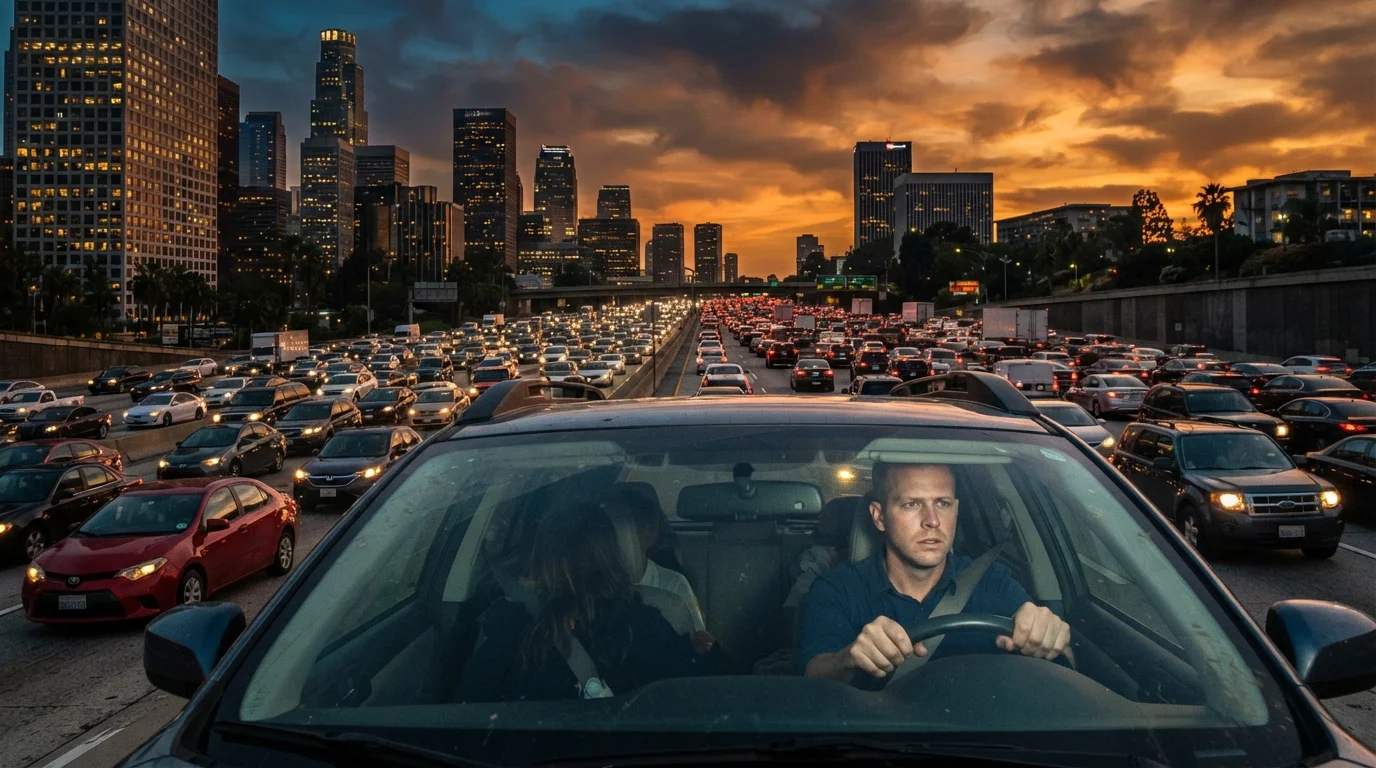
Photo: UltraSearches.com | Search Results You Can Trust editorial
Key Takeaways
- Road rage escalates fastest when drivers make eye contact, gesture, or respond aggressively.
- The single most effective de-escalation tool is simply not engaging with an aggressive driver.
- If you feel your own anger rising, physical space and silence are your best reset mechanisms.
- Calling 911 is appropriate when another driver poses an active, ongoing threat to public safety.
- Chronic driving stress may signal a broader pattern worth addressing off the road.
Why Road Rage Escalates So Quickly
Traffic environments are unusually stressful: high stakes, limited control, and anonymous strangers in close physical proximity. That combination reliably degrades patience. Research in traffic psychology consistently shows that drivers perceive other drivers' mistakes as intentional far more often than they actually are - a well-documented cognitive shortcut called fundamental attribution error.
The anonymity of being inside a vehicle also reduces social inhibition. Behaviors that would be unthinkable face-to-face - screaming, threatening gestures, deliberate intimidation - feel less extreme behind glass. This is the same psychological mechanism that makes online arguments nastier than in-person ones.
Certain road conditions amplify these effects. Heavy congestion, construction delays, and highway merges all compress space and time in ways that reliably increase frustration. Highway-specific stress patterns, including tailgating and abrupt lane changes, are common precursors to road rage incidents.
A Short Pause Before Reacting Helps
If you notice that your frustration behind the wheel is becoming a consistent pattern rather than an occasional reaction, it may be worth examining what's happening off the road. Recognizing when everyday stress has escalated is a useful starting point.
What You Can Control - And What You Cannot
You cannot control how other drivers behave, how traffic flows, or whether someone decides to make your commute difficult. You can control your response to all of those things. That distinction is the entire foundation of managing road rage - yours and anyone else's.
Road Rage Can Become a Criminal Matter
Before your next drive, take stock of what you're bringing into the car. Fatigue, hunger, and pre-existing stress all lower your threshold significantly. Planning routes with a realistic time buffer reduces the pressure that makes small driving mistakes feel intolerable.
Being a safer, more deliberate driver also reduces the number of unintentional provocations you send. Signaling consistently, avoiding prolonged middle-lane driving, and checking blind spots before lane changes are habits that lower the friction you create for others. For a practical overview of situational awareness techniques, see our guide on defensive driving habits.
What you will need
The steps below walk through how to recognize, manage, and safely exit road rage situations - whether you're the target or feel your own anger beginning to rise.
Recognize the escalation triggers before they take hold
Road rage rarely starts with a deliberate attack - it usually begins with a perceived slight: an abrupt lane change, a slow merge, or a horn used one second too long. What turns irritation into rage is typically a cycle of retaliation. Each response feels justified to the person making it, which is exactly how minor friction becomes a dangerous confrontation.
Common escalators include sustained eye contact (which the brain reads as a dominance challenge), hand gestures, tailgating in response to tailgating, and matching or exceeding the other driver's speed. Recognizing these triggers in yourself is as important as spotting them in others.
Break contact and create physical space immediately
The moment you sense that another driver is behaving aggressively toward you - not just making a mistake, but actively targeting your vehicle - increase the gap between your vehicles. Slow down, change lanes when safe, or take the next exit. Distance is the most reliable de-escalation tool available to you.
Avoid matching their speed or blocking their ability to pass. Letting an aggressive driver go ahead of you is not weakness - it removes them from your immediate space and eliminates the friction point.
Manage your own physiological response
Anger produces a measurable stress response: elevated heart rate, tunnel vision, and reduced judgment. These are not personality flaws - they are biology. The practical implication is that you are a less accurate and less safe driver when angry, regardless of who caused the situation.
Deliberate slow breathing (inhale for four counts, exhale for four) activates the parasympathetic nervous system and shortens the anger response. Keeping both hands on the wheel and maintaining a normal driving posture also helps redirect physical tension into something constructive.
Do not engage - even to "defend" your behavior
The impulse to explain yourself - to honk once more so the other driver understands you weren't the one who was wrong - is natural but counterproductive. The other driver is not in a state to receive that information. Any further signal from you is processed as continued aggression, not clarification.
This means: no return gestures, no prolonged eye contact, no horn, no flashing lights. Silence and stillness remove the fuel. See defensive driving principles for a broader framework on anticipating and absorbing these moments without reacting.
Know when to call for help
If another driver is following you, attempting to force you to stop, or behaving in a way that suggests imminent physical danger, call 911. Describe your location, the other vehicle's make, color, and license plate if visible, and the nature of the threat. Do not attempt to confront the driver or exit your vehicle.
Drive toward a populated, well-lit area - a gas station, fire station, or busy parking lot. Staying in a moving vehicle in a public area is almost always safer than stopping.
This article provides general driver education and safety information. It is not legal advice. Laws governing aggressive driving and road rage vary by state. Consult local law enforcement resources or a licensed attorney if you have questions about specific legal obligations.
The content on this site is for informational purposes only and is not a substitute for professional advice. Always consult a qualified professional for guidance specific to your situation.