
Highway Driving Feels Simple - Here's Where It Gets Dangerous

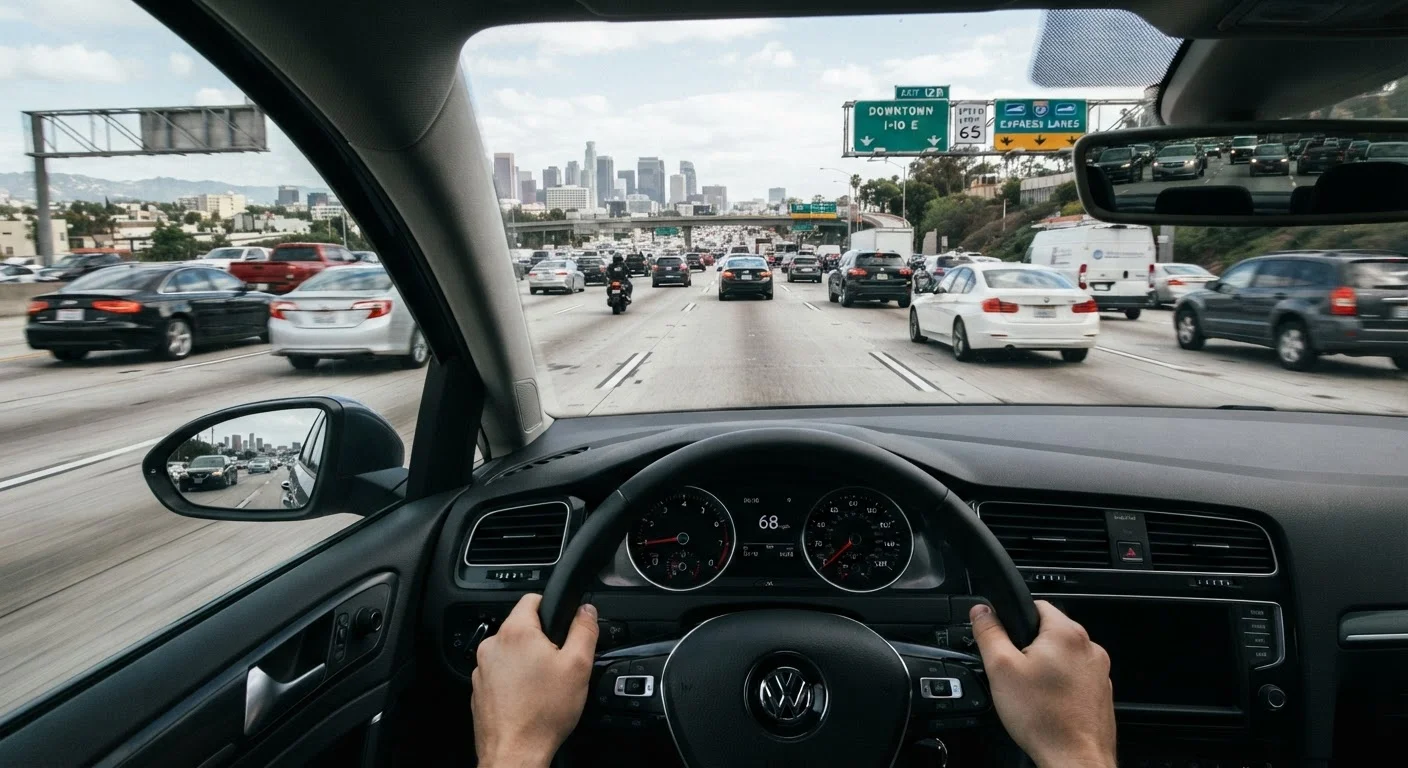
Photo: UltraSearches.com | Search Results You Can Trust editorial
Key Takeaways
- Merging errors, tailgating, and blind-spot neglect are among the most common - and preventable - highway hazards.
- High speeds shrink reaction time dramatically, turning routine mistakes into serious collisions.
- Many dangerous habits form because highways feel predictable, which breeds complacency over time.
- Consistent mirror checks, proper following distance, and signaling discipline correct most highway errors.
Why Highway Driving Breeds Complacency
Straight lanes, predictable traffic flow, and no stop signs - highways seem designed to make driving easy. That familiarity is precisely what makes them dangerous. When the environment feels routine, drivers reduce their active attention without realizing it. Research published by the National Highway Traffic Safety Administration (NHTSA) consistently identifies driver inattention and complacency as contributing factors in a significant share of highway crashes.
Unlike city streets, where constant signals and pedestrians keep drivers alert, highways create long stretches where nothing appears to demand focus. That mental drift - often called highway hypnosis - can slow a driver's response time enough to eliminate any chance of corrective action before impact. Understanding the specific mistakes that emerge in this environment is the first step toward countering them.
For a broader look at how driver behavior shapes crash risk, see this overview of U.S. road safety.
Merging without matching highway speed.
Following too closely at highway speeds.
Neglecting blind-spot checks before lane changes.
Sitting in the left lane without passing.
Abrupt braking in response to slowing traffic.
Failing to adjust speed for conditions beyond the posted limit.
Habits That Make Highway Driving Safer
Correcting highway mistakes isn't about driving more slowly across the board - it's about staying deliberate when conditions tempt you to coast. A few consistent habits cover the majority of the risk.
~50%
Highway share of U.S. traffic fatalities
According to NHTSA data, roughly half of all U.S. traffic fatalities occur on non-intersection roadways, which includes interstates and highways, despite their controlled-access design.
3 sec
Minimum recommended following distance
Traffic safety organizations widely recommend a minimum three-second following gap at highway speeds, extending to six or more seconds in adverse conditions.
Scan ahead, not just immediately in front. Experienced drivers maintain awareness of traffic two or more seconds ahead of the vehicle they're following. This gives enough lead time to slow gradually rather than brake hard. Use your mirrors on a cycle. Check your rearview and each side mirror roughly every five to eight seconds. If your vehicle has blind-spot monitoring, treat it as a supplement - not a substitute - for shoulder checks. The limits of driving assistance technology are worth understanding before you rely on these systems in fast-moving traffic.
Signal early and commit. Signaling a lane change a full three seconds before moving gives surrounding drivers time to adjust. Last-second signaling is nearly as dangerous as no signal at all. Finally, manage your mental state: fatigue and distraction are compounding factors on highways. Distracted driving myths often convince drivers they're managing attention adequately when they aren't.
Aggressive Responses Escalate Risk Quickly
For drivers still developing their foundational skills, road safety habits for new drivers provides a structured starting point that applies well beyond the early months of driving.
The content on this site is for informational purposes only and is not a substitute for professional advice. Always consult a qualified professional for guidance specific to your situation.