
Auto Insurance Basics Every Driver Should Understand

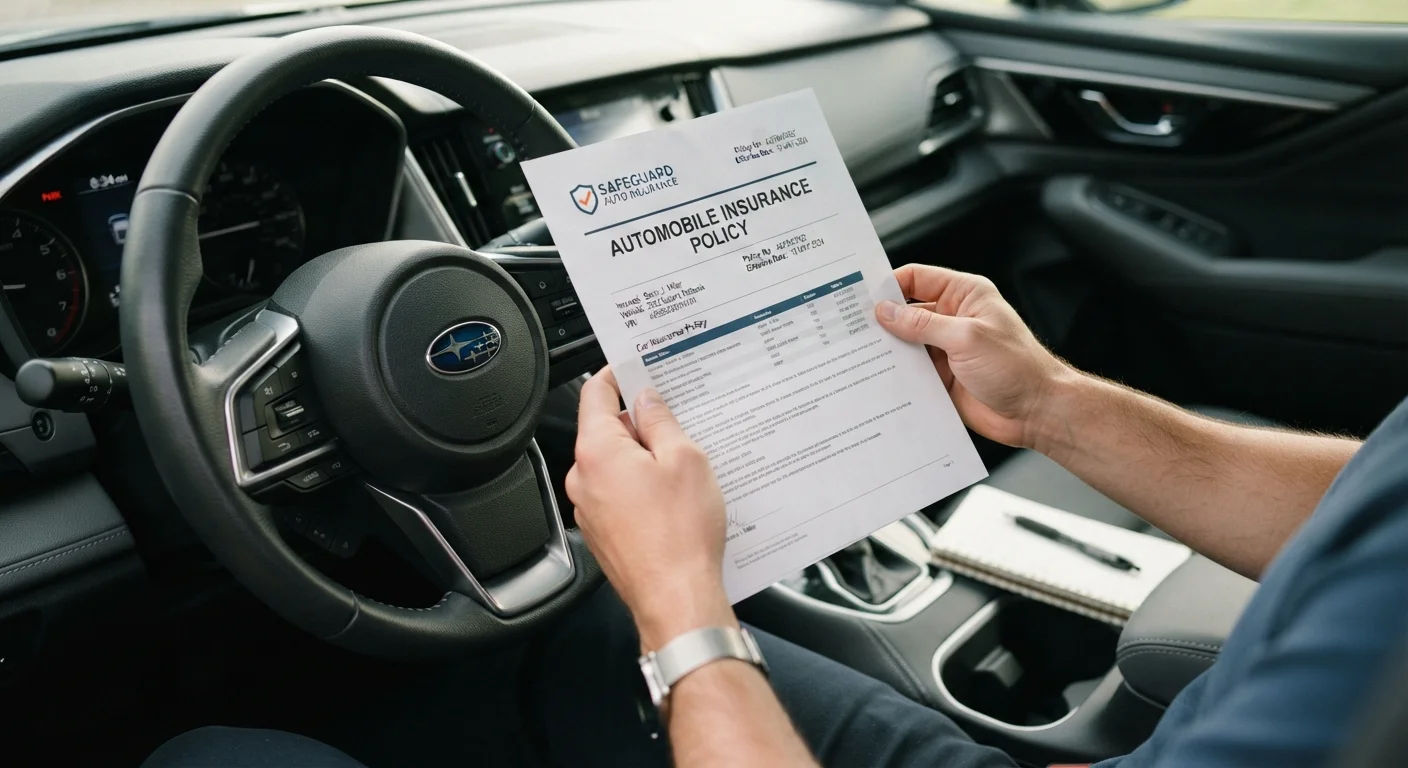
Photo: UltraSearches.com | Search Results You Can Trust editorial
Key Takeaways
- Nearly every U.S. state requires drivers to carry a minimum level of liability insurance.
- Liability, collision, and comprehensive are the three foundational coverage types in most policies.
- Your deductible is what you pay out-of-pocket before insurance covers the rest of a claim.
- Optional coverages like uninsured motorist and gap insurance fill real financial gaps for many drivers.
- Coverage limits and deductible amounts directly affect both your premium and your out-of-pocket risk.
Why Auto Insurance Is Required
Auto insurance exists primarily to protect everyone on the road - not just the policyholder. When a driver causes an accident, the costs of medical treatment and vehicle repair can quickly reach tens of thousands of dollars. Without insurance, injured parties and damaged property owners would have little recourse.
Nearly every U.S. state mandates that registered drivers carry a minimum amount of liability coverage. The only exception as of this writing is New Hampshire, which allows drivers to demonstrate financial responsibility through other means. Driving without the required coverage can result in fines, license suspension, or vehicle impoundment - and personal financial liability in the event of an at-fault accident.
For drivers new to vehicle ownership, understanding these legal obligations is the first step. See our car ownership guide for first-time drivers for a broader look at the responsibilities that come with owning a vehicle.
Liability coverage
Insurance that pays for injuries and property damage you cause to other people in an at-fault accident. It does not cover your own vehicle or injuries.
Collision coverage
Coverage that pays to repair or replace your vehicle after it collides with another car or object, regardless of who was at fault.
Comprehensive coverage
Coverage for damage to your vehicle from events other than a collision - such as theft, weather, fire, or hitting an animal.
Deductible
The fixed amount you pay out of pocket on a covered claim before your insurer pays the remainder. A higher deductible usually means a lower monthly premium.
Coverage limit
The maximum dollar amount your insurer will pay for a single claim or accident. You are responsible for any costs above this limit.
Premium
The amount you pay - typically monthly or every six months - to keep your insurance policy active.
The Core Coverage Types Explained
Auto insurance policies are built from several distinct coverage types, each protecting against different risks. Here are the three you'll encounter in virtually every policy:
- Liability coverage - Pays for bodily injury and property damage you cause to others in an at-fault accident. It does not cover your own injuries or vehicle. Most states require a minimum level.
- Collision coverage - Pays to repair or replace your vehicle after a collision with another car or object, regardless of fault. Usually required by lenders on financed vehicles.
- Comprehensive coverage - Covers damage to your vehicle from non-collision events: theft, vandalism, fire, hail, flooding, or striking an animal. Often paired with collision coverage.
Together, collision and comprehensive are sometimes called full coverage - though that term isn't an official insurance category and doesn't mean every scenario is covered. For a detailed breakdown of what each type actually protects against, see what your auto insurance policy actually covers.
State Minimums May Not Be Enough
Optional Coverages Worth Knowing
Beyond the core three, several add-on coverages address gaps that standard policies leave open:
- Uninsured/underinsured motorist (UM/UIM) - Protects you if you're hit by a driver who carries no insurance or not enough to cover your damages. Some states require this coverage; others make it optional.
- Personal injury protection (PIP) - Covers medical expenses for you and your passengers after an accident, regardless of fault. Required in no-fault states; available as an add-on in others.
- Medical payments (MedPay) - Similar to PIP but typically narrower in scope, covering medical bills only (not lost wages).
- Gap insurance - If your car is totaled and you owe more on the loan than the car is worth, gap coverage pays the difference. Particularly relevant for new vehicles that depreciate quickly.
- Rental reimbursement - Pays for a rental car while your vehicle is being repaired after a covered claim.
If you financed your vehicle, your lender may require some of these. See our guide to vehicle financing terms for how loan agreements interact with insurance requirements.
Review Your Coverage When Your Situation Changes
How Deductibles and Limits Work
Two numbers define how much your insurance actually pays when a claim occurs: your deductible and your coverage limit.
Your deductible is the amount you pay out of pocket before the insurer covers the rest. A $500 deductible on a $4,000 repair means you pay $500 and your insurer pays $3,500. Choosing a higher deductible generally lowers your monthly premium, but increases your financial exposure after an accident. Liability coverage typically does not have a deductible - your insurer pays others' damages up to your policy limit directly.
Your coverage limit is the maximum your insurer will pay for a covered claim. Liability limits are often expressed as three numbers - for example, 25/50/25 - meaning $25,000 per injured person, $50,000 per accident for bodily injury, and $25,000 for property damage. If damages exceed your limits, you are personally responsible for the rest.
Choosing limits that match your actual financial exposure - not just the state minimum - is an important decision. For a plain-language explanation of policy terminology, see key insurance terms every policyholder should recognize.
What Affects Your Premium
Auto insurance premiums are not fixed - insurers calculate them based on the statistical likelihood that you'll file a claim and what that claim might cost. Common factors include:
- Driving record - At-fault accidents, speeding tickets, and DUI convictions typically raise premiums significantly.
- Age and experience - Younger and less experienced drivers statistically have higher accident rates, which is reflected in higher rates.
- Location - Urban areas with higher traffic density, theft rates, or severe weather history generally carry higher premiums.
- Vehicle type - Repair costs, safety ratings, and theft likelihood for your specific make and model factor into the calculation.
- Credit history - Most states allow insurers to use credit-based insurance scores as a rating factor; a few states prohibit this practice.
- Coverage choices - Higher limits, lower deductibles, and more add-on coverages all increase the premium.
Understanding these variables helps you make informed trade-offs when selecting coverage. For a broader look at how auto insurance fits alongside other policies you may carry, the Auto & Home Insurance hub is a useful starting point.
This article is for general informational purposes only and does not constitute personalized insurance, financial, or legal advice. Coverage requirements, terms, and availability vary by state and insurer. Consult a licensed insurance professional for guidance specific to your situation.
Frequently Asked Questions
The content on this site is for informational purposes only and is not a substitute for professional advice. Always consult a qualified professional for guidance specific to your situation.