
What Your Auto Insurance Policy Actually Covers (And What It Doesn't)

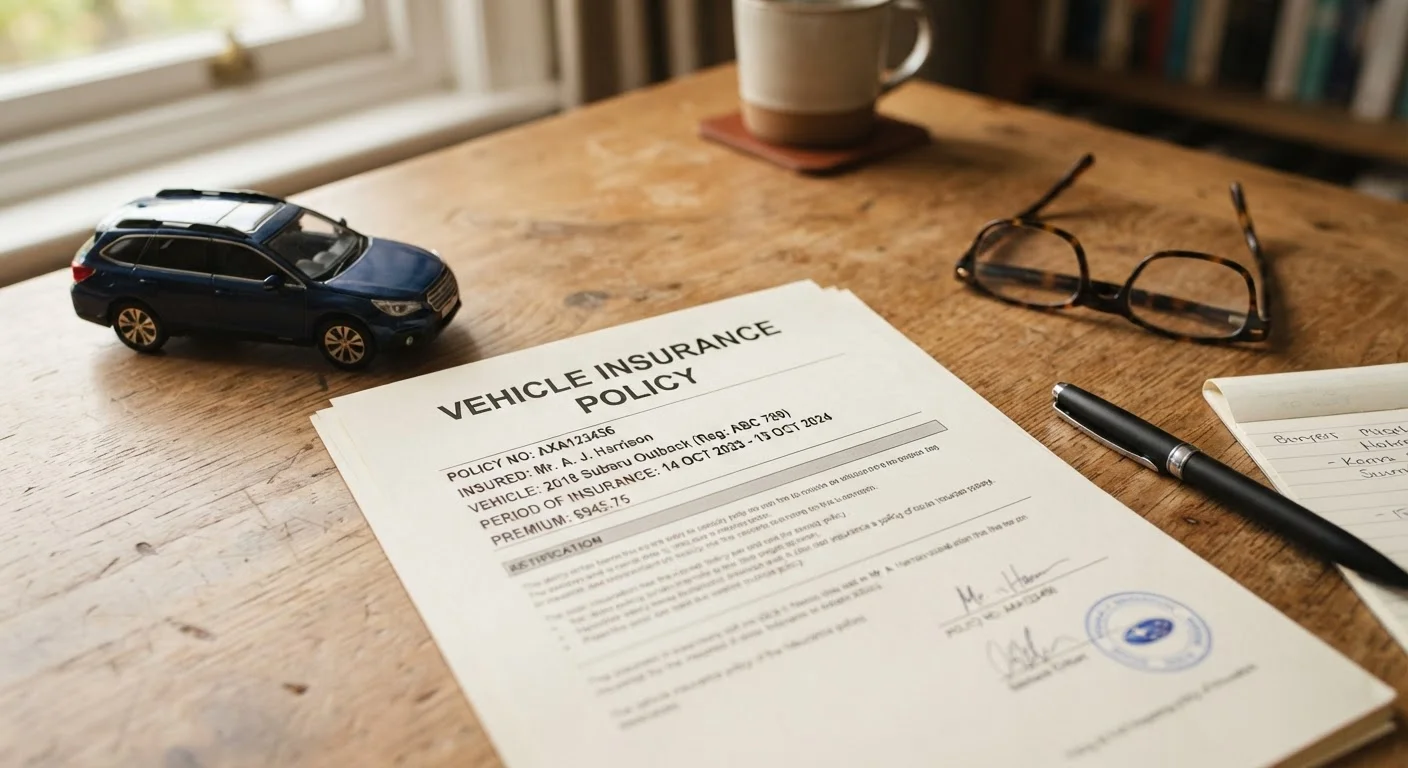
Photo: UltraSearches.com | Search Results You Can Trust editorial
Key Takeaways
- Liability coverage pays for damage and injuries you cause to others - not damage to your own vehicle.
- Collision coverage pays for your vehicle's damage after an accident, regardless of fault.
- Comprehensive coverage handles non-collision events like theft, hail, and animal strikes.
- Standard auto policies typically exclude rideshare use, business driving, and mechanical breakdowns.
- Coverage limits and deductibles directly affect how much you actually receive after a claim.
- Reading your declarations page and policy exclusions is the only reliable way to know what you have.
The Building Blocks of a Standard Auto Policy
Most standard auto insurance policies are not a single blanket protection - they are a bundle of separate coverage types, each with its own rules. Understanding what each piece does is the foundation of knowing what you actually have. For a broader orientation, see Auto Insurance Basics Every Driver Should Understand before diving into the details here.
The most common coverage types you will find in a personal auto policy include:
- Bodily Injury Liability (BI): Pays for medical expenses, lost wages, and legal costs for other people injured in an accident you caused.
- Property Damage Liability (PD): Pays for damage you cause to someone else's vehicle or property.
- Collision: Pays to repair or replace your vehicle after a collision with another car or object, regardless of who is at fault.
- Comprehensive: Pays for vehicle damage from non-collision events - theft, fire, hail, flooding, vandalism, or striking an animal.
- Uninsured/Underinsured Motorist (UM/UIM): Protects you when the at-fault driver carries no insurance or not enough to cover your losses.
- Medical Payments (MedPay) or Personal Injury Protection (PIP): Covers medical expenses for you and your passengers after an accident, regardless of fault. PIP, required in no-fault states, may also cover lost wages.
~13%
Estimated share of U.S. drivers uninsured
According to the Insurance Research Council, roughly one in eight drivers on U.S. roads carries no auto insurance, underscoring the practical value of uninsured motorist coverage.
49 states
States requiring some form of liability coverage
All U.S. states except New Hampshire mandate that drivers carry minimum liability insurance or demonstrate comparable financial responsibility.
12 states
No-fault states requiring Personal Injury Protection
In these states, drivers must carry PIP coverage, which pays their own medical expenses after an accident regardless of who caused it, reducing the need to establish fault for initial medical bills.
What Liability Coverage Does - and Doesn't - Protect
Liability coverage is the only type required in nearly every U.S. state, yet it is widely misunderstood. The key point: liability pays for harm you cause to others, not for losses you suffer yourself. If you rear-end another driver and injure them, your bodily injury liability pays their medical bills. Your property damage liability pays to fix their car. Neither coverage touches your own medical costs or your vehicle's repair bill.
State minimum liability limits are often expressed as three numbers - for example, 25/50/25 - representing $25,000 per injured person, $50,000 per accident, and $25,000 for property damage. These minimums can fall far short in a serious accident. When damages exceed your policy limits, you are personally responsible for the difference. Some drivers choose to extend coverage with an umbrella policy; see how an umbrella policy extends your auto coverage for details on how that layering functions.
Check Your Limits Before You Need Them
Common Coverage Gaps in a Standard Policy
Even a well-rounded policy has exclusions - events or circumstances the insurer will not pay for. Knowing where the gaps tend to appear prevents unpleasant surprises at claim time. Familiarizing yourself with key insurance terms like exclusions and endorsements helps you read these sections accurately.
Situations typically not covered by a standard personal auto policy:
- Business or commercial use: Using your personal vehicle for deliveries, rideshare driving, or other commercial purposes is usually excluded unless you add an endorsement or obtain a separate commercial policy.
- Mechanical breakdown: Neither collision nor comprehensive covers engine failure, transmission problems, or other mechanical wear. That falls under vehicle warranties or a separate mechanical breakdown policy.
- Custom equipment: Aftermarket modifications - upgraded sound systems, custom rims, lift kits - may not be covered under a standard policy without a specific endorsement.
- Personal belongings inside the vehicle: A stolen laptop or bag left in your car is not covered by comprehensive. That type of loss typically falls under homeowners or renters insurance.
- Intentional damage: Damage you cause deliberately is never covered.
- Driving outside the U.S.: Most U.S. policies provide limited or no coverage in other countries. Driving into Mexico, for example, typically requires a separate Mexican auto insurance policy.
Endorsements Can Fill Common Gaps
How to Read Your Own Policy for the Real Answers
The declarations page of your policy - often called the "dec page" - is a one- or two-page summary showing your coverage types, limits, deductibles, and the vehicles listed. It is the fastest reference for understanding what you have purchased. However, the declarations page does not contain the full story. The exclusions section of the actual policy document is where limits on coverage are defined, and it is often the section most policyholders never read.
A similar principle applies to homeowners policies - see how to read a home insurance declarations page for a parallel walkthrough. The practice of reading both documents side by side can reveal gaps or overlaps in your overall protection.
When reviewing your auto policy, look for:
- Your liability limits - are they sufficient given your assets and driving habits?
- Whether collision and comprehensive are included - lenders usually require both for financed vehicles.
- Your deductible amounts - higher deductibles lower your premium but raise your out-of-pocket cost per claim.
- Any endorsements (add-ons) you have purchased, such as roadside assistance or rental reimbursement.
- Named exclusions that apply to your specific situation.
This article is for general informational purposes only and does not constitute personalized insurance, financial, or legal advice. Coverage terms, exclusions, and state requirements vary by provider and location. Always read your actual policy documents and consult a licensed insurance agent or adviser for guidance specific to your situation.
Frequently Asked Questions
The content on this site is for informational purposes only and is not a substitute for professional advice. Always consult a qualified professional for guidance specific to your situation.