
Things That Quietly Raise Your Car Insurance Premium

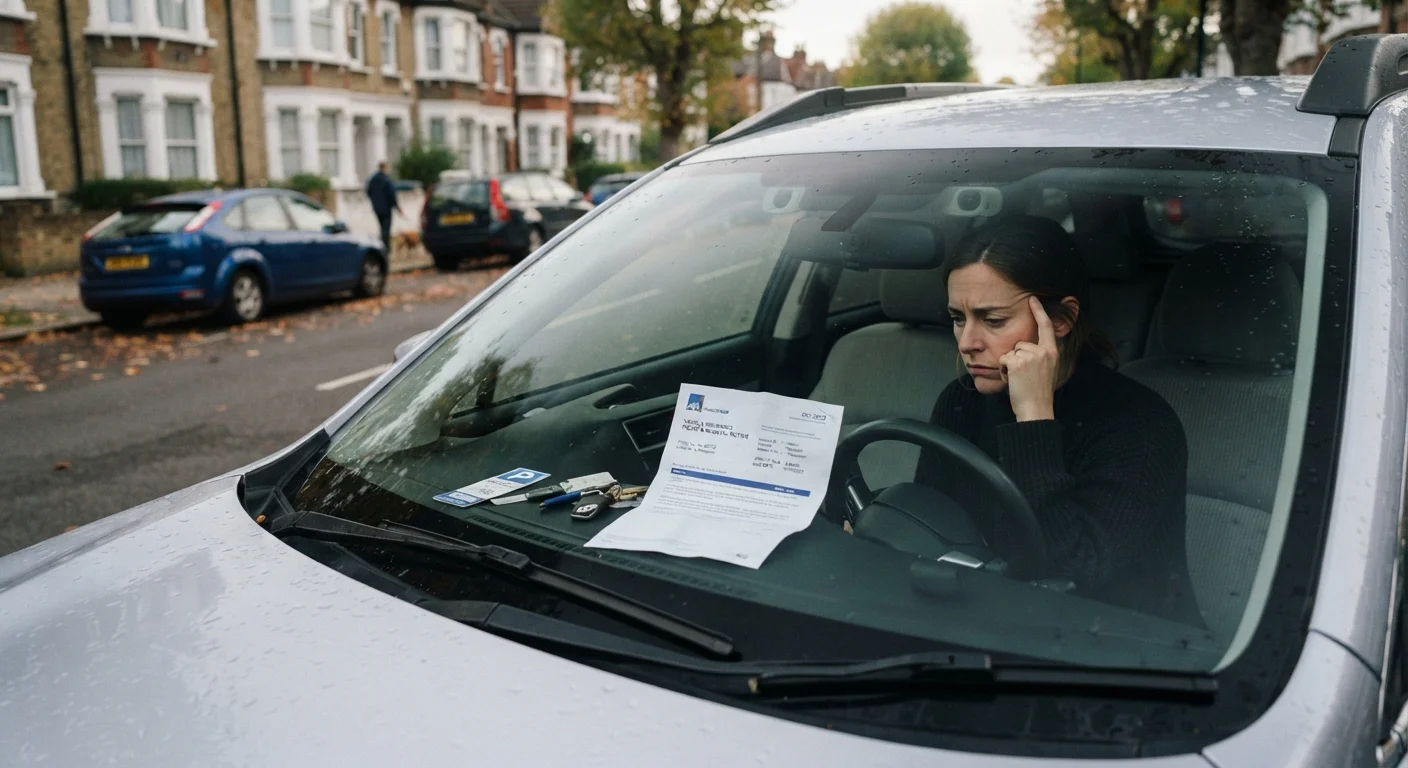
Photo: UltraSearches.com | Search Results You Can Trust editorial
Key Takeaways
- Your credit-based insurance score can significantly affect your premium in most U.S. states.
- Moving to a new ZIP code - even nearby - can change what you pay for coverage.
- Letting your policy lapse, even briefly, is often treated as a risk signal by insurers.
- Adding a young or inexperienced driver to a policy typically triggers a noticeable rate increase.
- Annual mileage and how you use your vehicle both factor into how insurers price your risk.
What's Driving Your Premium Up Without You Realizing It
Most drivers expect their auto insurance premium to rise after a speeding ticket or an at-fault accident. What catches people off guard are the quieter triggers - changes in circumstances, personal finances, or even inaction - that can push rates upward without any incident on the road.
Auto insurance pricing is more nuanced than many consumers realize. Insurers use a range of rating factors beyond your driving record to assess risk, and some of those factors shift regularly whether or not you're paying attention. Understanding them is the first step toward managing what you pay. For a broader look at how insurers construct your rate, see how insurers determine your auto and home premiums.
A drop in your credit-based insurance score
In most U.S. states, insurers are permitted to use a credit-based insurance score - a metric derived from your credit history but distinct from a traditional FICO score - as a rating factor. Statistically, insurers have found a correlation between certain credit patterns and the likelihood of filing a claim, which is how this practice is justified to regulators.
A missed payment, a sharp increase in credit card utilization, or other credit-damaging behaviors can quietly lower this score and push your premium upward at renewal - even if your driving record hasn't changed. For more on the behaviors that erode credit over time, see habits that silently erode a good credit score.
Note: California, Hawaii, Massachusetts, and Michigan prohibit or restrict the use of credit in auto insurance rating.
A drop in credit score can raise your premium even with a spotless driving record.
Moving to a different ZIP code
Where you garage your vehicle matters substantially to insurers. ZIP codes carry different risk profiles based on local accident rates, vehicle theft statistics, population density, weather patterns, and the cost of local auto repair labor. Moving across town - or even a few miles - can land you in a rating territory with a meaningfully different baseline rate.
Urban ZIP codes typically carry higher premiums than rural or suburban ones, though there are exceptions. If you relocate, notify your insurer promptly; failing to report an address change can create coverage complications and may be considered a material misrepresentation on your policy.
Moving even a few miles can shift you into a higher-risk rating territory.
Adding a young or inexperienced driver
When a teenage or newly licensed driver joins a household policy, insurers adjust the premium to reflect that driver's statistical risk profile. Young drivers - particularly males under 25 - are involved in accidents at higher rates than other age groups, according to federal traffic safety data, and that elevated risk is reflected in pricing.
The increase can be substantial. Even if the young driver primarily uses a lower-value vehicle in the household, their presence on the policy will typically affect the overall rate. Some insurers offer discounts for good academic performance or completion of a recognized driver training program, which can offset part of the increase.
A teenage driver on your policy can trigger one of the largest single-factor premium increases.
A lapse in continuous coverage
Insurers generally reward uninterrupted coverage history with better rates. If your policy lapses - because you forgot to renew, let it cancel while between vehicles, or simply went uninsured for a period - many insurers treat that gap as a risk signal when you reapply or renew.
Even a brief lapse of 30 days or less can result in a higher starting rate. Longer gaps often produce more significant surcharges. If you're selling a vehicle and won't immediately replace it, it's worth speaking with your insurer about maintaining a named non-owner policy to preserve your continuous coverage status.
Even a short lapse in coverage can reset your pricing history at renewal.
Increased annual mileage or a change in vehicle use
The more miles you drive, the more exposure you have to potential accidents - a straightforward logic that insurers build into their pricing. If you start a new job with a longer commute, begin using your personal vehicle for rideshare or delivery work, or otherwise drive significantly more than when you first purchased the policy, your risk profile changes.
Using a personal vehicle for business or rideshare purposes without notifying your insurer can also create coverage gaps: many standard personal auto policies explicitly exclude commercial use. Accurately reporting your estimated annual mileage and vehicle use at each renewal helps ensure you have the right coverage at a rate that reflects your actual situation.
Higher annual mileage and commercial vehicle use can both drive premiums upward.
Local claims trends in your area
This one is almost entirely outside your control: insurers periodically adjust rates across entire rating territories based on the aggregate claims experience in that area. If auto theft, severe weather events, or accident rates have increased in your region, all policyholders in that territory may see rate adjustments at renewal - regardless of their personal claims history.
This is why two drivers with identical profiles might pay different premiums simply because they live in different cities. It also explains why premiums can rise even in years when you've had zero incidents. Comparing quotes from multiple licensed insurers periodically can help you understand whether your current rate reflects the market.
Rising local claims - theft, weather, accidents - can raise everyone's rates in a given area.
Review Your Policy Before Renewal, Not After
Staying Informed Helps You Stay in Control
None of these factors are permanent, and awareness is the practical starting point. Reviewing your policy annually - especially after life changes like a move, a new household member, or a shift in how much you drive - gives you a realistic picture of where you stand. For a structured approach to that review, reviewing your insurance coverage after a major life change offers a useful checklist.
Also worth noting: separating fact from assumption about insurance rating can save real money. Common misconceptions - about car color, vehicle age, or what factors insurers actually weigh - are addressed in auto insurance myths that cost drivers real money.
This article is for general informational purposes only and does not constitute personalized insurance, financial, or legal advice. Coverage terms, rating factors, and regulations vary by insurer and by state. Consult a licensed insurance agent or adviser regarding your specific policy and circumstances.
State Regulations Shape What Insurers Can Use
The content on this site is for informational purposes only and is not a substitute for professional advice. Always consult a qualified professional for guidance specific to your situation.