
What an Odometer Reading Can-and Cannot-Tell You About a Used Car

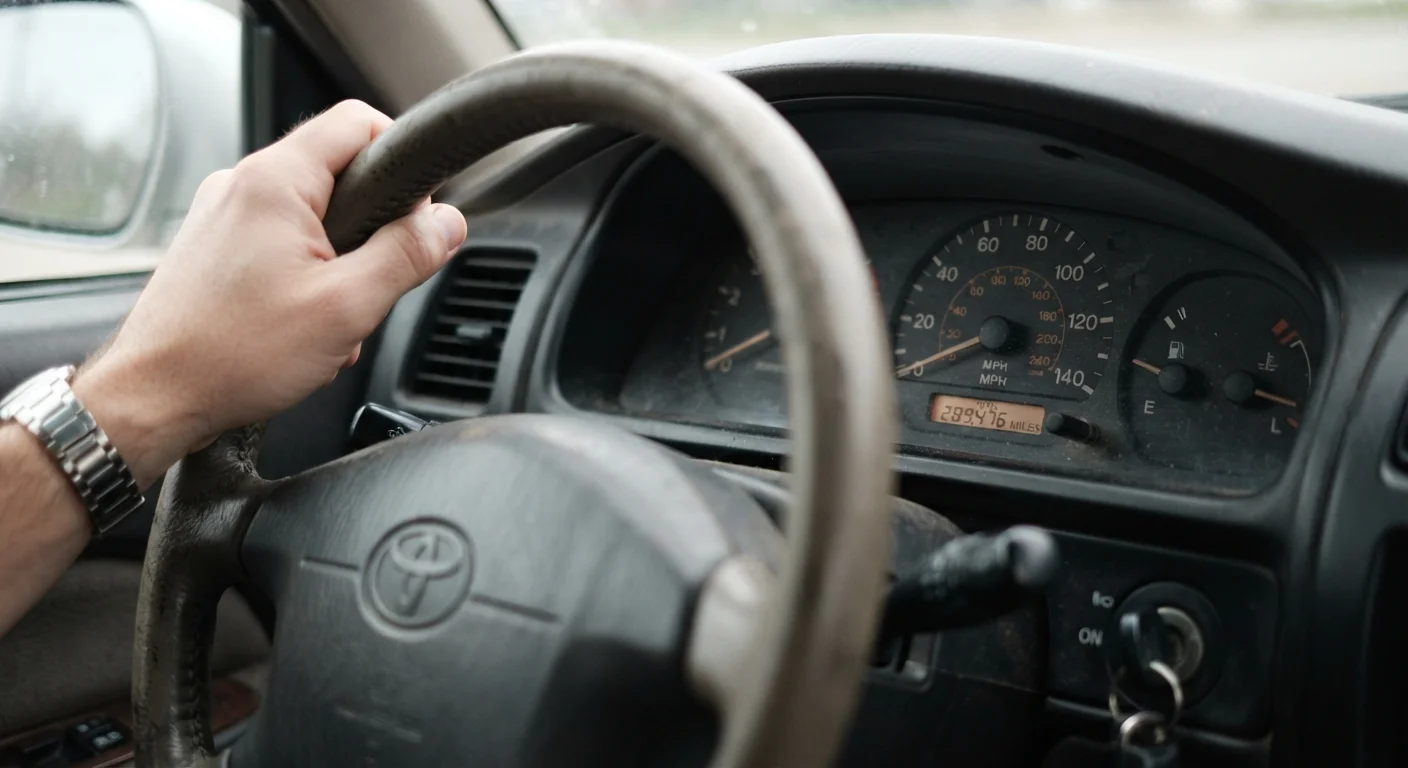
Photo: UltraSearches.com | Search Results You Can Trust editorial
Key Takeaways
- Mileage is one data point among many - maintenance history and use type matter just as much.
- Highway miles generally cause less wear than the same number of city miles.
- A vehicle history report can flag odometer discrepancies and past title issues.
- High-mileage vehicles that were well maintained can outlast low-mileage cars that were neglected.
- Always pair an odometer reading with a pre-purchase inspection by a qualified mechanic.
What the Number Actually Measures
An odometer records cumulative distance traveled - nothing more. It doesn't capture how aggressively the car was driven, whether it spent years idling in traffic, or if it towed heavy loads every weekend. Two cars with identical odometer readings can be in dramatically different mechanical states depending on how those miles were put on.
Think of mileage the way you might think of age for a person: it provides useful context, but it doesn't tell the whole story. A car driven primarily on smooth interstate highways at steady speeds puts far less strain on its engine, brakes, and suspension than one navigating potholed city streets with constant stop-and-go cycling. Use type is a critical variable the odometer simply cannot communicate.
~15,000
Average miles driven per year by U.S. drivers
The Federal Highway Administration reports Americans drive roughly 13,500-15,000 miles annually on average, making it a useful baseline for evaluating whether a used car's mileage is above or below typical for its age.
~1 in 10
Used vehicles affected by odometer fraud (estimated)
The National Highway Traffic Safety Administration has historically estimated that odometer fraud affects a significant share of used vehicle transactions annually, costing buyers billions of dollars.
When High Mileage Isn't a Dealbreaker
Modern engineering has pushed reliable vehicle lifespans well past what earlier generations expected. Many well-maintained cars routinely reach 150,000 to 200,000 miles without major mechanical failures. The key phrase is well maintained. If a seller can produce documented service records - oil changes at appropriate intervals, timing belt or chain replacements, brake and fluid services - high mileage becomes far less alarming.
For drivers considering a high-mileage vehicle, our guide on keeping a high-mileage car on the road covers which systems demand closer attention and what maintenance priorities shift once a vehicle crosses the 100,000-mile mark.
Always Get a Pre-Purchase Inspection
How to Put Mileage in Context
Rather than treating the odometer reading as a pass/fail score, use it as one input in a broader evaluation framework:
- Vehicle history report: Services that compile title, registration, and reported mileage data across a vehicle's life can reveal odometer discrepancies, accident history, and whether the car was used as a rental, fleet, or commercial vehicle - all factors that can affect wear patterns.
- Maintenance records: Paper or digital service logs are among the most valuable documents a seller can provide. Gaps in service history are worth investigating.
- Pre-purchase inspection: A qualified mechanic can assess wear on brakes, tires, suspension, and the engine in ways no document can replicate. This step is especially important for private-party purchases.
- Use type: A car used primarily for highway commuting will typically show less wear than its mileage suggests; a vehicle used for delivery or rideshare may show more.
It's also worth noting that some maintenance myths persist around mileage - for example, the assumption that all cars need an oil change every 3,000 miles regardless of manufacturer guidance. For more on separating durable automotive facts from outdated advice, see common beliefs about car maintenance that don't hold up.
The Legal Side: Odometer Disclosure and Fraud
Federal law requires sellers to disclose the odometer reading when a vehicle title is transferred. Intentionally falsifying that reading is a federal crime under the Truth in Mileage Act, carrying significant civil and criminal penalties. Despite this, odometer fraud does occur, and buyers should take reasonable precautions.
Cross-referencing the dashboard reading against the title, a vehicle history report, and any inspection stickers visible inside the door jamb or engine bay can surface inconsistencies. Physical signs of wear - heavily worn pedals, seats, or steering wheel on a claimed low-mileage car - can also prompt useful questions. If something doesn't add up, trust that instinct and investigate further before completing a purchase.
This article is for general informational purposes only and does not constitute legal, financial, or mechanical advice. Consult a qualified mechanic and appropriate professionals before making vehicle purchase decisions.
Frequently Asked Questions
The content on this site is for informational purposes only and is not a substitute for professional advice. Always consult a qualified professional for guidance specific to your situation.