
Meditation vs. Deep Breathing: Two Calming Practices, Different Uses

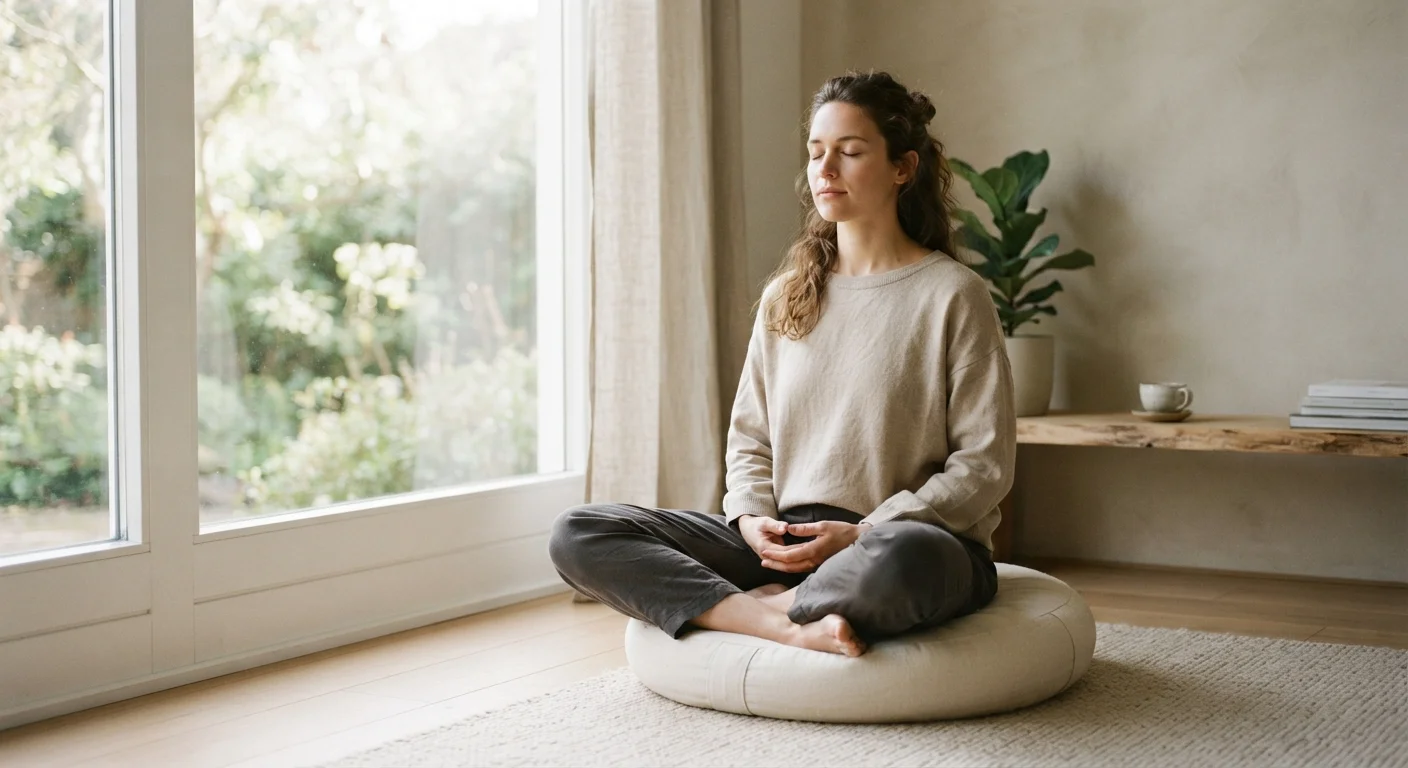
Photo: UltraSearches.com | Search Results You Can Trust editorial
Key Takeaways
- Deep breathing works quickly by activating the body's parasympathetic nervous system response.
- Meditation builds cumulative mental resilience through regular, sustained practice over time.
- Both practices are evidence-backed and can be used together as complementary tools.
- Neither requires special equipment, making them accessible for most everyday Americans.
- Consult a qualified healthcare professional if stress or anxiety significantly disrupts daily life.
How Each Practice Actually Works
Meditation and deep breathing are often grouped together under the broad umbrella of mindfulness, but they operate through distinct mechanisms. Understanding these differences helps you choose the right tool for the right moment.
Deep breathing works primarily through the body. When you slow and deepen your breath - particularly lengthening the exhale - you stimulate the vagus nerve and activate the parasympathetic nervous system, sometimes called the "rest and digest" response. This directly counteracts the stress-driven "fight or flight" state, lowering heart rate, reducing cortisol, and relaxing muscle tension. Common techniques include diaphragmatic (belly) breathing, box breathing (inhale, hold, exhale, hold for equal counts), and 4-7-8 breathing. Effects can begin within a few minutes.
Meditation is a broader practice that trains attention and awareness over time. Most forms - including mindfulness meditation, body-scan meditation, and loving-kindness meditation - involve deliberately directing and sustaining focus, then noticing when the mind wanders and gently returning attention. This repeated mental exercise, practiced regularly, is associated with structural and functional changes in areas of the brain linked to stress response, emotion regulation, and self-awareness. Unlike deep breathing, meditation's most significant benefits tend to accumulate gradually with consistent practice.
| Criterion | Meditation | Deep Breathing |
|---|---|---|
| Time to see effects | Weeks of consistent practice | Within minutes |
| Learning curve | Moderate - benefits from guidance | Low - learned almost immediately |
| Primary mechanism | Attention and awareness training | Autonomic nervous system regulation |
| Session length | Typically 10-20 minutes | As little as 2-5 minutes |
| Best application | Long-term resilience and focus | Acute stress relief in the moment |
| Equipment needed | None (apps optional) | None |
| Research depth | Extensive, growing body of evidence | Well-established physiological basis |
Evidence Behind the Benefits
Both practices have meaningful research support, though the depth and type of evidence differs. It's important to note that this is general health information - not a substitute for personalized medical guidance.
Deep breathing's stress-reduction effects are relatively well-established and fast-acting. Studies examining controlled breathing techniques consistently show reductions in self-reported anxiety and measurable physiological markers of stress, such as heart rate variability. Because the mechanism is direct - breath rate influences the autonomic nervous system - the effect is largely immediate and reproducible.
Meditation research has grown substantially over the past two decades. Reviews of mindfulness-based stress reduction (MBSR) - an eight-week structured program developed at the University of Massachusetts Medical School - have found meaningful improvements in anxiety, depression symptoms, and perceived stress. Neuroimaging studies suggest that long-term meditators show differences in brain regions associated with attention and emotional reactivity, though researchers note that study designs vary and more rigorous long-term trials are still needed.
8 weeks
Duration of MBSR program showing anxiety reduction
Mindfulness-Based Stress Reduction, developed at UMass Medical School, is one of the most studied structured meditation programs for stress and anxiety.
~2-5 min
Time for controlled breathing to affect heart rate
Research on slow-paced breathing techniques consistently shows measurable changes in heart rate variability within just a few minutes of practice.
If you're uncertain whether everyday pressure has shifted into something more persistent, see our guide to recognizing when stress warrants attention.
Practical Differences: Time, Effort, and Learning Curve
One of the most honest distinctions between these two practices is how much investment they require upfront.
Deep breathing can be learned in minutes and applied anywhere - during a work meeting, before a difficult conversation, or in the middle of a sleepless night. There's no app required, no quiet room needed, and no prior experience necessary. This immediacy is its greatest strength. For people building an evening wind-down routine, a few minutes of controlled breathing before bed is an easy, low-friction addition.
Meditation, by contrast, has a steeper initial learning curve. Beginners frequently report frustration that their mind won't stay quiet - but this misunderstands the practice. The goal isn't a blank mind; it's noticing distraction and returning focus. That said, building a consistent habit typically takes weeks, and many people find guided sessions (through apps, classes, or recorded programs) helpful at the start. The payoff is a practice that supports not just in-the-moment calm but longer-term emotional regulation and resilience.
Many people find the two work well together: deep breathing as an immediate tool, and meditation as an ongoing habit. This aligns with what behavioral research suggests about effective stress management - layered, realistic strategies tend to outperform single-solution approaches. For a broader perspective on what actually helps versus what just feels productive, see why self-care advice often misses the mark.
When to Seek Professional Support
This article is for general informational purposes only and is not a substitute for professional medical or mental health advice. If stress, anxiety, or related symptoms are significantly affecting your daily life, please consult a qualified healthcare provider.
The content on this site is for informational purposes only and is not a substitute for professional advice. Always consult a qualified professional for guidance specific to your situation.