
Popular Diet Patterns Side by Side: Mediterranean, DASH, and Plant-Based

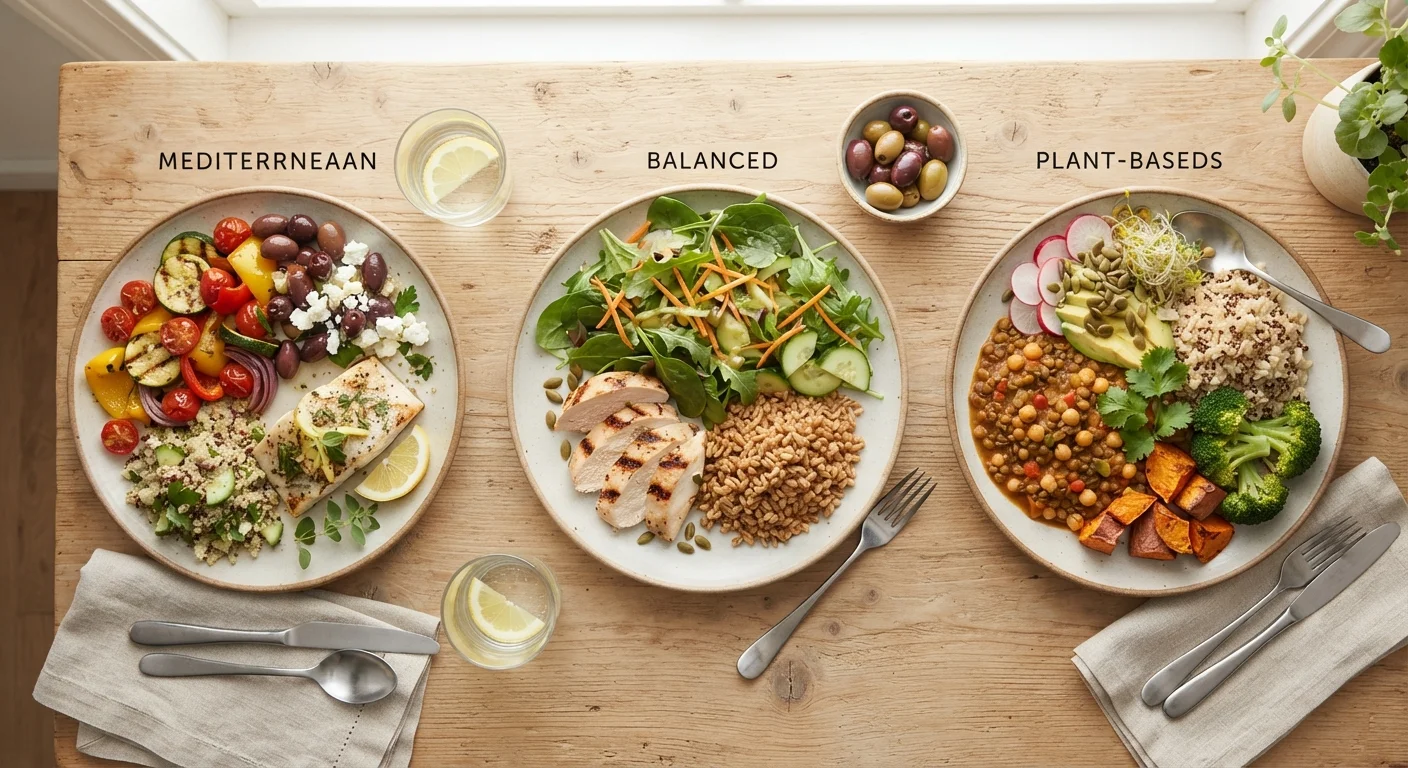
Photo: UltraSearches.com | Search Results You Can Trust editorial
Key Takeaways
- Mediterranean, DASH, and plant-based diets all have meaningful research support and share emphasis on whole foods.
- DASH was specifically designed to address blood pressure; Mediterranean and plant-based diets have broader cardiovascular and metabolic evidence.
- None of these patterns are rigid prescriptions - each allows flexibility in how they are adopted day to day.
- Individual health history, preferences, and goals should guide which pattern is most appropriate for you.
- Consulting a registered dietitian can help personalize any of these frameworks to your specific needs.
What Each Pattern Actually Emphasizes
Despite frequent comparisons, the Mediterranean, DASH, and plant-based diets have meaningfully different origins and emphases. Understanding what each prioritizes - not just what it restricts - is the starting point for a fair comparison.
Mediterranean diet: Rooted in the traditional eating habits of countries bordering the Mediterranean Sea, this pattern emphasizes vegetables, fruits, legumes, whole grains, nuts, and olive oil as its fat source. Fish and seafood are eaten regularly; poultry and dairy in moderation; and red meat sparingly. Moderate wine consumption is culturally associated with this pattern, though it is not a recommended health strategy.
DASH diet: The Dietary Approaches to Stop Hypertension (DASH) plan was developed specifically to address high blood pressure through diet. It is rich in potassium, magnesium, and calcium, emphasizing vegetables, fruits, whole grains, and low-fat dairy while limiting sodium, saturated fat, and added sugars. Unlike Mediterranean, it was designed in a clinical context and comes with more specific nutrient targets.
Plant-based diet: This is a broad category ranging from flexitarian (mostly plant foods, occasional animal products) to fully vegan (no animal products). The unifying emphasis is on vegetables, legumes, whole grains, fruits, nuts, and seeds - with animal foods reduced or eliminated. It is the only pattern here that may require targeted supplementation for nutrients such as vitamin B12, iron, and omega-3 fatty acids. For more on that, see getting enough nutrients on a plant-based diet.
| Mediterranean | DASH | Plant-Based | |
|---|---|---|---|
| Primary focus | Whole foods, healthy fats, moderate fish | Blood pressure reduction via specific nutrients | Minimizing or eliminating animal products |
| Animal products allowed | Yes, in moderation | Yes, including low-fat dairy | Reduced or eliminated |
| Sodium restriction | Not a specific target | Core component | Varies by individual approach |
| Strength of evidence | Very strong, long-term RCT and cohort data | Strong, direct clinical trials on blood pressure | Growing, largely observational |
| Supplementation needed | Generally not required | Generally not required | Often needed (B12, D, iron, omega-3) |
| Flexibility | High | Moderate | Low to high depending on strictness |
| Best-supported use case | Cardiovascular and metabolic health | Hypertension prevention and management | Cardiovascular health, ethical/environmental goals |
What the Evidence Shows
Each pattern has a substantial body of research, though the depth and type of evidence varies.
The Mediterranean diet is one of the most studied dietary patterns in the world. Research has associated it with reduced risk of cardiovascular disease, type 2 diabetes, and cognitive decline, as well as lower overall mortality in some long-term cohort studies. The PREDIMED trial, a large randomized controlled study, found associations between Mediterranean-style eating and reduced major cardiovascular events, though it should be noted the results apply to higher-risk populations.
DASH has strong, direct clinical evidence supporting its effect on systolic and diastolic blood pressure, including in people who do not yet have hypertension. It aligns closely with the DGA and is consistently recommended by major health organizations for cardiovascular risk management.
Plant-based diets have growing evidence linking them to lower rates of heart disease, type 2 diabetes, and certain cancers, though study designs vary widely. Much of the research is observational, and the quality of a plant-based diet matters significantly - a diet of processed plant foods does not carry the same associations as one centered on whole plants.
~30%
Reduced major cardiovascular events
The PREDIMED trial found approximately a 30% lower rate of major cardiovascular events in high-risk adults following a Mediterranean diet supplemented with olive oil or nuts, compared to a low-fat control diet.
8-14 mmHg
Systolic blood pressure reduction with DASH
Clinical studies on the DASH diet have shown it can reduce systolic blood pressure by roughly 8 to 14 mmHg in people with hypertension, according to findings published in the New England Journal of Medicine.
~25%
Lower ischemic heart disease risk
A large Oxford University analysis found vegetarians had approximately 25% lower risk of ischemic heart disease compared to meat eaters, though confounding lifestyle factors were acknowledged.
For a broader look at which habits have the most consistent research backing, see the eating habits research actually supports.
Practicality, Flexibility, and Common Challenges
Research backing matters, but so does whether a pattern fits real life. Each of these diets presents different practical considerations.
You Don't Have to Choose Just One
The Mediterranean diet is widely regarded as one of the more flexible and socially compatible eating patterns. It does not eliminate food groups, allows for cultural variation, and can be adapted gradually. Its main challenge for some people is cost - olive oil, fish, and fresh produce can be more expensive depending on where you live.
DASH requires more deliberate attention to sodium, which means reading food labels and limiting restaurant meals - both of which demand consistent effort. For people managing hypertension under medical supervision, this specificity is a strength; for those looking for a general eating framework, it can feel more prescriptive.
Plant-based diets vary enormously in difficulty depending on how strictly they are interpreted. A flexitarian approach is relatively low-barrier; a fully vegan diet requires more meal planning, label reading, and in many cases supplementation. Social situations and dining out can be more complex. That said, plant-based eating has become increasingly accessible in most American cities and grocery stores.
It's worth remembering that no eating pattern operates in isolation. As explored in why diets that work for others may not work for you, individual factors like genetics, gut microbiome composition, and health history significantly influence how any dietary pattern affects a given person.
If you're looking for practical ways to structure meals without rigid rules, building a balanced plate without counting every calorie offers flexible frameworks worth exploring.
This article is for general informational and educational purposes only and is not a substitute for personalized medical or nutritional advice. Please consult a qualified healthcare provider or registered dietitian before making significant changes to your diet, particularly if you have existing health conditions.
The content on this site is for informational purposes only and is not a substitute for professional advice. Always consult a qualified professional for guidance specific to your situation.