
Getting Enough Nutrients on a Plant-Based Diet

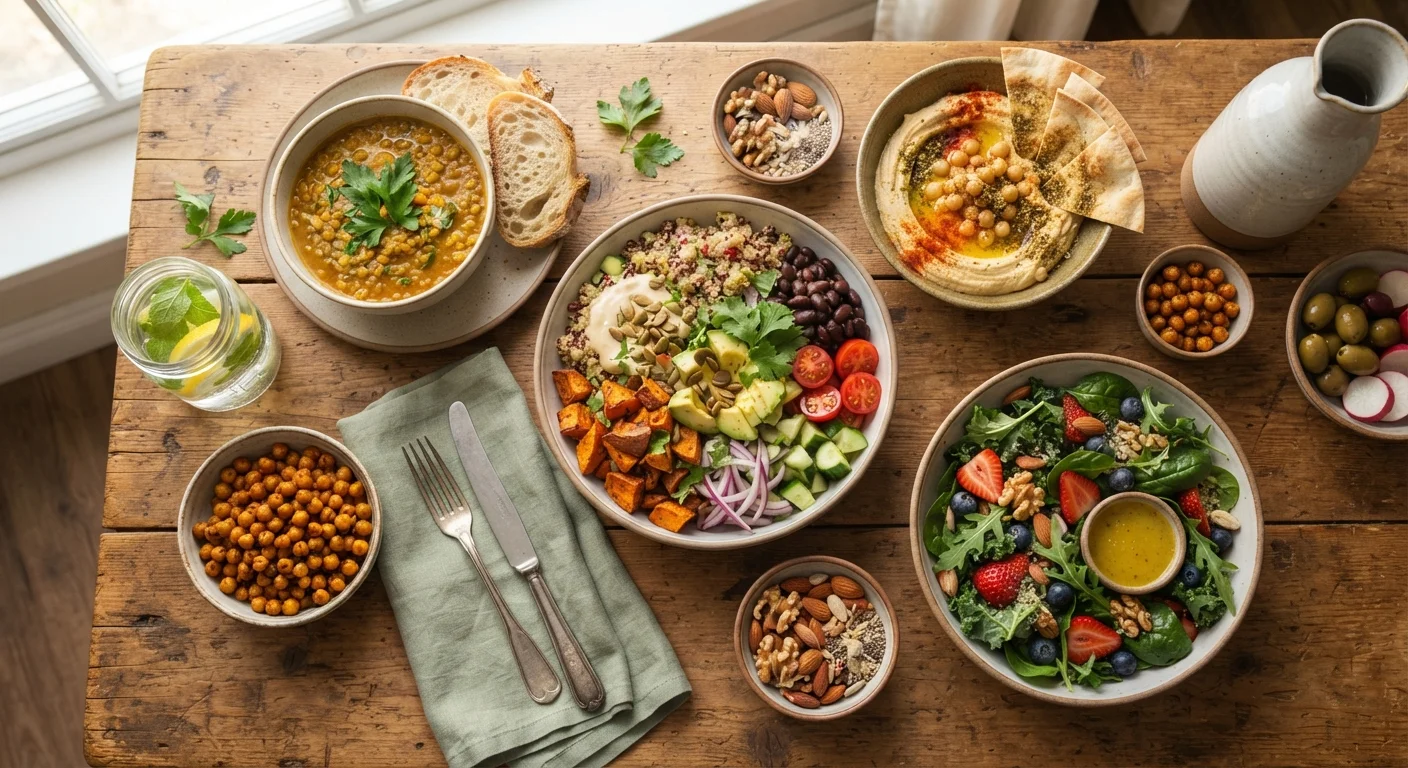
Photo: UltraSearches.com | Search Results You Can Trust editorial
Key Takeaways
- Vitamin B12 is not reliably available from plant foods and typically requires supplementation.
- Certain minerals like iron and zinc are less readily absorbed from plant sources than animal sources.
- Pairing iron-rich plant foods with vitamin C can meaningfully improve absorption.
- Omega-3 fatty acids from plants are present but may not convert efficiently to active forms in the body.
- Regular check-ins with a healthcare provider or registered dietitian help catch nutritional gaps early.
- Most nutrient needs on a plant-based diet can be met through diverse, whole-food choices and targeted supplementation.
Why Nutrient Planning Matters on a Plant-Based Diet
Plant-based eating - whether fully vegan, vegetarian, or simply plant-forward - is associated with a range of health benefits, including lower rates of heart disease and type 2 diabetes in observational research. However, eliminating or reducing animal products also removes some of the most concentrated dietary sources of certain essential nutrients.
This doesn't mean a plant-based diet is inherently deficient. It means specific nutrients deserve deliberate attention. The checklist below is designed to help you audit your current eating habits, identify potential gaps, and make informed adjustments - not to replace personalized guidance from a qualified healthcare professional or registered dietitian.
For a broader look at how plant-based eating compares to other evidence-based patterns, see Mediterranean, DASH, and plant-based diets compared. And if you're curious about the dietary habits that have the strongest research backing overall, this overview of research-supported eating habits is a useful starting point.
This Checklist Is Not Medical Advice
Tools and Resources to Have on Hand
Before working through the checklist, it helps to have a few practical resources available. None of these are required purchases - many are free or already within reach.
Food and Nutrition Labels
Check for fortification levels of B12, calcium, vitamin D, and iron in plant milks, cereals, and other packaged foods.
Registered Dietitian (RD)
Provides personalized nutrient assessment and meal planning tailored to your health status, activity level, and dietary preferences.
Healthcare Provider / Primary Care Physician
Orders blood tests to monitor key nutrient markers and advises on whether supplementation is appropriate for your situation.
Iodized Salt
A straightforward dietary source of iodine, which can be difficult to obtain consistently on a fully plant-based diet.
Meal Planning Notebook or App
Helps track variety across food groups over the week, making it easier to spot recurring gaps in your intake.
The Plant-Based Nutrient Checklist
Use this checklist as a self-audit. Work through each group to identify where your diet is already strong and where you may want to make adjustments or seek professional input.
Vitamin B12
Iron
Calcium and Vitamin D
Omega-3 Fatty Acids
Zinc and Iodine
Protein Adequacy
Professional Check-In
Supplements Are Not a Nutritional Free Pass
Special Populations Need Closer Guidance
Understanding how vitamins and minerals work together can also sharpen your food choices. How vitamins and minerals differ and why both matter offers a clear breakdown. For practical meal-structuring ideas that don't require obsessive tracking, see building a balanced plate without counting every calorie.
Making It Work Day to Day
Achieving nutritional balance on a plant-based diet is realistic for most people, but it benefits from genuine planning - especially in the early stages. Variety is one of the most protective strategies: a diet that rotates broadly across legumes, whole grains, vegetables, fruits, nuts, and seeds is far less likely to develop consistent gaps than one anchored to a narrow set of foods.
Cost is a common concern. Staples like dried lentils, canned beans, tofu, oats, and frozen vegetables are among the most affordable foods available. Eating well on a budget covers practical strategies for keeping plant-based eating both nutritious and affordable. Fiber intake - something many plant-based eaters actually exceed - is worth understanding on its own terms too; fiber and why most Americans don't get enough provides helpful context.
Finally, pairing plant-based nutrition with consistent physical activity supports overall health outcomes. Fitness and exercise resources can help you build sustainable movement habits alongside your dietary changes.
This article is for general informational and educational purposes only and is not a substitute for professional medical or nutritional advice. Always consult a qualified healthcare provider or registered dietitian before making significant changes to your diet, particularly if you have an existing health condition or are in a special population group such as pregnancy, older adulthood, or childhood.
The content on this site is for informational purposes only and is not a substitute for professional advice. Always consult a qualified professional for guidance specific to your situation.