Home Appliances

Why Your Refrigerator Works Harder Than It Should — and What to Do About It

Why Your Refrigerator Works Harder Than It Should — and What to Do About It

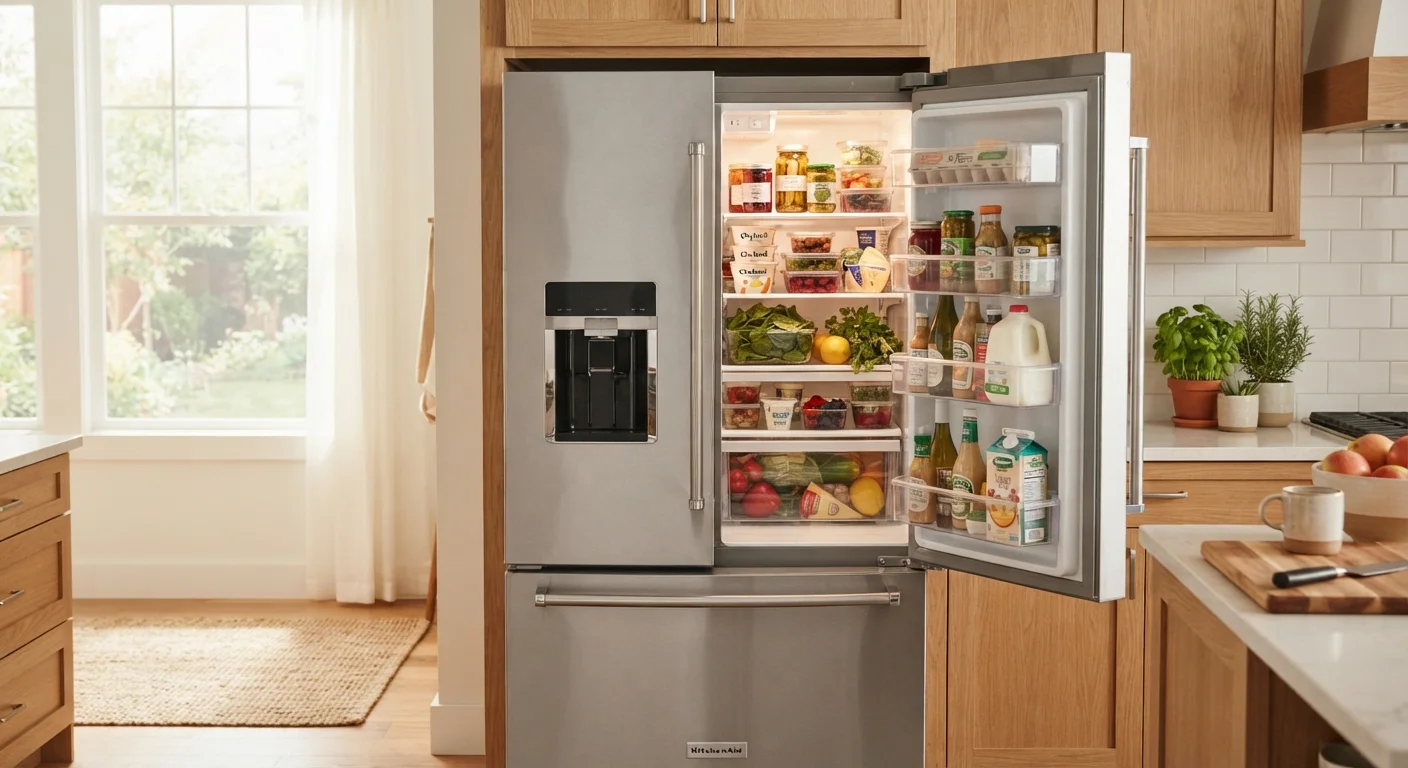
Photo: UltraSearches.com | Search Results You Can Trust editorial

Coil buildup, poor door seals, and overpacking are quietly raising your energy bill. Learn how to spot and fix the usual culprits.

Key Takeaways

  • Dirty condenser coils are one of the most common and easily fixed causes of refrigerator inefficiency.
  • A worn or damaged door gasket lets cold air escape continuously, forcing the compressor to run longer.
  • Overpacking restricts airflow inside the fridge, creating warm spots and increasing energy draw.
  • Placing your refrigerator near heat sources like ovens or direct sunlight adds measurable strain.
  • Most refrigerator efficiency problems can be addressed with basic tools and routine maintenance habits.

Why Refrigerators Lose Efficiency Over Time

Your refrigerator runs around the clock every day of the year — more than virtually any other appliance in your home. That constant demand makes it especially vulnerable to gradual efficiency losses that are easy to overlook. Unlike a broken dishwasher or a dryer that stops heating, a struggling refrigerator usually keeps working. It just works harder than it should, drawing more electricity and wearing out faster in the process.

Most of the causes are mundane: dust accumulation, aging seals, poor placement, and habits like blocking vents with food containers. None of these are dramatic failures, which is exactly why they tend to go unaddressed for months or years. Understanding what's actually happening inside and around your unit is the first step toward correcting it. For a broader look at how usage habits and placement decisions shape energy draw, see everything that affects an appliance's energy consumption.

1

Neglecting to clean condenser coils.

Why it happens: Condenser coils — usually located at the back or beneath the unit — are out of sight and easy to forget. Most homeowners aren't aware they require periodic cleaning at all.
How to avoid: Vacuum or brush the coils every six to twelve months using a coil brush or a vacuum with a narrow attachment. Unplug the refrigerator first. This single task is one of the highest-impact maintenance steps you can take for efficiency.
2

Ignoring a worn or damaged door gasket.

Why it happens: Door seals degrade slowly over time, and a slightly imperfect seal isn't obvious until you test it. The refrigerator continues cooling, so the problem registers only as a subtle rise in energy use.
How to avoid: Test your gasket by closing the door on a piece of paper: if it slides out easily, the seal has weakened. Inspect the full perimeter for cracks, tears, or sections that no longer press flush. A replacement gasket is a relatively inexpensive repair and is available for most refrigerator models.
3

Overpacking the refrigerator or blocking interior vents.

Why it happens: A full fridge can seem like a good thing — there's a common belief that more mass helps maintain temperature. But blocking the interior circulation vents forces the unit to work harder to distribute cold air evenly.
How to avoid: Leave space around the interior vent locations (typically marked or visible at the back wall or top of the compartment) and avoid stacking items directly against them. Aim for organized, not jam-packed. Common appliance myths covers several misconceptions like this one in more detail.
4

Placing the refrigerator next to a heat source.

Why it happens: Kitchen layout is often determined by cabinetry and convenience, not appliance physics. Refrigerators end up beside ovens, under direct sunlight, or against poorly ventilated walls — all of which raise the ambient temperature the unit has to work against.
How to avoid: If repositioning isn't feasible, ensure there's adequate clearance behind and above the unit for heat dissipation (check your model's manual for recommended clearances). Shade the unit from direct sunlight where possible and avoid running the oven for extended periods immediately adjacent to it.
5

Setting the temperature colder than necessary.

Why it happens: Many people set refrigerator and freezer temperatures based on guesswork or a vague idea that colder is safer. In practice, unnecessarily low settings waste energy without adding meaningful food safety benefit.
How to avoid: The U.S. Food and Drug Administration recommends keeping your refrigerator at or below 40°F (4°C) and your freezer at 0°F (−18°C). Use an inexpensive refrigerator thermometer to verify actual compartment temperature rather than relying on dial markings, which are rarely calibrated precisely.

What These Mistakes Cost You

The financial impact of an overworked refrigerator is rarely visible on a single utility bill — it accumulates steadily over months and years. A refrigerator with clogged condenser coils can consume meaningfully more electricity than a clean, well-maintained unit of the same model. A failed door seal, left unaddressed, compounds that waste further.

~13%

Share of home electricity used by refrigerators

The U.S. Department of Energy estimates refrigerators account for roughly 13% of a typical household's electricity consumption.

Up to 25%

Energy penalty from dirty condenser coils

Industry guidance from appliance manufacturers and efficiency organizations commonly cites dirty coils as potentially increasing a refrigerator's energy use by up to 25%.

Beyond energy costs, the compressor — the most expensive component to repair or replace — bears the brunt of compensating for every inefficiency. Running it harder and longer than necessary shortens its service life. Routine maintenance is essentially cheap insurance against a premature appliance replacement. Our appliance maintenance checklist covers the key tasks for refrigerators alongside other major home appliances.

Don't Overlook the Space Behind the Unit

Many refrigerators require several inches of clearance at the back and sides for proper ventilation. Pushing the unit flush against a wall traps the heat the condenser releases, forcing the compressor to work harder. Check your owner's manual for the manufacturer's minimum clearance specifications — this is a frequently skipped step during kitchen setup that carries ongoing efficiency consequences. See the hidden costs of running home appliances year-round for more on how placement decisions compound over time.

It's also worth understanding how your refrigerator's rated efficiency compares to its real-world performance. Energy Star ratings explained breaks down what those labels actually mean in terms of electricity costs — useful context if you're trying to gauge how much your unit should be drawing under normal conditions.

Home & Shopping Editorial Team

UltraSearches.com | Search Results You Can Trust

Home & Shopping Editorial Team is the collective byline for our editorial team and contributor network. Articles published under this byline or an editorial pen name are researched, written, and reviewed according to our editorial standards for clarity, consistency, and independence before publication.

Smart Buying TipsHome AppliancesConsumer Electronics
View author profile

The content on this site is for informational purposes only and is not a substitute for professional advice. Always consult a qualified professional for guidance specific to your situation.