
Specialty Insurance Types Every American Consumer Should Know About

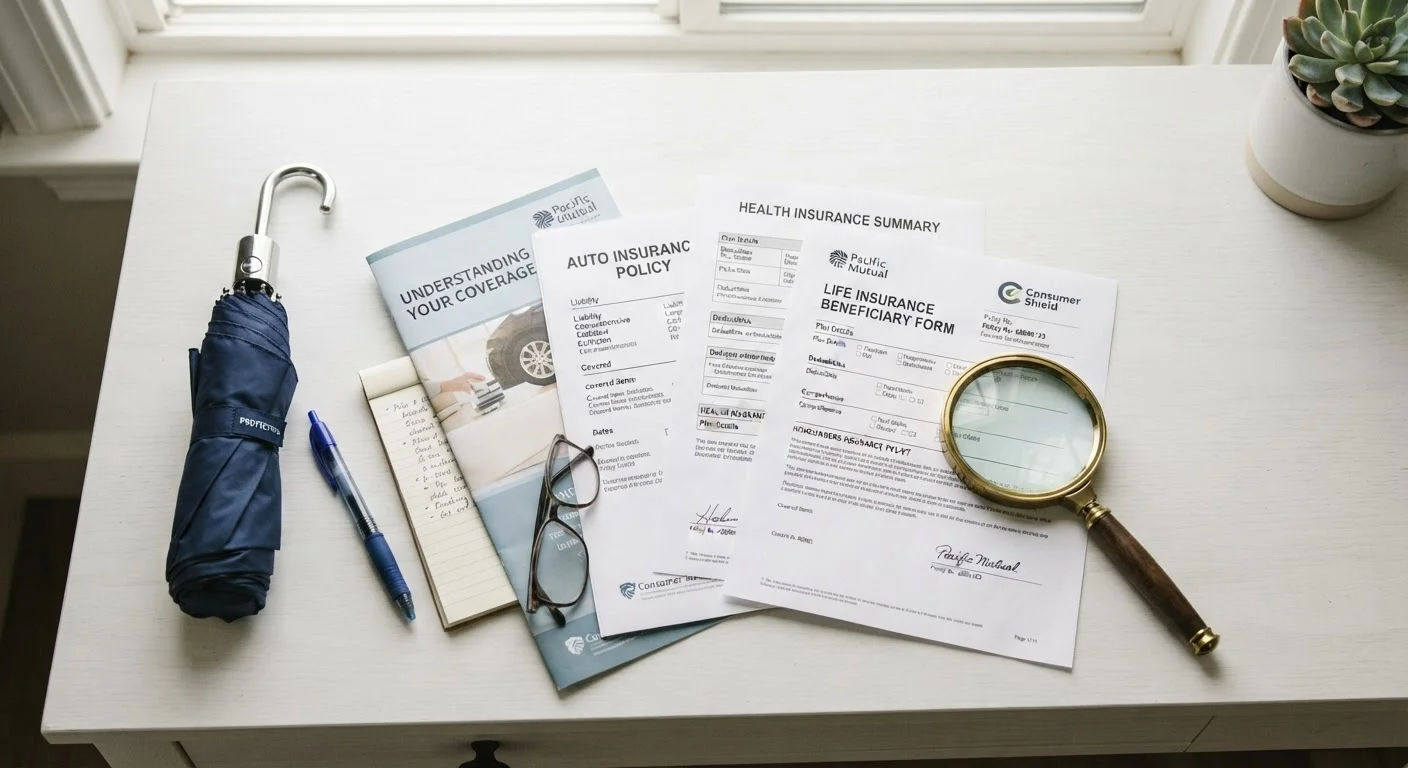
Photo: UltraSearches.com | Search Results You Can Trust editorial
Key Takeaways
- Umbrella insurance extends liability protection beyond the limits of your home and auto policies.
- Travel insurance can cover trip cancellations, medical emergencies abroad, and lost baggage in a single policy.
- Identity theft insurance helps cover the out-of-pocket costs of restoring your credit and legal standing.
- Pet insurance reimburses veterinary expenses and can prevent one illness from becoming a financial crisis.
- Specialty coverage types are not one-size-fits-all - your lifestyle and assets shape which ones make sense.
Why Standard Policies Aren't Always Enough
Most Americans are familiar with the insurance staples: health, auto, homeowners, and life. But a significant number of real-world financial risks fall outside those standard policies. A serious car accident that exceeds your auto liability limit, a medical emergency during international travel, or a stolen identity that takes months to resolve - these are situations where specialty insurance products are specifically designed to step in.
Understanding these lesser-known coverage types isn't about buying everything on the market. It's about knowing what exists so you can make an informed judgment about which risks genuinely apply to your life. This article breaks down seven specialty insurance types that everyday American consumers frequently overlook - and explains in plain terms what each one does and doesn't cover.
For a grounding in the vocabulary you'll encounter across all insurance products, the glossary of key insurance terms is a useful starting point before diving in.
Umbrella Insurance
Umbrella insurance is a form of excess liability coverage that activates when the liability limits on your underlying policies - typically auto and homeowners - are exhausted. If you're found legally responsible for damages that exceed those limits, umbrella coverage pays the remainder up to its own limit, which typically starts at $1 million.
Imagine a serious auto accident where the injured party's medical and legal damages total $600,000, but your auto policy's liability limit is $300,000. Without an umbrella policy, the remaining $300,000 could come from your personal assets. Umbrella policies are broadly applicable: they can cover bodily injury, property damage, and certain personal liability claims such as defamation. They do not cover your own injuries or your own property damage. See our guide to liability vs. full coverage auto insurance for context on how underlying liability limits work.
An umbrella policy can protect your personal assets when liability claims exceed your auto or home policy limits.
Travel Insurance
Travel insurance bundles several distinct protections into one policy, typically covering trip cancellation or interruption, emergency medical expenses abroad, medical evacuation, and lost or delayed baggage. The specific coverages vary significantly by plan, so reading the policy's definitions and exclusions is essential.
Standard health insurance plans - including most employer-sponsored plans - generally provide little or no coverage outside the United States. If you travel internationally with any frequency, a travel insurance policy can fill that gap meaningfully. Trip cancellation coverage reimburses prepaid, non-refundable travel costs if you cancel for a covered reason, such as a sudden illness or a death in the family. "Cancel for any reason" riders exist but typically reimburse only a portion of costs and must be purchased within a set window of booking.
Most domestic health plans offer minimal coverage abroad - travel insurance fills that gap for international trips.
Identity Theft Insurance
Identity theft insurance does not prevent identity theft from occurring; rather, it helps cover the out-of-pocket costs of recovering from it. Those costs can include legal fees, notary and certified mailing expenses, lost wages from time taken off work to resolve fraud, and fees for credit monitoring or restoration services.
What it typically does not cover is the direct financial loss from fraudulent transactions - that's generally handled by your bank or credit card issuer through separate fraud protection programs. The value of identity theft insurance lies in covering the administrative and legal labor of cleanup, which can be substantial. Many homeowners and renters policies offer identity theft coverage as an optional endorsement, so check your existing policy before purchasing a standalone product.
Identity theft insurance covers recovery costs - legal fees, lost wages, and restoration services - not the fraudulent charges themselves.
Pet Insurance
Pet insurance reimburses a portion of veterinary expenses after you pay your vet directly. Most plans are structured with a deductible, a reimbursement percentage (commonly 70-90%), and an annual benefit limit. Coverage generally falls into three categories: accident-only, accident and illness, and comprehensive (which may include wellness visits and preventive care).
Pre-existing conditions are almost universally excluded, which means enrolling a younger, healthy animal provides the broadest protection. As veterinary medicine has advanced, treatment costs for serious conditions - cancer, orthopedic surgeries, emergency care - can reach thousands of dollars. Pet insurance doesn't eliminate that cost, but it can convert an unpredictable large expense into a more manageable ongoing premium.
Enrolling a young, healthy pet maximizes coverage potential, since pre-existing conditions are almost always excluded.
Flood Insurance
Standard homeowners insurance policies do not cover flood damage - this is one of the most common and costly coverage gaps in American residential insurance. Flood insurance is available through the federal government's National Flood Insurance Program (NFIP) as well as from some private insurers.
NFIP policies cover the structure of your home and its foundation, electrical and plumbing systems, appliances, and personal belongings up to defined limits. Coverage for basements is more restricted. Flood insurance typically has a 30-day waiting period before it takes effect, so purchasing it during a weather emergency is too late. Even homeowners outside high-risk flood zones can experience flood damage from heavy rainfall or overwhelmed drainage systems, which is why flood exposure warrants evaluation regardless of your location.
Standard homeowners policies never cover floods - and the NFIP's 30-day waiting period means you can't buy coverage during an emergency.
Disability Insurance
Disability insurance replaces a portion of your income - typically 60-70% - if an illness or injury prevents you from working. Short-term disability policies cover gaps of a few weeks to several months; long-term disability policies can extend benefits for years or until retirement age, depending on the plan.
Many Americans assume workers' compensation will cover them if they're injured, but workers' comp only applies to on-the-job injuries. Most disabling conditions - including back problems, cancer, and mental health conditions - arise outside of work. Employer-sponsored group disability plans exist but often carry benefit caps or limited portability. Individual disability policies can be purchased directly and are generally tailored to your specific occupation and income level. This is a form of coverage that complements life insurance in protecting long-term financial stability.
Most disabling conditions arise outside the workplace, making workers' compensation an unreliable substitute for disability coverage.
Renters Insurance
Renters insurance is technically a mainstream product, but it remains widely underutilized - surveys consistently find that a large share of renters go without it. A renters policy covers your personal belongings against covered perils (fire, theft, vandalism, and others), provides liability protection if someone is injured in your apartment, and often covers additional living expenses if your unit becomes uninhabitable due to a covered loss.
A landlord's property insurance covers the building itself - not your furniture, electronics, clothing, or other possessions. Renters insurance fills that gap at a relatively modest annual premium. Liability coverage is another underappreciated feature: if a guest trips and is injured in your unit, your renters policy's liability component can cover medical costs and legal fees. As with all policies, coverage limits, deductibles, and exclusions vary - reading the declarations page of any policy you're considering is essential.
Your landlord's policy covers the building - your belongings, liability, and temporary housing costs are your own responsibility.
Matching Coverage to Your Real-World Risk
Specialty insurance is most valuable when it addresses a specific, identifiable gap in your existing coverage. Before adding any new policy, it helps to review what your current plans actually cover - and where they stop. As one example, standard homeowners policies routinely exclude floods, earthquakes, and sewer backups; the coverage gaps homeowners routinely discover too late outlines exactly which exclusions tend to catch people off guard.
Review Before You Buy
Similarly, if you're evaluating pet insurance or travel coverage, the question isn't whether these products exist - it's whether your household's specific circumstances justify the premium. Consider your travel frequency, the age and breed of your pet, your net worth relative to your auto and home liability limits, and whether your work or hobbies create exposures a standard policy won't touch.
This article is for general informational purposes only and does not constitute personalized insurance, financial, or legal advice. Coverage terms, eligibility, exclusions, and premiums vary by provider, state, and individual circumstance. Always read your actual policy documents and consult a licensed insurance agent or adviser before making coverage decisions.
The content on this site is for informational purposes only and is not a substitute for professional advice. Always consult a qualified professional for guidance specific to your situation.