
What a Personal Budget Actually Is (and What It Isn't)

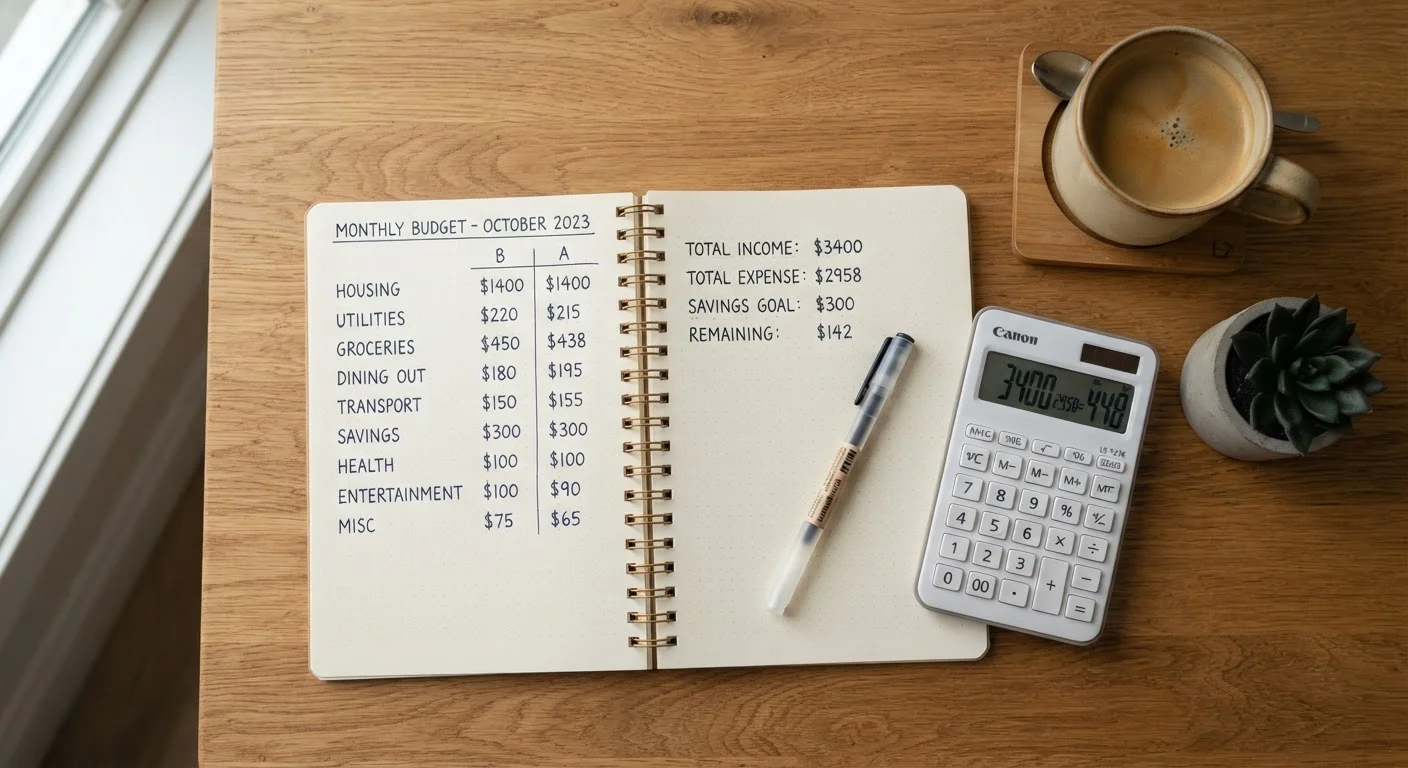
Photo: UltraSearches.com | Search Results You Can Trust editorial
Key Takeaways
- A budget is a forward-looking spending plan, not a record of what already happened.
- Budgets aren't about deprivation - they're about giving every dollar a purpose.
- You don't need to earn a high income for a budget to be useful.
- A budget that reflects your real life is more effective than a perfect one you never follow.
- Budgeting is a skill that improves with practice, not a one-time task.
The Simple Truth About What a Budget Is
A personal budget is a spending plan - nothing more, nothing less. You estimate how much money you'll receive in a given period, decide how you want to allocate it, and then track whether reality matched the plan. That's it.
What makes a budget genuinely useful isn't precision; it's intention. When you decide in advance that $400 goes toward groceries and $150 toward gas, you stop making dozens of small financial decisions on autopilot. The budget already made them for you.
For a deeper look at how everyday financial terms connect, see Key Budgeting Terms Every Beginner Should Know, which defines the vocabulary you'll encounter most as you build your plan.
~33%
Americans who follow a formal household budget
Surveys by Gallup and similar polling organizations have consistently found that fewer than half of American households maintain a written budget.
$1,000
Emergency savings many households lack
Federal Reserve surveys have repeatedly shown a significant share of U.S. adults would struggle to cover a $1,000 unexpected expense without borrowing.
3-6 months
Recommended emergency fund in expenses
Most mainstream personal finance guidance suggests holding three to six months of essential living expenses in accessible savings - a goal a budget helps you work toward.
What a Budget Is Not
Misconceptions about budgeting keep a lot of people from ever starting. Here are the most persistent ones, set straight:
- A budget is not a punishment. It doesn't tell you to stop spending on things you enjoy - it just asks you to account for them honestly.
- A budget is not only for people in debt. Anyone with income and expenses - which is everyone - benefits from knowing where their money goes.
- A budget is not set in stone. Life changes. A good budget gets updated when your income, expenses, or priorities shift.
- A budget is not a spending diary. Recording what you already spent is tracking. A budget is the plan that comes first.
Budget Myths That Keep People From Starting explores these misconceptions in more depth if any of them sound familiar.
Start With One Month of Real Numbers
The Core Components of Any Budget
Every personal budget, regardless of method, is built from three basic elements:
- Income: The total money coming in - wages, freelance pay, benefits, side income. Use your net income (what actually lands in your account after taxes and deductions), not your gross salary.
- Expenses: Everything money goes out toward. These split into fixed expenses (rent, loan payments - the same each month) and variable expenses (groceries, utilities, entertainment - which fluctuate).
- The gap: What's left after subtracting expenses from income. A positive gap means room to save or invest; a negative gap means spending exceeds income and adjustments are needed.
Understanding this gap is the entire point. Once you can see it clearly, you can do something about it - either grow the income side, trim the expense side, or redirect the surplus toward a goal.
How to Put This Into Practice
You don't need a perfect system on day one. The goal is to start with real numbers rather than estimates, and to review the results honestly. A budget that accounts for your actual coffee habit is more actionable than one built around an idealized version of your behavior.
A straightforward starting point: list every source of monthly income, then list every expense - starting with the fixed ones, then filling in your best estimates for variable categories. Compare the two totals. That gap tells you everything you need to know about where you stand.
If you've never built one before, Your First Budget: A Plain-English Starting Point walks through each step in plain language. And if you're wondering why so many budgeting attempts stall after the first month, Why Budgets Fall Apart in Month Two covers the most common pitfalls and how to avoid them.
For a comprehensive look at budgeting from income calculation to emergency savings, the Personal Finance in Plain Numbers guide ties all these concepts together.
This article is for general informational purposes only and does not constitute personalized financial advice. Consult a qualified financial professional for guidance specific to your situation.
Frequently Asked Questions
The content on this site is for informational purposes only and is not a substitute for professional advice. Always consult a qualified professional for guidance specific to your situation.