
Key Budgeting Terms Every Beginner Should Know

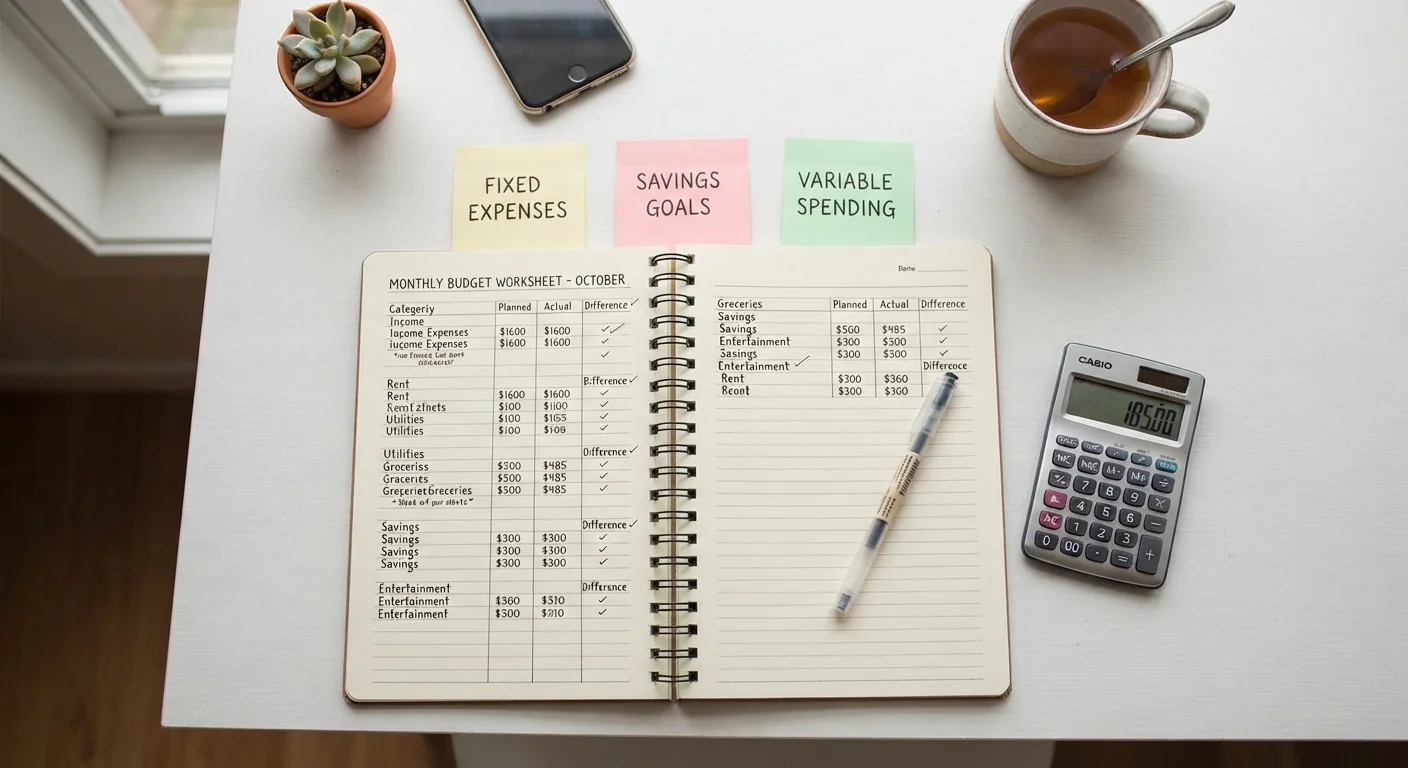
Photo: UltraSearches.com | Search Results You Can Trust editorial
Why Budgeting Has Its Own Language
Picking up a personal finance book or opening a budgeting app often feels like reading a foreign language. Terms like discretionary spending, cash flow, and sinking fund appear constantly - but are rarely explained. This reference guide cuts through the jargon so these words work for you, not against you.
Once you know what these terms mean, everything else - building a plan, tracking progress, adjusting habits - becomes considerably easier. If you haven't yet built your first budget, start with this plain-English walkthrough after reviewing these definitions.
Net Income
The amount of money you take home after taxes, Social Security, and any other payroll deductions. This is the figure you should use when building a budget.
Gross Income
Your total earnings before any deductions are taken out. It appears on a pay stub but does not reflect what you can actually spend.
Fixed Expense
A recurring cost that stays the same each period, such as rent or a car loan payment. Fixed expenses are the easiest to plan around because they don't change.
Variable Expense
A cost that changes in amount from month to month, like groceries or a gas bill. These require estimation rather than exact figures.
Discretionary Spending
Money spent on non-essential items or experiences - things you want but could live without. Examples include restaurant meals, streaming services, and hobbies.
Cash Flow
The net movement of money into and out of your finances over a set period. Positive cash flow means income exceeds expenses; negative means the reverse.
Sinking Fund
A dedicated pool of savings built up gradually to cover a known, planned expense - such as a holiday trip or annual car registration fee.
Emergency Fund
Savings reserved specifically for unexpected financial setbacks, such as a medical bill or job loss. It is separate from everyday savings and only accessed in genuine emergencies.
Budget Surplus
The amount left over when income exceeds total expenses for a given period. A surplus can be directed toward savings, debt repayment, or future goals.
Budget Deficit
The shortfall that occurs when expenses exceed income for a period. Running a deficit consistently often leads to debt if not corrected.
50/30/20 Rule
A popular budgeting guideline that allocates roughly 50% of net income to needs, 30% to wants, and 20% to savings or debt repayment. It is a starting framework, not a strict rule.
Zero-Based Budgeting
A method where every dollar of income is assigned a purpose - expenses, savings, or debt - so that income minus allocations equals zero. It requires more detail but leaves no money unaccounted for.
The Terms You'll Encounter Most
The definitions below cover the concepts that come up in virtually every budget conversation. Whether you're exploring the zero-based method or the 50/30/20 rule, these are the building blocks.
| Starting point for budgeting | Net income, not gross |
| Fixed expense examples | Rent, mortgage, loan payments |
| Variable expense examples | Groceries, utilities, gas |
| Discretionary spending | Wants, not needs |
| Sinking fund purpose | Planned future expenses |
| Emergency fund purpose | Unexpected financial shocks |
Income Terms
- Gross income is your pay before taxes and deductions are removed.
- Net income (sometimes called take-home pay) is what actually lands in your bank account. Budget with this number, not gross.
- Variable income refers to earnings that change month to month - common for freelancers, gig workers, and anyone who earns tips or commissions.
Spending Terms
- Fixed expenses stay the same every billing cycle - rent, loan payments, subscriptions with set prices.
- Variable expenses fluctuate - groceries, gas, and utility bills are typical examples.
- Discretionary spending covers wants rather than needs: dining out, entertainment, clothing beyond basics.
Planning Terms
- Cash flow describes the movement of money in and out over a period of time. Positive cash flow means more coming in than going out.
- Sinking fund is money set aside gradually for a known future expense - a car repair, vacation, or annual insurance premium.
- Emergency fund is separate from a sinking fund: it covers unexpected costs and is generally kept untouched until a genuine crisis arises.
For a broader look at money vocabulary beyond budgeting, see financial terms every adult should know.
Gross vs. Net: A Common Mistake
Putting the Vocabulary to Work
Knowing these terms matters most when you use them actively. When you review a paycheck, identify your net income. When you list your monthly bills, sort them into fixed and variable. When you spend on a dinner out, label it discretionary. That act of labeling creates awareness - and awareness is where budgeting actually starts.
A common sticking point is the belief that budgeting requires perfect numbers or complicated tools. It doesn't. Several widely held budget myths prevent people from even trying - understanding the vocabulary helps dissolve them. And if you want a clear foundation for what budgeting actually means day to day, this overview explains it plainly.
As your confidence grows, explore how saving and credit habits connect to your budget over at our Saving & Credit hub.
This article is for general informational and educational purposes only and does not constitute personalized financial or legal advice. For guidance specific to your situation, consult a qualified financial professional.
The content on this site is for informational purposes only and is not a substitute for professional advice. Always consult a qualified professional for guidance specific to your situation.