
Pet Care Basics

New Pet Owner Checklist: Supplies, Vet Visits, and Daily Habits to Establish Early

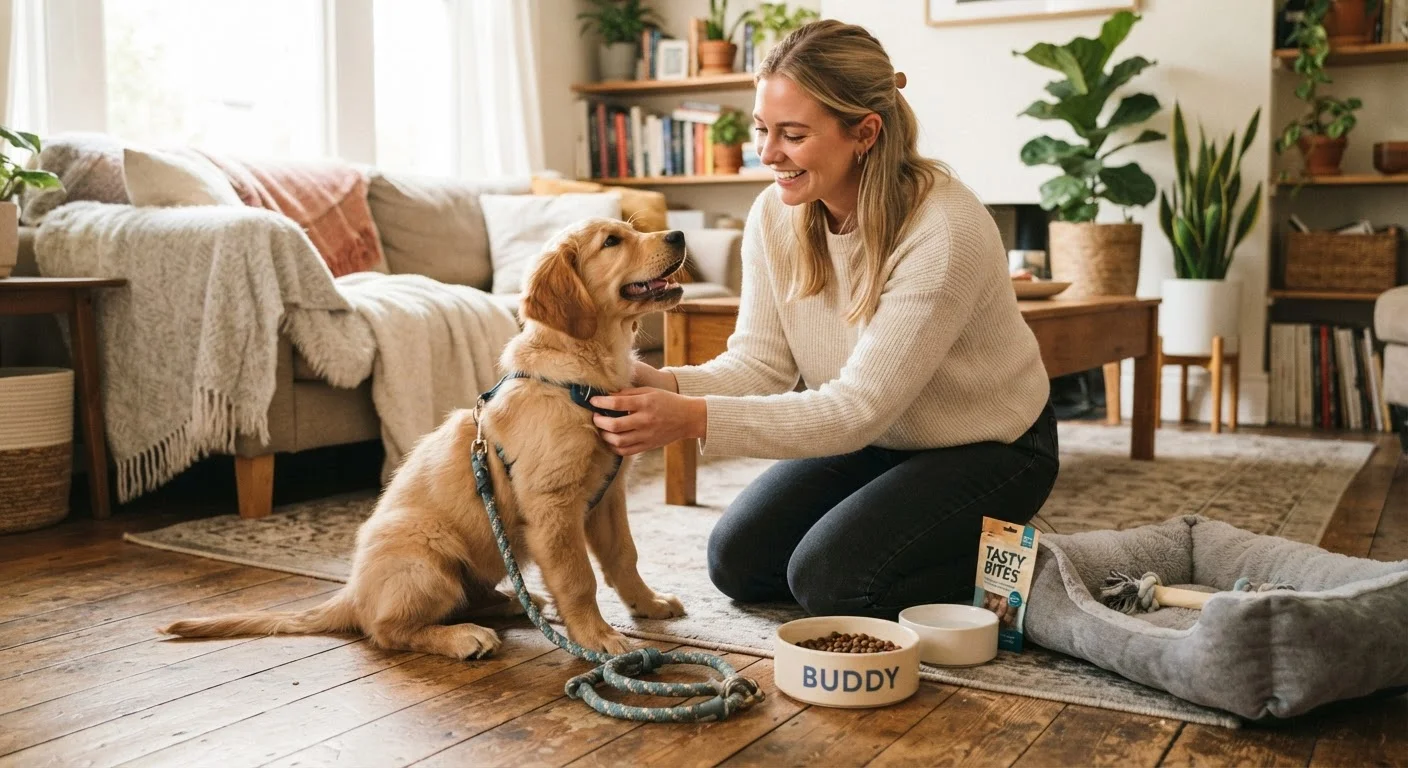
New Pet Owner Checklist: Supplies, Vet Visits, and Daily Habits to Establish Early

Photo: UltraSearches.com | Search Results You Can Trust editorial

Use this practical checklist to make sure you've covered the essentials before and after bringing a new dog or cat home for the first time.

Key Takeaways

  • Having the right supplies ready before your pet arrives reduces stress for both of you.
  • A first vet visit within the first week is strongly recommended for all new pets.
  • Consistent daily routines help pets feel secure and reduce problem behaviors.
  • Microchipping, ID tags, and safe indoor setup are non-negotiable safety steps.
  • Early habits — feeding schedules, potty breaks, quiet time — pay dividends long term.

Why This Checklist Matters Before Day One

Bringing a new dog or cat home is one of the most exciting things you'll do as an animal lover — and one of the most logistically demanding. The days immediately before and after a new pet arrives are when habits, boundaries, and trust begin to form. Skipping fundamentals during this window can mean weeks of backtracking later.

This checklist covers three interconnected areas: the physical supplies your pet needs, the veterinary steps that protect their health, and the daily routines that help them feel settled and secure. Whether you're adopting a puppy, a kitten, or an adult animal, the same core framework applies. For a broader look at what the adjustment period looks like emotionally and behaviorally, see what to expect in the first 30 days.

Work through each group below at your own pace — ideally starting before your pet comes home.

Required

Veterinary health records folder

Keeps vaccination history, vet visit notes, and microchip registration details organized and easy to bring to appointments.

Required

Species-appropriate food (vet or shelter recommended)

Provides the nutritional foundation your pet needs from day one without requiring an abrupt dietary change.

Required

Crate or pet carrier

Gives dogs a den-like safe space for rest and house-training, and gives cats a secure travel option for vet visits.

Optional

Baby gates or pet barriers

Restricts access to unsafe rooms or areas while your pet is still learning the boundaries of the home.

Required

ASPCA Animal Poison Control number (888-426-4435)

Provides immediate guidance if your pet ingests a potentially toxic substance before you can reach your vet.

Optional

Positive-reinforcement treats

Supports early training and helps your pet build positive associations with handling, commands, and new environments.

The Full New Pet Owner Checklist

Use the groups below to check off what you've prepared, scheduled, or started. Items marked must are non-negotiable for your pet's safety and wellbeing. Should items are strongly recommended within the first week or two. Nice-to-have items improve quality of life but can be phased in gradually.

Supplies to Have Ready Before Arrival

Purchase species-appropriate food recommended by a veterinarian or shelter and have at least a week's supply on hand. Must
Set up a dedicated feeding station with sturdy, easy-to-clean bowls for food and fresh water. Must
Prepare a safe, comfortable resting space — a crate, bed, or designated quiet corner away from heavy foot traffic. Must
Secure a collar with an ID tag that includes your current phone number and address before the pet enters your home. Must
Buy a leash and harness sized appropriately for your dog, or a carrier for a cat, before the first outing. Must
Stock basic grooming tools — a brush suited to your pet's coat type, nail clippers, and pet-safe shampoo. Should
Purchase enrichment items such as chew toys, puzzle feeders, or interactive wands to reduce boredom early. Nice to have

Pet-Proofing and Home Safety

Remove or secure household hazards — toxic plants, loose electrical cords, cleaning products, and small swallowable objects — from all accessible areas. Must
Block off any areas of the home that are unsafe or off-limits using baby gates, closed doors, or pet-safe barriers. Must
Check that outdoor spaces are securely fenced, with no gaps at the base or top that a pet could squeeze through or jump over. Should
Store all medications — human and pet — in a cabinet your pet cannot open, reach, or knock down. Must

Veterinary and Health Steps

Schedule a first wellness exam with a licensed veterinarian within the first week of bringing your pet home. Must
Bring any health records provided by the shelter, rescue, or breeder to your first vet appointment. Must
Ask your vet to confirm your pet's vaccination status and establish a schedule for any that are due or overdue. Must
Discuss parasite prevention — fleas, ticks, heartworm, and intestinal parasites — and start a vet-recommended protocol. Must
Arrange microchipping if your pet is not already chipped, and register your contact information with the chip provider. Should
Identify a 24-hour emergency veterinary clinic in your area and save the contact information before you need it. Should

Daily Habits to Establish Early

Feed your pet at consistent times each day to regulate digestion, reinforce routine, and make house-training easier. Must
Build in regular outdoor bathroom breaks for dogs — especially after meals, naps, and play — and reward successes calmly. Must
Create a predictable wind-down period each evening so your pet learns when active time ends and rest begins. Should
Handle your pet gently and briefly each day — touching paws, ears, and mouth — to build tolerance for grooming and vet exams. Should
Begin simple positive-reinforcement training (sit, stay, come) from the first week to establish communication and boundaries. Nice to have

Never Skip the First Vet Visit

Even if your pet looks healthy, a first wellness exam establishes a medical baseline and can catch conditions that aren't visible to an untrained eye. Many rescue animals carry parasites, dental problems, or early infections that require prompt care. Schedule this appointment before your pet arrives if possible — or within the first seven days at the latest. For a detailed guide on what these visits involve, see what actually happens at a vet wellness exam.

For a focused look at health milestones — vaccinations, parasite prevention, and establishing veterinary baselines — the first 90-day health checklist picks up where this list leaves off. And once your dog is settled, building a structured daily routine will help you maintain the consistency that makes all the difference.

Avoid Sudden Food Switches

Changing a pet's diet abruptly can cause digestive upset — vomiting, diarrhea, or loss of appetite. If you need to switch foods from what your pet was eating before, transition gradually over seven to ten days by mixing increasing amounts of the new food with decreasing amounts of the old. Ask your vet for guidance if your pet has a sensitive stomach or a known health condition.

Don't Delay Parasite Prevention

Fleas, ticks, and heartworm can cause serious — sometimes irreversible — health problems if left untreated. Heartworm disease in particular is far easier and less costly to prevent than to treat. Consult your veterinarian about the appropriate preventive products for your pet's species, size, age, and geographic region before assuming an over-the-counter option is sufficient.

This article is for general informational purposes only and does not constitute veterinary advice. Always consult a licensed veterinarian for guidance specific to your pet's health needs.

Pets & Animals Editorial Team

UltraSearches.com | Search Results You Can Trust

Pets & Animals Editorial Team is the collective byline for our editorial team and contributor network. Articles published under this byline or an editorial pen name are researched, written, and reviewed according to our editorial standards for clarity, consistency, and independence before publication.

Pet HealthPet Care BasicsResponsible Ownership
View author profile

The content on this site is for informational purposes only and is not a substitute for professional advice. Always consult a qualified professional for guidance specific to your situation.