
Building a Daily Care Routine for Dogs: Feeding, Exercise, and Rest

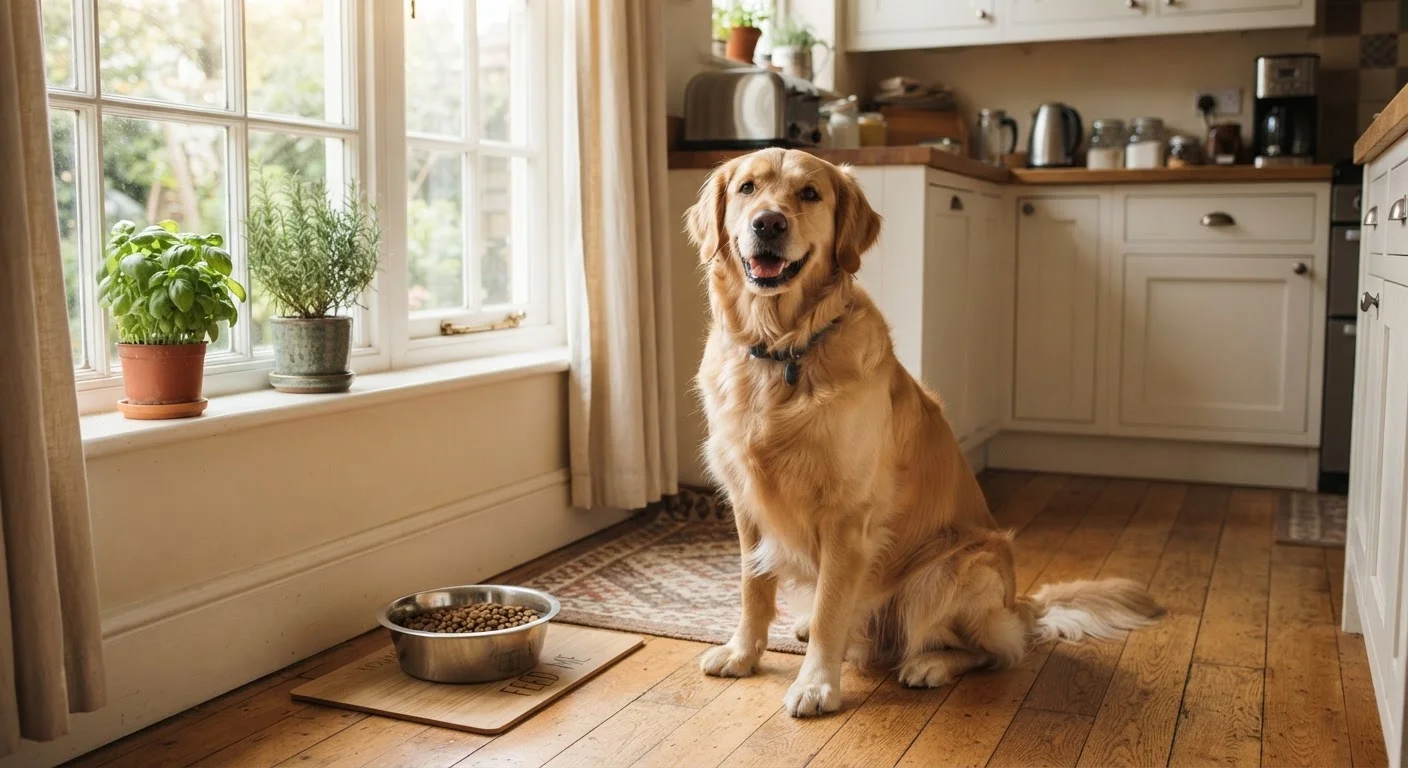
Photo: UltraSearches.com | Search Results You Can Trust editorial
Key Takeaways
- Dogs thrive on predictability - consistent feeding, exercise, and sleep schedules reduce anxiety and behavior problems.
- Feeding frequency and portion size should be tailored to your dog's age, breed, and health needs - consult your vet.
- Most adult dogs need at least 30-60 minutes of moderate exercise daily, split into multiple outings.
- Adequate rest is as essential as activity; dogs sleep 12-14 hours per day on average.
- Building a routine benefits both dog and owner by creating structure that fits real life.
Why Daily Routine Matters for Dogs
Dogs are creatures of habit. Unlike humans who can mentally adjust to shifting schedules, dogs read the world largely through pattern and repetition. When meals, walks, and sleep happen at predictable times, dogs feel safe - and that sense of security directly shapes their behavior, mood, and physical health.
Inconsistent routines are a common, often overlooked contributor to anxiety, destructive behavior, and excessive barking. Establishing a dependable daily structure isn't about rigidity; it's about giving your dog a framework they can count on. If you're just getting started, the New Pet Owner Checklist is a helpful companion resource for laying the groundwork early.
Routine Looks Different for Every Dog
Feeding: Timing, Frequency, and Portion Guidance
Most adult dogs do well with two meals per day - typically morning and evening - spaced roughly 8-12 hours apart. Puppies generally require three or more smaller meals daily to support their growth and stabilize blood sugar. Senior dogs or those with specific health conditions may have different needs; always confirm the right schedule with your veterinarian.
Portion sizes depend on your dog's weight, breed, activity level, and the caloric density of the food you're using. Use the feeding guidelines on your dog food packaging as a starting point, then adjust based on your dog's body condition over time. Avoid free-feeding (leaving food out all day) unless your vet recommends it - scheduled meals make it easier to monitor appetite, which is an important health indicator.
Feed your dog at the same times every day without exception.
Match exercise intensity and duration to your dog's age, breed, and health status.
Designate a specific, consistent sleep space for your dog.
Build a brief morning and evening transition ritual into the routine.
Include at least one mentally stimulating activity each day alongside physical exercise.
Exercise: Building Activity Into Every Day
Physical activity isn't optional - it's a core health need for dogs of every size. Exercise supports healthy weight, joint function, cardiovascular health, and mental stimulation. Most adult dogs benefit from at least 30-60 minutes of moderate activity per day, broken into two or more outings. High-energy breeds like border collies or Labrador retrievers may need significantly more.
Daily walks are the foundation, but variety keeps dogs mentally engaged. Incorporate sniff-focused "exploration walks," fetch in a fenced yard, or short training sessions that double as mental exercise. If you're thinking about how structured activity fits into your broader week, concepts from building a weekly exercise schedule apply surprisingly well to canine routines too.
Pair exercise with positive reinforcement training to turn daily walks and play sessions into opportunities for building good behavior.
Rest and Downtime: The Overlooked Essential
Dogs sleep between 12 and 14 hours per day on average - more for puppies and seniors. Quality rest supports immune function, memory consolidation after training, and emotional regulation. If your dog seems restless, hyperactive, or irritable, insufficient or disrupted sleep may be a contributing factor worth examining.
Create a consistent sleep environment: a designated bed or crate in a low-traffic area signals that downtime is safe and expected. Avoid overstimulating your dog close to bedtime. Crate training, done humanely, can be a powerful tool for establishing calm rest habits - particularly for puppies learning to self-settle.
A complete daily routine also benefits from a home grooming routine, which can be woven into quiet downtime periods and doubles as bonding time. For more on overall pet health guidance, explore resources tailored to your dog's life stage and breed.
This article is for general informational purposes only and is not a substitute for personalized veterinary advice. Always consult a licensed veterinarian regarding your dog's specific health, nutrition, and care needs.
The content on this site is for informational purposes only and is not a substitute for professional advice. Always consult a qualified professional for guidance specific to your situation.