
Keeping an Overweight Pet on a Healthy Path

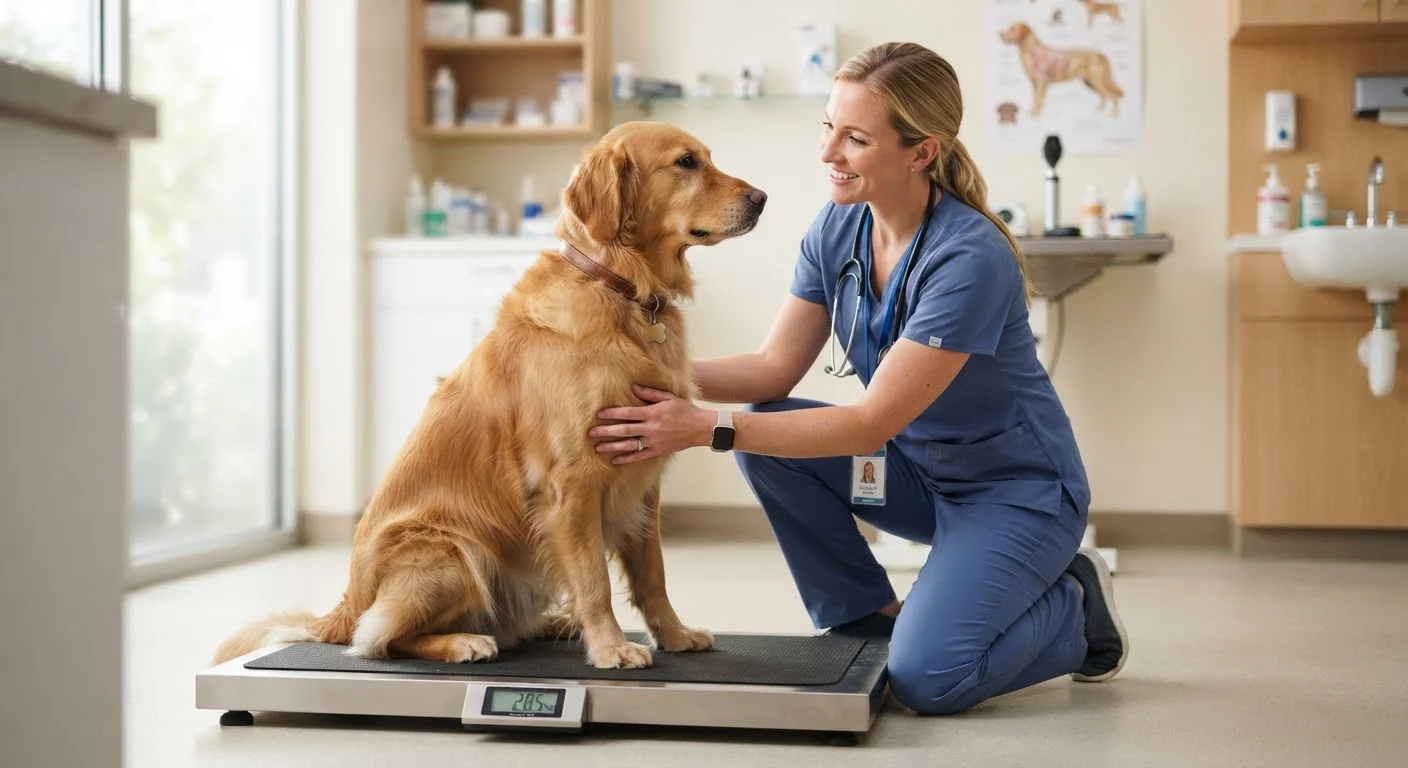
Photo: UltraSearches.com | Search Results You Can Trust editorial
Key Takeaways
- Pet obesity is directly linked to joint disease, diabetes, heart conditions, and a shorter lifespan.
- Vets use a Body Condition Score (BCS) scale, not just scale weight, to assess whether a pet is overweight.
- Portion control, scheduled feedings, and reduced treats are the cornerstones of safe weight management.
- Exercise adjustments should be gradual and guided by your vet, especially for pets with mobility issues.
- Weight loss in pets should be slow and steady - rapid loss can cause serious health complications.
- Annual vet visits are essential for catching weight creep early and adjusting care plans as your pet ages.
Why Pet Obesity Is a Bigger Problem Than It Looks
Many pet owners underestimate extra pounds on a dog or cat, chalking it up to a "fluffy" build or a naturally stocky breed. But veterinary research consistently links excess body weight in pets to a range of serious conditions: osteoarthritis, type 2 diabetes, respiratory difficulty, high blood pressure, and certain cancers. Overweight pets also tend to have shorter lifespans than their leaner counterparts.
Part of what makes pet obesity tricky is that weight gain is gradual. A pound or two gained over a year may not be obvious at a glance - but on a 10-pound cat, that's a 10-20% increase in body mass. The importance of routine vet visits lies partly in catching these changes before they compound into chronic disease.
~60%
U.S. dogs and cats classified as overweight or obese
The Association for Pet Obesity Prevention has reported in annual clinical surveys that roughly 60% of dogs and cats seen in veterinary practices are above their ideal body weight.
2.5 years
Potential lifespan reduction in overweight dogs
Research published in veterinary nutrition literature suggests chronically overweight dogs may live meaningfully shorter lives than those maintained at an ideal body weight throughout adulthood.
How Vets Actually Assess Body Condition
Scale weight alone doesn't tell the full story. Veterinarians use a standardized tool called the Body Condition Score (BCS) - typically a 9-point scale - to evaluate a pet's fat coverage relative to its frame. A score of 4-5 out of 9 is generally considered ideal. Scores of 6 or above suggest the pet is carrying excess fat.
The BCS assessment involves feeling for ribs (they should be palpable but not prominent), observing a visible waist when viewed from above, and checking for an abdominal tuck when viewed from the side. This method accounts for breed variation and muscle mass in ways a number on the scale cannot. Ask your vet to walk you through your pet's BCS at each visit so you understand what you're looking for at home.
“The body condition score is one of the most powerful tools we have in practice. A pet can weigh exactly what it weighed two years ago but still have lost muscle and gained fat - and that's a problem the scale alone will never reveal.”
— Dr. Ernie Ward, Veterinarian and founder of the Association for Pet Obesity Prevention
Best Practices for Managing Your Pet's Weight
Effective weight management isn't about dramatic restriction - it's about consistent, evidence-based adjustments made in partnership with your veterinarian. Many popular beliefs about pet food and feeding schedules don't hold up to scrutiny; see our piece on common pet nutrition myths for a fuller picture. The practices below reflect broadly accepted veterinary guidance.
Transition to measured, scheduled meals instead of free-feeding.
Use your vet's calorie target, not just the feeding guide on the bag.
Cut treats to no more than 10% of total daily calories.
Increase physical activity gradually under veterinary guidance.
Track weight monthly and adjust the plan if progress stalls.
This article is for general informational purposes only and is not a substitute for professional veterinary advice. Always consult your veterinarian before making changes to your pet's diet or exercise routine.
Starting Small: Quick Wins to Implement This Week
You don't need a complete overhaul to begin making progress. Small, consistent changes often yield lasting results. For pets with mobility challenges - common in older or significantly overweight animals - it's worth reviewing how aging affects your pet's overall health needs before jumping into an exercise plan. Start with what's manageable today.
Also be mindful that well-intentioned habits - like sharing table scraps or free-feeding - can quietly undo your progress. The hidden dangers of common pet care habits are worth reviewing if you're unsure where extra calories might be sneaking in.
The content on this site is for informational purposes only and is not a substitute for professional advice. Always consult a qualified professional for guidance specific to your situation.