
Why Pets Need Annual Vet Visits Even When They Seem Perfectly Fine

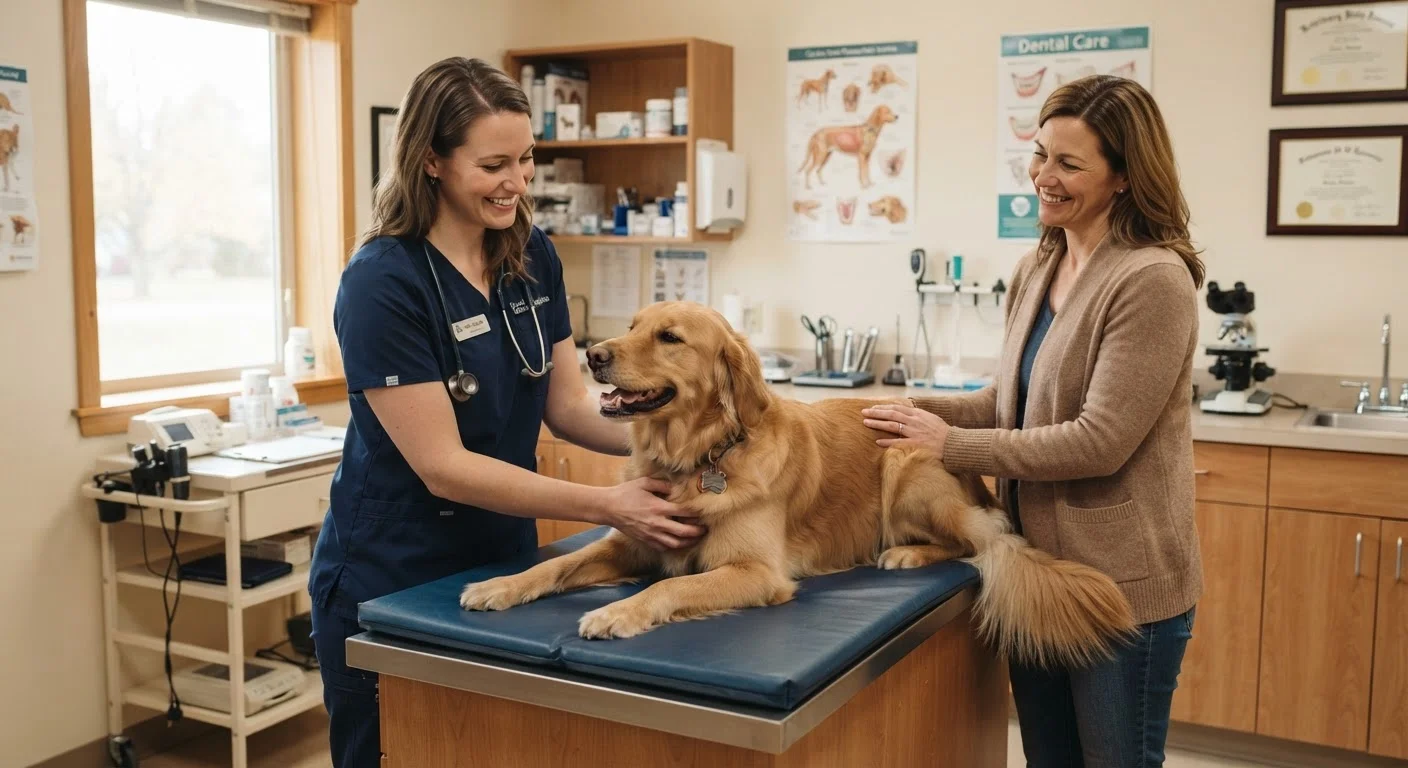
Photo: UltraSearches.com | Search Results You Can Trust editorial
Key Takeaways
- Pets instinctively hide discomfort, making routine exams essential for early detection.
- A yearly wellness visit typically covers a full physical, bloodwork options, dental check, and parasite screening.
- Many serious conditions - including kidney disease and dental disease - show no obvious symptoms in early stages.
- Preventive care is generally less expensive than treating advanced illness.
- Senior pets and young animals often need more frequent check-ins than once a year.
Why 'Seeming Fine' Isn't the Same as Being Fine
Pets are remarkably good at masking discomfort. This is a deeply wired survival instinct - showing vulnerability in the wild can attract predators. The result for pet owners is that by the time a cat or dog displays obvious signs of illness, a condition may already be well developed.
This is the core reason preventive veterinary care matters. A pet who is eating normally, playing, and showing affection can still be in the early stages of kidney disease, dental infection, or a thyroid disorder. None of these conditions announce themselves clearly in their early stages - but all of them are detectable during a thorough physical exam, and all respond better to treatment when caught early.
Annual wellness visits create a baseline record of your pet's individual norms - their typical weight, heart rate, organ size, and bloodwork values. Deviations from that baseline, even subtle ones, give vets meaningful data. Without that record, changes can go unnoticed for years. Learn more about what these visits involve in our overview of annual vet exams.
70%
Adult pets with some form of dental disease
According to the American Veterinary Medical Association, most cats and dogs show signs of dental disease by age three - a condition often undetected without a professional exam.
1 in 3
Pets that will develop cancer in their lifetime
The Veterinary Cancer Society estimates that cancer affects roughly one in three dogs and one in five cats, with outcomes often better when caught during routine visits.
6 months
Equivalent human years per calendar year for senior pets
Because pets age faster than humans, missing a single annual exam in a senior dog or cat can be comparable to a person skipping healthcare for several years.
What a Routine Wellness Exam Actually Covers
A standard annual wellness visit is more comprehensive than many owners expect. It is not simply a vaccination appointment. During the exam, your veterinarian will typically conduct:
- A full nose-to-tail physical: Checking eyes, ears, skin, coat, lymph nodes, heart, lungs, abdomen, and joints.
- A dental assessment: Oral disease is among the most common and underdiagnosed conditions in adult pets. See our article on how dental disease affects overall pet health for more context.
- Weight and body condition scoring: Vets use a standardized scale to assess whether a pet is at a healthy weight. Obesity significantly raises the risk of joint disease, diabetes, and a shortened lifespan.
- Parasite screening and prevention review: Depending on your location and your pet's lifestyle, your vet will recommend appropriate parasite prevention strategies.
- Vaccination review: Not every vaccine is needed every year. Vets assess core versus non-core vaccination needs based on age, lifestyle, and risk exposure.
Bring Notes to Every Vet Appointment
The Financial Case for Preventive Care
One of the most practical arguments for consistent wellness visits is economic. Treating an advanced illness - late-stage dental disease, chronic kidney disease, or a heartworm infestation - is significantly more expensive than the preventive steps that could have caught or avoided the problem entirely.
This doesn't mean wellness care is free of cost, and pet owners should plan realistically for veterinary expenses. Some owners use pet insurance to help manage unexpected costs; others prefer a dedicated savings approach. Either way, the foundation is the same: consistent preventive care reduces the likelihood of expensive emergencies.
This article is for general informational and educational purposes only. It is not a substitute for professional veterinary advice. Always consult a licensed veterinarian for guidance specific to your pet's health and circumstances.
Frequently Asked Questions
The content on this site is for informational purposes only and is not a substitute for professional advice. Always consult a qualified professional for guidance specific to your situation.