
Reading Pet Food Labels Without Getting Lost in the Fine Print

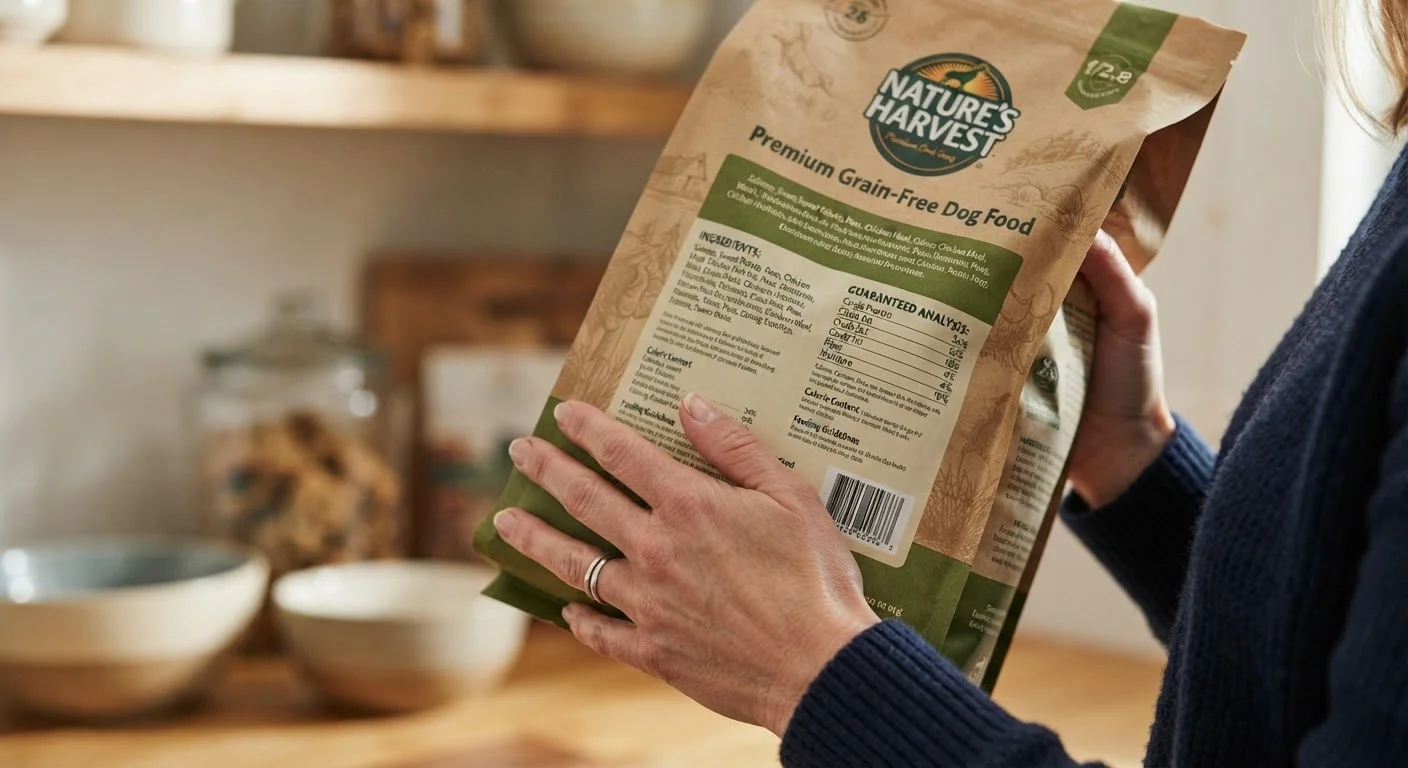
Photo: UltraSearches.com | Search Results You Can Trust editorial
Key Takeaways
- AAFCO nutritional adequacy statements are the most reliable indicator that a food is complete and balanced.
- Ingredient lists are ordered by pre-cooking weight, which can be misleading without context.
- The guaranteed analysis panel shows minimum or maximum nutrient levels, not exact amounts.
- Marketing terms like "natural" or "premium" have limited regulatory meaning on pet food labels.
- Life stage and species specificity matter - a food formulated for all life stages is not always optimal.
- When in doubt, consult your veterinarian before making significant changes to your pet's diet.
Why Pet Food Labels Are Worth Decoding
Pet food packaging is designed to sell - bold claims on the front, vivid photography, and words like "natural" or "wholesome" are marketing choices, not nutritional guarantees. The meaningful information lives on the back or side of the package, structured in a format regulated (at least partially) by the Association of American Feed Control Officials, commonly known as AAFCO.
Understanding the label doesn't require a nutrition degree. It requires knowing which sections to look at, what each one is actually measuring, and where the blind spots are. For a deeper look at how ingredient lists specifically work, see our companion piece on what the ingredients list actually tells you.
What you will need
Pet food package (current or prospective)
The label you'll be reading and evaluating step by step.
AAFCO nutrient profile reference
Used to verify whether a food's stated nutrient levels meet established minimums for your pet's life stage.
Calculator or smartphone
Useful for dry matter basis calculations when comparing wet and dry food nutrient levels.
How to Read a Pet Food Label
Follow these steps each time you evaluate a pet food - whether you're switching brands, trying a new protein, or simply double-checking a food you've used for years.
Find and Read the Product Name Carefully
AAFCO rules govern how ingredients can appear in product names, and the wording is more precise than it looks:
- "Beef Dog Food" - beef must make up at least 95% of the total weight (excluding water).
- "Beef Dinner" or "Beef Entrée" - the named ingredient need only be 25% or more.
- "With Beef" - beef only needs to be 3% of the formula.
- "Beef Flavor" - enough to be detectable; no minimum percentage required.
The difference between a "Chicken Formula" and a food that's merely "with Chicken" is substantial, even if both bags look similar on the shelf.
Check the AAFCO Nutritional Adequacy Statement
This is the single most important section on the label. Look for a statement that says something like: "[Product] is formulated to meet the nutritional levels established by the AAFCO [Dog/Cat] Food Nutrient Profiles for [life stage]."
There are two ways a food earns this statement:
- Formulated to meet nutrient profiles - the recipe was calculated to hit AAFCO minimums, but the food wasn't fed to live animals in a structured test.
- Feeding trial substantiation - the food was actually fed to animals over a protocol period and tested for nutritional outcomes. This is generally considered a higher bar.
Also note the life stage listed: "growth," "adult maintenance," "all life stages," or "senior" (note: AAFCO doesn't have an official senior profile, so this term varies by brand).
Read the Ingredient List Strategically
Ingredients are listed in descending order by pre-cooking weight - meaning the heaviest ingredient comes first. A named animal protein ("chicken," "salmon," "lamb") in the first position is generally a positive sign, but context matters.
Watch for:
- Meat meals (e.g., "chicken meal") - these are concentrated, moisture-removed proteins and are not inherently inferior to fresh meat. A food with "chicken meal" in position two may actually contain more protein by dry weight than one with fresh "chicken" first.
- Vague protein sources - "meat meal" or "animal digest" without a named species offer less transparency about sourcing.
- Multiple carbohydrate sources listed separately - this can indicate higher carbohydrate content than the list order suggests (see ingredient splitting, below).
Interpret the Guaranteed Analysis Panel
This panel lists minimum or maximum percentages for key nutrients - typically crude protein, crude fat, crude fiber, and moisture. A few important nuances:
- Protein and fat are listed as minimums - the actual content could be higher.
- Fiber and moisture are listed as maximums - actual content could be lower.
- These are "as-fed" values, meaning moisture is included. Wet and dry foods can't be directly compared without adjusting for water content.
The guaranteed analysis doesn't tell you about protein quality, amino acid balance, or micronutrient levels beyond the basics - it's a regulatory floor, not a comprehensive nutrition report.
Note the Feeding Guidelines and Contact Information
Feeding guidelines provide a starting point for daily portions based on body weight, but they are general estimates - individual pets vary based on activity level, metabolism, and health status. Use them as a baseline and adjust with your vet's input over time.
Also check that the label includes a manufacturer name, address, and ideally a consumer contact number or website. This transparency matters if you ever need to report a quality concern or ask about sourcing.
Always Verify the AAFCO Statement
Common Stumbling Blocks and What to Do About Them
Even careful label readers can run into genuinely confusing situations. Here are a few worth knowing.
Ingredient Splitting
Manufacturers sometimes list variations of the same ingredient separately - for example, "ground corn," "corn gluten meal," and "corn flour" - which pushes each entry lower on the list and makes a primary ingredient appear less prominent. It's not illegal, but it changes how you interpret order.
Life Stage Wording
A food labeled "for all life stages" must meet the most demanding nutrient profile - typically that of growth and reproduction - which means it's nutritionally adequate for puppies or kittens but may be richer than an adult or senior pet needs. Age-appropriate formulas are often a better fit for healthy adult animals.
"Natural" and Similar Terms
AAFCO does define "natural" in a narrow technical sense (no chemically synthesized ingredients, with exceptions for added vitamins and minerals), but the term is commonly misread as a broad quality claim. It says nothing about protein quality, digestibility, or sourcing. See our article on common pet nutrition myths for more on how popular label language can mislead.
Marketing Words Can Be Misleading
Use the Dry Matter Basis for Fair Comparisons
Putting It All Together
No single label section tells the whole story. The strongest signal of a nutritionally sound food is an AAFCO adequacy statement backed by feeding trials - combined with an ingredient list that names a specific protein source first and a guaranteed analysis that aligns with your pet's life stage needs.
Portion size is a separate but equally important variable. Even a well-formulated food can contribute to weight problems if fed in the wrong amounts - something our guide on portion size in pet feeding explores in detail.
Use label reading as a starting point, not a final verdict. Your veterinarian can put label information in the context of your individual pet's health history, weight, and any dietary sensitivities. Bring your label questions to your next appointment - it's one of the most practical conversations you can have about your pet's long-term wellbeing.
This article is for general informational purposes only and does not constitute veterinary or dietary advice. Always consult a licensed veterinarian before making significant changes to your pet's diet, especially if your pet has a health condition.
The content on this site is for informational purposes only and is not a substitute for professional advice. Always consult a qualified professional for guidance specific to your situation.