
When Pet Anxiety Is More Than Just Nerves

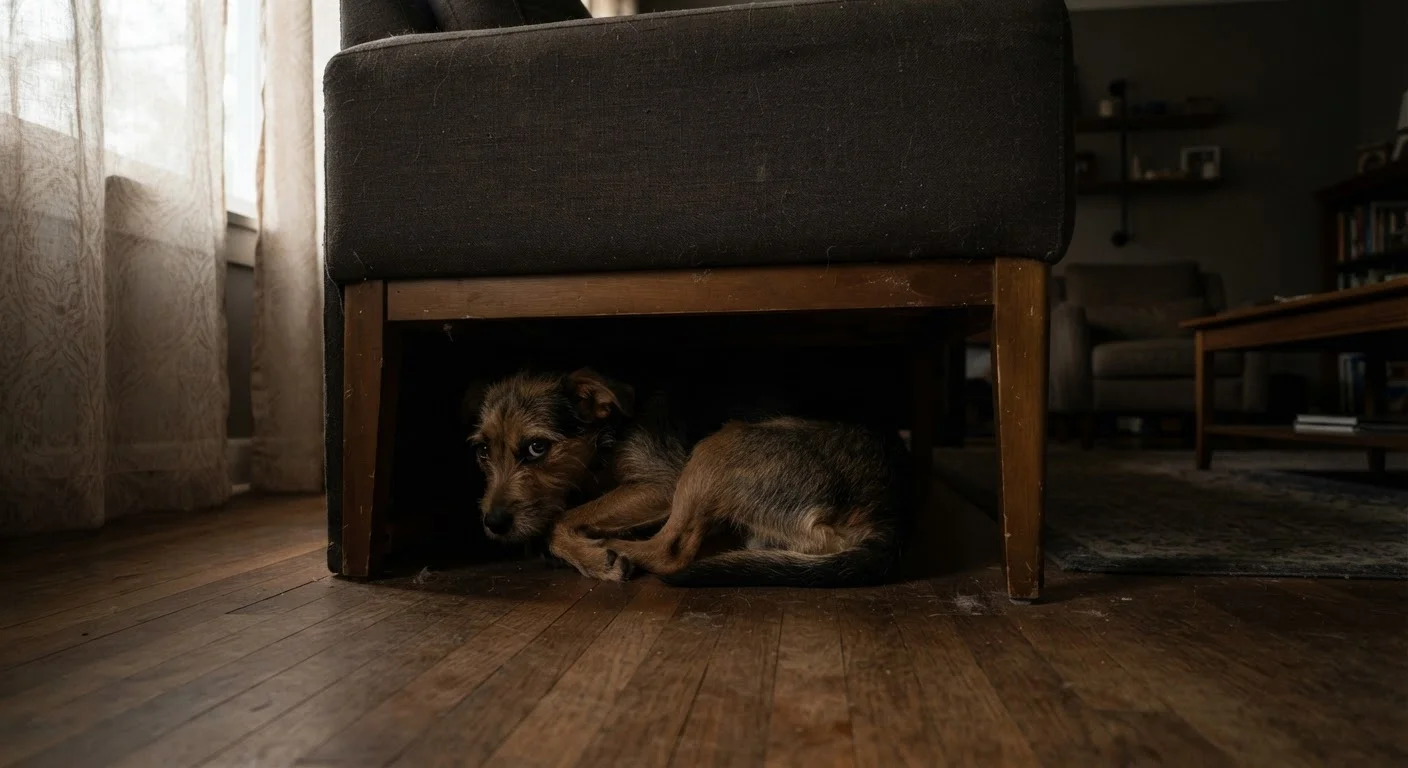
Photo: UltraSearches.com | Search Results You Can Trust editorial
Key Takeaways
- Separation anxiety, noise phobia, and generalized fear are distinct conditions, each with specific signs and management approaches.
- Behavioral changes like destructive chewing, house soiling, or excessive vocalization may indicate clinical anxiety rather than misbehavior.
- A veterinarian or veterinary behaviorist can formally assess your pet and rule out medical causes before diagnosing an anxiety disorder.
- Treatment often combines behavior modification, environmental changes, and sometimes medication - rarely medication alone.
- Early intervention generally produces better outcomes than waiting for the problem to escalate.
When Normal Nervousness Crosses a Line
All pets experience moments of fear or stress - a loud noise, an unfamiliar visitor, a trip to the vet. These are normal reactions. Clinical anxiety is different: it is persistent, often disproportionate to the trigger, and disrupts your pet's ability to function comfortably in everyday life.
Recognizing the difference matters because anxiety disorders require specific management - not just reassurance, and certainly not punishment. Just as pain in pets can be easy to miss, anxiety often presents through behaviors that owners misread as stubbornness, bad habits, or attention-seeking. Understanding what you're actually seeing is the first step toward getting your pet real help.
Anxiety vs. Medical Pain: Overlap Is Common
The Most Common Anxiety Disorders in Dogs and Cats
Veterinary behavioral medicine recognizes several distinct anxiety conditions in companion animals. The three most frequently seen in clinical practice are:
- Separation anxiety: Distress triggered by being left alone or separated from a primary attachment figure. Signs include destructive behavior, house soiling, excessive vocalization, and attempts to escape - typically occurring only during absences.
- Noise phobia: An intense, disproportionate fear response to specific sounds - most commonly thunderstorms, fireworks, or loud machinery. Affected animals may tremble, pant, hide, pace, or refuse to eat during exposure.
- Generalized anxiety disorder: A persistent state of fearfulness or vigilance that isn't tied to a single trigger. These pets may startle easily, be unable to relax, or show chronic stress signals like yawning, lip-licking, or flattened ears across many different situations.
Some pets experience more than one of these simultaneously, and anxiety can worsen with age. Senior pets face shifting health needs that can include increased fearfulness or cognitive changes that amplify existing anxiety.
~17%
Dogs estimated to have separation anxiety
Research published in veterinary behavioral literature estimates that separation anxiety affects roughly 14-20% of the domestic dog population.
2 in 3
Dogs showing fear of loud noises
Studies in applied animal behavior suggest approximately two-thirds of dogs display some level of fear response to loud noises such as fireworks or thunder.
Weeks
Time for anxiety medications to reach full effect
Most SSRIs and tricyclic antidepressants used in veterinary practice require four to eight weeks of consistent use before full therapeutic benefit is observed.
How Veterinarians Diagnose and Treat Pet Anxiety
There is no single blood test for anxiety. Veterinarians diagnose it through a combination of detailed behavioral history, observation, and by ruling out underlying medical conditions - thyroid dysfunction, pain, neurological issues, and sensory decline can all produce or worsen anxious behavior. This is why a thorough physical exam is always the starting point.
Once a diagnosis is established, treatment is almost always multimodal:
- Behavior modification: Structured desensitization and counter-conditioning protocols, often guided by a veterinary behaviorist or certified applied animal behaviorist.
- Environmental management: Reducing exposure to triggers, providing safe spaces, using tools like white noise or calming wraps as adjunct support.
- Medication: For moderate to severe cases, FDA-approved veterinary medications - including certain SSRIs and tricyclic antidepressants - may be prescribed. These are not sedatives and typically require several weeks to reach full effect.
Medication alone is rarely a complete solution. The most effective outcomes typically involve behavioral work alongside any pharmaceutical support. Your veterinarian is your best guide to which combination is appropriate for your pet's specific presentation.
Keep a Behavior Log Before Your Vet Visit
What You Can Do as an Owner
If you suspect your pet has more than ordinary nerves, start with documentation. Note when anxious behavior occurs, how long it lasts, what preceded it, and how your pet responds to different situations. This information helps your vet enormously during an appointment.
Avoid common well-intentioned mistakes: excessive soothing during a fear response can inadvertently reinforce the behavior, while punishment makes anxiety significantly worse and erodes trust. Consistency, predictability, and a calm environment provide a foundation that supports any formal treatment plan.
Pets in smaller living situations - like apartments - may have limited outlets for stress. Apartment pet owners face specific challenges that can amplify anxiety if not proactively managed. Structured exercise, mental enrichment, and stable routines make a measurable difference for anxious animals regardless of where they live.
Anxiety is a health issue, not a character flaw. Treating it as such - with the same seriousness you'd give dental health or any other medical concern - is one of the most meaningful things you can do for your pet's overall wellbeing.
This article is for general informational purposes only and does not constitute veterinary advice. Always consult a licensed veterinarian for concerns about your pet's health or behavior.
Frequently Asked Questions
The content on this site is for informational purposes only and is not a substitute for professional advice. Always consult a qualified professional for guidance specific to your situation.