
Dental Health in Pets: What Owners Often Don't Know Until It's Too Late

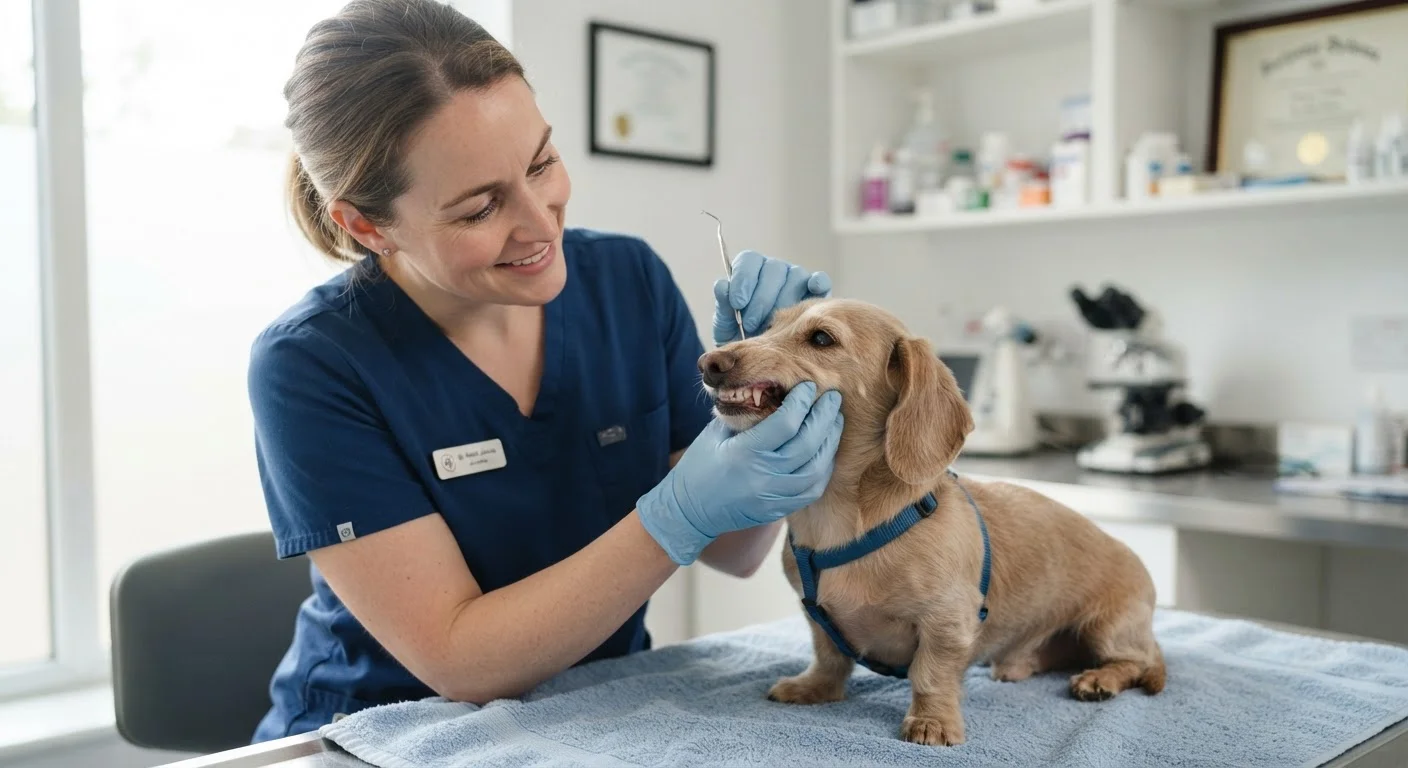
Photo: UltraSearches.com | Search Results You Can Trust editorial
Key Takeaways
- By age three, most dogs and cats show some degree of dental disease, often without obvious symptoms.
- Daily toothbrushing with pet-safe toothpaste is the single most effective home care step owners can take.
- Dental disease can contribute to systemic health problems affecting the heart, kidneys, and liver.
- Professional veterinary cleanings under anesthesia are necessary - home care alone is not enough.
- Bad breath in pets is a clinical sign, not a normal condition to accept.
Why Dental Disease Catches So Many Owners Off Guard
Dental disease is consistently ranked among the most common health conditions affecting adult dogs and cats - yet it remains one of the most overlooked. The reason is straightforward: pets don't complain about tooth pain the way people do. They continue eating, playing, and behaving normally until the disease is well advanced. By the time an owner notices something is wrong, the problem has often been developing for months or years.
This article identifies the most common mistakes pet owners make around oral health - not to assign blame, but to give you a clearer picture of what consistent dental care actually looks like. Understanding where well-meaning routines fall short is the first step toward building better ones. For a broader look at how oral health connects to overall wellness, see our article on how dental disease affects systemic health.
Assuming bad breath is normal for pets.
Skipping professional cleanings because the pet seems fine.
Relying entirely on dental treats or chews instead of brushing.
Starting dental care only after disease is already present.
Ignoring oral care because a pet eats dry food.
What a Real Dental Care Routine Looks Like
Effective dental care for pets is a combination of daily home maintenance and periodic professional veterinary attention. Neither replaces the other. Think of it the way you'd approach your own oral health: brushing at home matters, but it doesn't eliminate the need for professional cleanings.
~80%
Dogs with dental disease by age 3
According to the American Veterinary Medical Association, approximately 80% of dogs show signs of periodontal disease by age three.
~70%
Cats with dental disease by age 3
Cats develop periodontal disease at similarly high rates, with many cases progressing silently before owners or vets detect them.
Start with toothbrushing using a soft-bristled pet toothbrush and toothpaste formulated for animals. Human toothpaste contains ingredients that are harmful to pets. Work up gradually - start by letting your pet lick the toothpaste, then introduce the brush over several sessions. Daily brushing is the goal, though even a few times per week offers real benefit.
Ask your veterinarian about supplemental options like water additives, dental chews, or veterinary-recommended diets. Look for products carrying the Veterinary Oral Health Council (VOHC) seal, which indicates the product has met published standards for plaque or tartar reduction. These are supports for brushing - not replacements.
Never Use Human Toothpaste on Pets
Annual or biannual wellness exams give your vet the opportunity to assess your pet's oral health and recommend a professional cleaning if needed. Routine vet visits are where dental problems are most often caught before they become painful or expensive. And as your pet ages, dental needs can shift - our guide on how aging changes pet health needs explains what to watch for at different life stages.
This article is for general informational purposes only and is not a substitute for professional veterinary advice. Always consult a licensed veterinarian regarding your pet's specific health needs.
The content on this site is for informational purposes only and is not a substitute for professional advice. Always consult a qualified professional for guidance specific to your situation.