
Training Your Dog Without Fear or Force

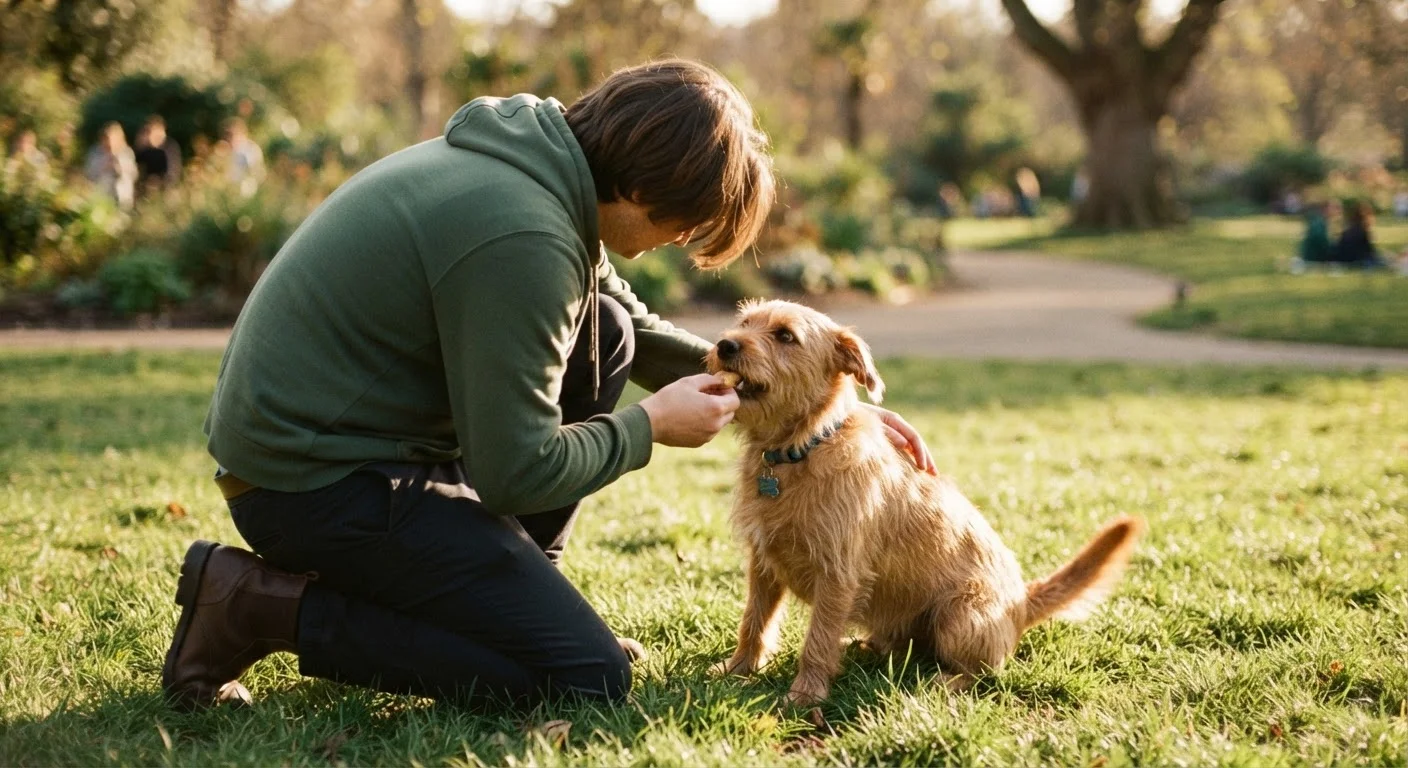
Photo: UltraSearches.com | Search Results You Can Trust editorial
Key Takeaways
- Positive reinforcement uses rewards to encourage behavior you want to see repeated.
- Punishment-based methods can damage trust and increase anxiety in dogs.
- Short, consistent training sessions produce better results than occasional long ones.
- Timing is critical - rewards must arrive within seconds of the desired behavior.
- Any dog, at any age, can learn through reward-based methods.
Why the Training Method You Choose Matters
Dogs are social learners. They are remarkably good at reading human behavior, forming associations, and adapting when the environment provides clear feedback. Positive reinforcement training works by pairing desired behaviors with outcomes the dog finds rewarding - treats, praise, play - making those behaviors more likely to happen again. The science behind this approach is well-established in behavioral psychology and has been endorsed by major veterinary and animal welfare organizations.
What makes force-free training significant isn't just that it works - it's how it works. A dog trained without fear retains confidence in novel situations, is more resilient to stress, and maintains a trusting relationship with its owner. Training is also one of the most meaningful ways owners fulfill their responsibilities to their pets. A well-trained dog is safer, easier to manage, and more likely to remain in its home. Integrating training into a broader care structure - including a consistent daily routine for feeding, exercise, and rest - sets dogs up for lasting behavioral stability.
Force-Free Training Is Not Permissive
What You'll Need Before You Start
Effective positive reinforcement training requires very little equipment, but a few essentials will make your sessions more productive. The single most important element is a reward your dog genuinely values. For most dogs, small soft treats work best because they can be delivered and consumed quickly. For food-motivated dogs, using a portion of their daily meal allocation as training treats avoids overfeeding.
What you will need
High-Value Training Treats
Small, soft rewards delivered immediately after a correct behavior to reinforce it.
Clicker
Produces a precise click sound that marks the exact moment a desired behavior occurs, bridging the gap before the treat arrives.
Treat Pouch or Bait Bag
Keeps treats accessible at your hip so rewards can be delivered quickly during sessions.
Standard Leash (4-6 ft)
Provides safety and gentle guidance during leash-based training exercises.
Beyond equipment, the right mindset matters. Approach each session as a two-way communication exercise. If your dog isn't responding, ask whether the cue is clear, the reward is motivating enough, or the environment is too distracting - rather than assuming stubbornness.
Step-by-Step: Teaching Reward-Based Behaviors
The steps below are designed for dogs of any age and apply to most basic obedience behaviors. Puppies benefit especially from early training, since the socialization window shapes behavior for life - for more on that, see why the socialization window matters. Adult and senior dogs are equally capable of learning through these methods.
Establish Your Reward Marker
Before teaching any command, your dog needs to understand what signals a reward is coming. If you're using a clicker, click once and immediately give a treat. Repeat this 10-15 times in a row until your dog perks up at the sound of the click. If you're not using a clicker, choose a short, distinct verbal marker - a crisp "yes" works well - and pair it with a treat in the same way. This process is called loading the marker.
Start With One Simple Behavior
Choose a single, concrete behavior - "sit" is ideal for beginners. Hold a treat close to your dog's nose, then slowly move your hand upward and back over their head. As their nose follows the treat upward, their hindquarters will naturally lower. The moment their bottom touches the ground, mark the behavior (click or say "yes") and deliver the treat. Avoid pushing the dog into position - the goal is for them to discover the behavior on their own.
Add the Verbal Cue
Once your dog is reliably performing the behavior in response to the hand lure, begin pairing the action with a spoken word. Say the cue - "sit" - just before you initiate the hand movement. Over several repetitions, your dog will begin to associate the word with the action. Eventually, the hand lure can be faded and replaced by the verbal cue alone or a smaller hand signal.
Practice in Different Environments
Dogs do not automatically generalize behaviors learned in one location to other settings - this is called context specificity. Once your dog responds reliably at home, gradually introduce new environments: the backyard, a quiet sidewalk, a friend's driveway. Start each new setting with a lower distraction level and gradually increase the challenge. Owners of large or powerful breeds should pay particular attention to training in varied public settings, where reliable responses matter most.
Build Duration, Distance, and Distraction Gradually
After a behavior is reliable, you can build the "three Ds": duration (how long the dog holds the position), distance (how far away you are when you give the cue), and distraction (what's happening around the dog). Work on only one D at a time. If you increase distance, keep distractions low. If you add duration, stay close. Trying to advance all three at once typically leads to regression.
Maintain Behavior With a Variable Reward Schedule
Once a behavior is well established, you don't need to reward every single repetition - in fact, occasional, unpredictable rewards maintain behavior more robustly than a constant stream. This is known as a variable reinforcement schedule. Continue rewarding frequently for new or difficult behaviors, but for well-known cues, intermittent rewards keep the behavior strong over time.
Keep Sessions Short and Positive
Troubleshooting Common Training Challenges
Even with the best approach, challenges arise. Here are the most common obstacles and how to address them:
- Dog loses interest quickly: The treat may not be motivating enough, or sessions are running too long. Shorten sessions to five minutes and try a higher-value reward.
- Dog performs the behavior at home but not elsewhere: This is normal context specificity - begin generalization practice in low-distraction new environments before raising the difficulty.
- Dog seems confused or frustrated: Break the behavior into smaller components and reward each one separately. Progress in smaller steps.
- Dog is reactive or aggressive on leash: These behaviors require professional guidance. Seek out a certified trainer who uses force-free methods or a veterinary behaviorist.
Consistency across all members of the household is also critical. If one person enforces the rules and another undermines them, dogs receive conflicting information. Align on cues, rewards, and expectations as a household unit. Pairing training with a solid grooming and handling routine - see our guide to grooming your pet at home - builds cooperative handling habits that extend well beyond obedience commands.
Avoid Aversive Tools and Techniques
The content on this site is for informational purposes only and is not a substitute for professional advice. Always consult a qualified professional for guidance specific to your situation.