
Foundation Coverage Levels: Sheer, Medium, and Full Explained

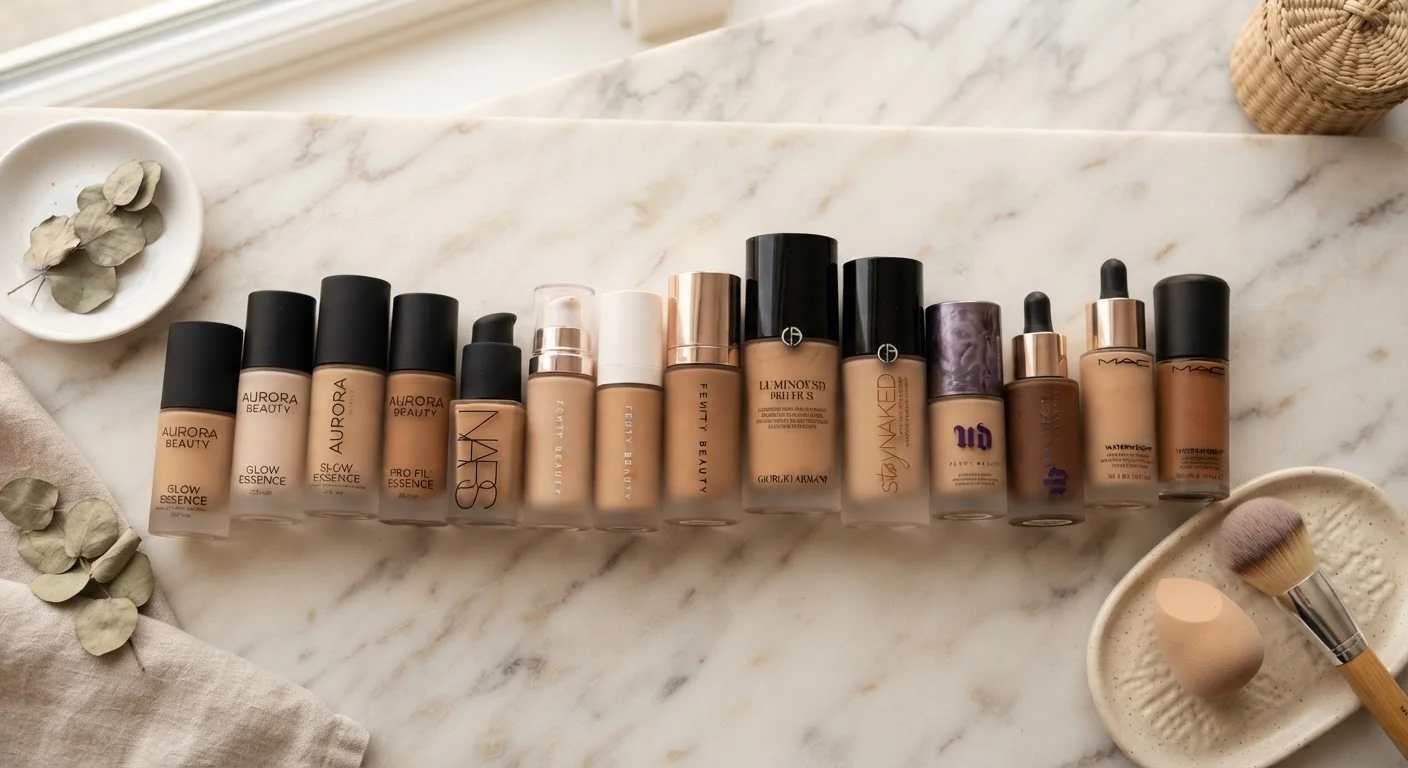
Photo: UltraSearches.com | Search Results You Can Trust editorial
What Coverage Level Actually Means
When a foundation label says "sheer," "medium," or "full" coverage, it's describing how much of your natural skin remains visible after the product is applied. Think of it like window tinting: sheer lets nearly everything through, while full coverage blocks most of what's underneath.
Coverage is not a judgment about which look is better - it's a functional descriptor that helps you match a product to your skin concerns, the occasion, and the finish you're after. Knowing what each level does (and doesn't do) saves you from the frustration of buying a formula that simply isn't built for your goal.
| Sheer coverage opacity | 10-30% - lets most natural skin show through |
| Medium coverage opacity | 40-60% - evens tone while preserving skin texture |
| Full coverage opacity | 70-100% - conceals most discoloration and texture |
| Buildability | Sheer and medium formulas can often be layered for more coverage |
| Best application tool for sheer | Fingers or a damp sponge for a skin-like finish |
| Best application tool for full coverage | Dense flat brush or damp sponge for even, controlled deposit |
Sheer Coverage: Your Skin, Enhanced
Sheer coverage is the lightest category. These formulas deposit a thin, translucent layer of pigment that evens out minor redness or dullness while leaving most of your natural skin texture, pores, and freckles completely visible. If you love the look of bare skin but want a little help with inconsistent tone, sheer is your starting point.
Common formats include tinted moisturizers, skin tints, and BB creams. They blend effortlessly with fingers or a damp sponge and are especially comfortable for warm-weather wear or low-key daily routines. One honest caveat: sheer formulas won't conceal deeper discoloration, hyperpigmentation, or significant texture - for those concerns, a spot concealer layered on top is a more effective approach.
Best for: Everyday casual wear, naturally clear or lightly uneven skin, minimal-makeup days, and anyone new to foundation who wants a low-commitment entry point.
Medium Coverage: The Versatile Middle Ground
Medium coverage is the most universally flattering and widely used category. These foundations provide enough pigment to smooth out uneven skin tone, light discoloration, and mild redness, while still allowing a hint of your natural skin to show through. The result tends to look polished but not "done" - a look that works equally well for a video call, a brunch, or a night out.
Medium-coverage formulas are also highly buildable. Apply a single layer for an everyday finish, or press a second layer over specific areas - around the nose, on blemishes, or along the jawline - for extra coverage exactly where you need it without turning the whole face heavy.
Coverage Is Just One Part of the Formula
Best for: Most skin types and tones, versatile occasion wear, and anyone who wants flexibility without switching products entirely.
Full Coverage: Maximum Confidence, Skillful Application
Full coverage formulas are highly pigmented and designed to conceal dark spots, post-acne marks, significant redness, vitiligo patches, and other pronounced discoloration. When applied correctly, they create a uniform, opaque surface across the face. Used in professional makeup artistry, special-event looks, and on-camera work, they deliver consistent results that hold up under lighting and long wear.
The trade-off is that full-coverage formulas require more deliberate blending. Too much product, or the wrong tool, can result in a cakey or mask-like appearance. A damp makeup sponge or a dense flat brush, used in pressing (rather than dragging) motions, helps the formula melt into skin rather than sit on top of it. Setting with a light translucent powder extends wear and prevents settling into lines.
It's worth noting that full coverage doesn't mean heavy - newer skin-care-infused formulas can provide substantial coverage with a comfortable, skin-forward finish. If you're exploring how your beauty choices complement your overall style, our guide to balancing neutrals and statement pieces is a great companion read.
Best for: Special occasions, long-wear needs, photo or event settings, and anyone managing significant skin discoloration or conditions they'd like to conceal.
Choosing Your Coverage Level: A Practical Framework
There's no single "right" coverage level - the goal is matching the product to the moment and to what you actually want from your skin. Here are a few questions to guide you:
- What are you trying to address? Minor dullness or uneven tone → sheer. Redness, light spots → medium. Significant discoloration or blemishes → full.
- What's the occasion? Casual day-to-day → sheer or medium. Professional setting or event → medium or full.
- How much time do you have? Quick routines benefit from sheer or buildable medium; full coverage rewards a few extra minutes of blending.
- What does your skin feel like today? Coverage needs vary day to day. Many people own two formulas and switch based on their skin that morning.
One practical tip: when in doubt, start lighter. Sheer and medium formulas are forgiving and easy to layer up, while it's harder to reverse an over-applied full-coverage look without starting over.
This article is for general informational and educational purposes. Individual skin needs and results vary; consult a licensed esthetician or dermatologist for personalized skincare guidance.
The content on this site is for informational purposes only and is not a substitute for professional advice. Always consult a qualified professional for guidance specific to your situation.