
Neutral vs. Statement Pieces: Finding the Right Balance for Everyday Wear

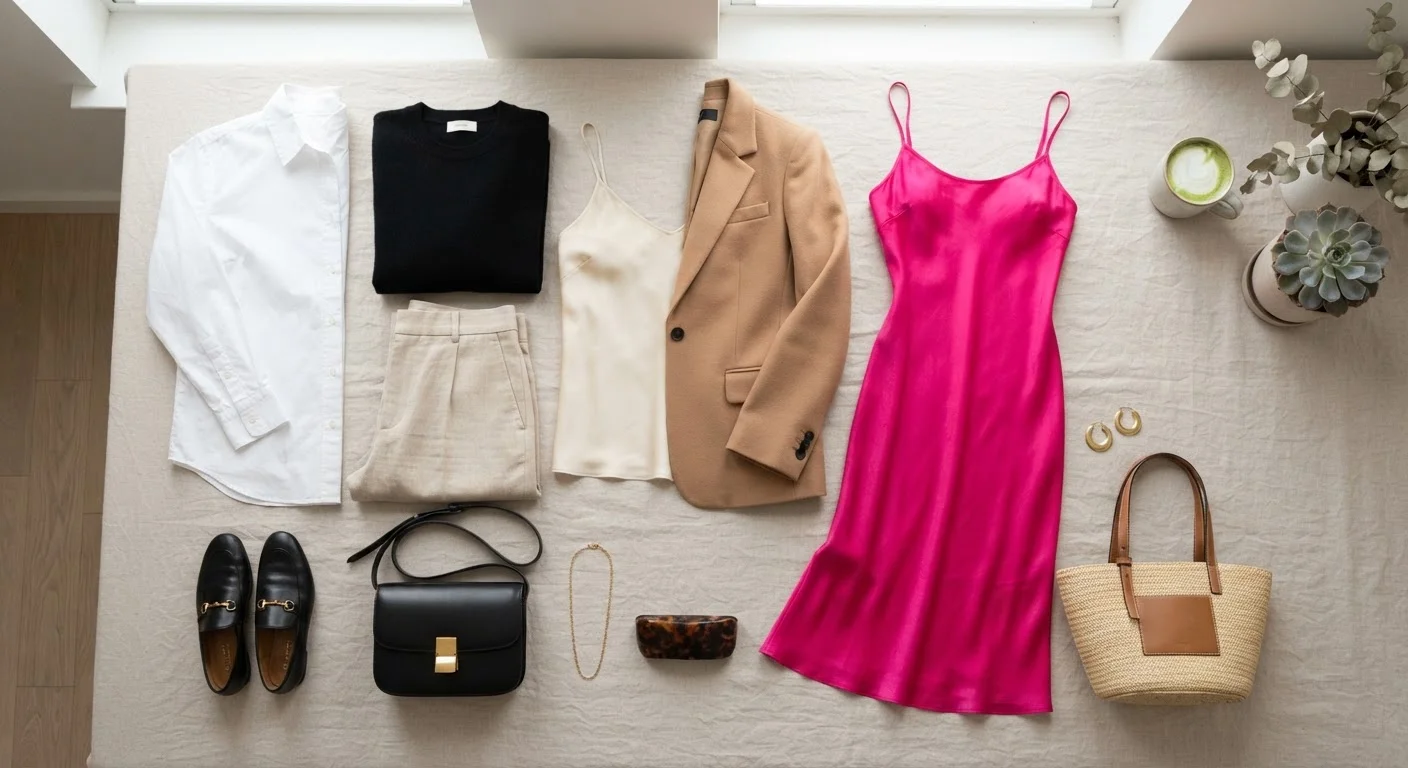
Photo: UltraSearches.com | Search Results You Can Trust editorial
Key Takeaways
- Neutral pieces serve as the flexible foundation that lets the rest of your wardrobe work together seamlessly.
- Statement pieces add personality and variety without requiring a large collection of clothes.
- The most effective everyday wardrobes rely on a ratio that leans neutral with selective statement additions.
- Statement pieces don't have to be loud - a bold cut, texture, or print can qualify just as much as a bright color.
- Understanding your actual lifestyle is the key to finding which balance genuinely works for you.
What We Actually Mean by Neutrals and Statement Pieces
The terms get thrown around a lot in style conversations, but they're worth defining clearly before you start reorganizing your closet.
Neutral pieces are garments and accessories in colors that pair easily with almost anything - think white, black, navy, grey, beige, camel, and soft olive. What makes a piece neutral isn't just color, though. Understated silhouettes, minimal hardware, and simple patterns (like a fine stripe or subtle texture) can all fall into the neutral category because they don't compete for attention. They're the supporting cast, not the lead.
Statement pieces are the opposite: they draw the eye and anchor an outfit's personality. This can mean a vivid color, an unexpected print, an oversized or sculptural silhouette, or a distinctive texture like faux fur or metallic fabric. A statement piece doesn't have to be extreme - a well-cut blazer in a deep jewel tone reads as a statement without being costume-y.
For a deeper dive into how color specifically plays into these choices, our Color Coordination Basics reference guide is a helpful companion read.
How Neutrals Work in an Everyday Wardrobe
Neutrals earn their place through sheer usefulness. A white button-down, a well-fitting pair of dark trousers, a camel coat - these items don't just work on their own; they multiply the utility of everything else you own. Style professionals often describe a wardrobe's neutral base as the connective tissue: it's what lets disparate pieces coexist in the same closet without clashing.
The practical upside is real. Fewer decisions in the morning, easier packing, and less risk of an outfit feeling "off" - these are genuine benefits. If you're working through a wardrobe audit and finding that very little in your closet coordinates, a shortage of neutrals is often the culprit.
The trade-off? A wardrobe that's only neutrals can start to feel flat, especially if you're someone who genuinely enjoys getting dressed. Neutrals solve the logistics of dressing; they don't always solve the joy of it. For a balanced look at what an all-neutral approach can and can't give you, our piece on minimalist dressing trade-offs is worth a read.
| Criterion | Neutral Pieces | Statement Pieces |
|---|---|---|
| Primary function | Versatility and coordination | Visual interest and expression |
| Mix-and-match ease | Works with almost everything | Requires more intentional pairing |
| Outfit variety from fewer items | Very high | Moderate - anchors specific looks |
| Reflects personal style | Subtly, through cut and fabric | Directly and immediately |
| Risk of going unworn | Lower - reliable and adaptable | Higher if bought impulsively |
| Best wardrobe role | Foundation and base layer | Focal point of an outfit |
What Statement Pieces Actually Do for Your Wardrobe
A great statement piece acts like a personality shortcut - it communicates something about your aesthetic before you've said a word. More practically, it can take a straightforward neutral outfit from functional to interesting without adding more pieces to the mix.
The key insight most style advice misses: statement pieces don't require a lot of confidence to pull off. They actually generate confidence when they're chosen intentionally. A printed midi skirt you genuinely love feels easy to wear because you're not second-guessing it. The problem usually isn't the boldness of the piece - it's buying something that looked great on a mannequin but doesn't reflect how you actually live and dress.
That's why the real-life fit test matters so much here. A statement piece that fits your actual routine - your job, your social life, your comfort zone - will get worn. One that only fits a fantasy version of your schedule probably won't.
~20%
Of wardrobe items worn regularly
Wardrobe studies and closet organization research consistently suggest most people actively wear only a small fraction of what they own, underscoring the value of intentional purchases.
1 in 3
Shoppers report outfit decision fatigue
Consumer behavior surveys have found that a significant share of people feel stressed choosing outfits daily, often linked to mismatched or poorly coordinated wardrobes.
Finding the Right Ratio for Your Life
There's no universal formula, but a rough guideline that many style educators suggest is building roughly 70-80% of your wardrobe in neutrals and reserving 20-30% for statement pieces. This isn't a rule to follow rigidly - it's a way of thinking about proportion.
Your ideal ratio also shifts depending on context. Someone who dresses for a conservative office five days a week may need a higher proportion of neutrals than someone with a creative job or a primarily casual lifestyle. Dress code expectations matter - our Dress Codes Decoded guide can help you calibrate based on the specific settings you dress for most often.
A few practical ways to apply this thinking:
- One statement per outfit is a reliable starting point. Let one piece lead - a printed top, a bold bag, a colorful layer - and keep everything else quieter.
- Statements can come from accessories. A vivid scarf or distinctive earrings can function as the statement element without requiring you to commit to a bold garment.
- Seasonal shifts can change the math. You might lean into more statement pieces in warmer months when layering is minimal and single pieces carry more visual weight. See our seasonal wardrobe transition guide for how to approach this practically.
"Statement" Is Relative to Your Wardrobe
The content on this site is for informational purposes only and is not a substitute for professional advice. Always consult a qualified professional for guidance specific to your situation.