
The Everyday Skincare Routine, Step by Step

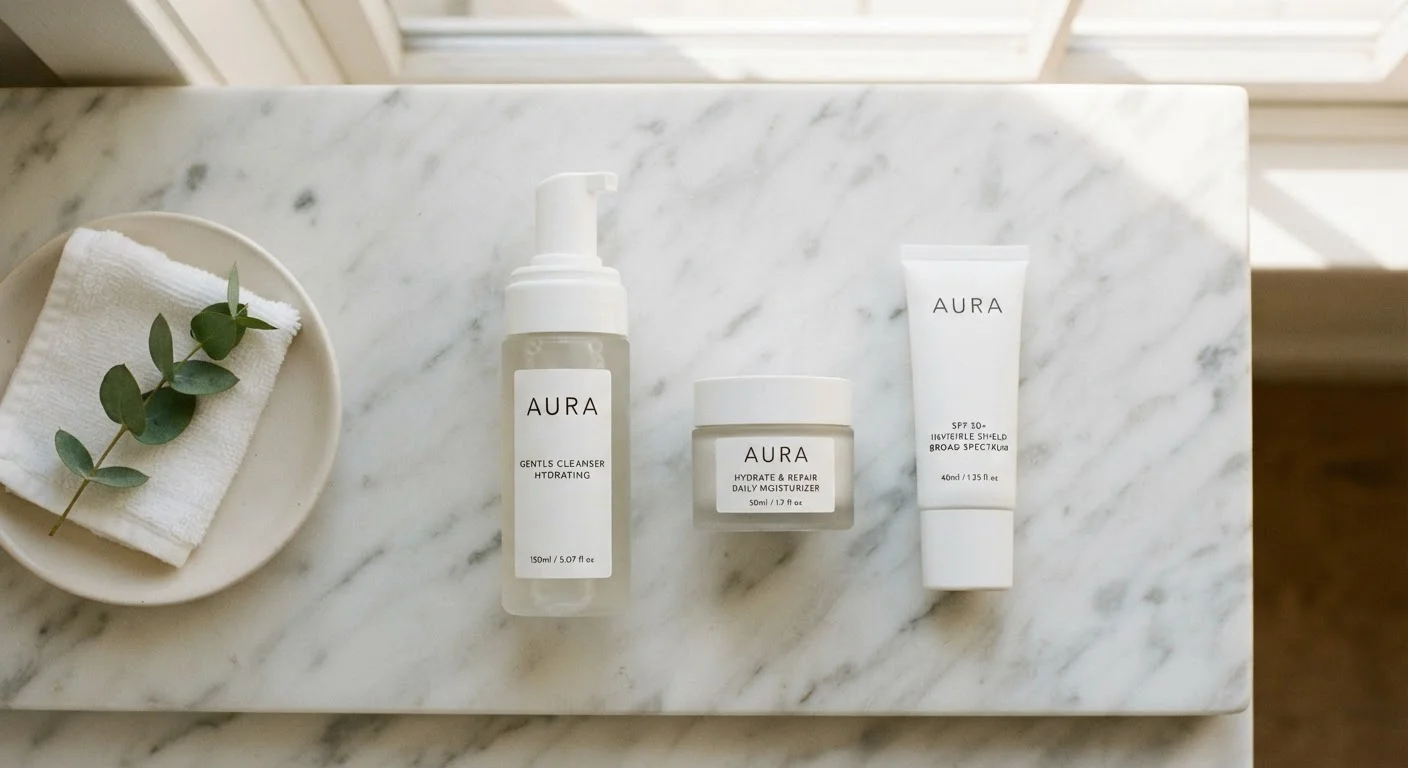
Photo: UltraSearches.com | Search Results You Can Trust editorial
Key Takeaways
- A core skincare routine needs only three steps: cleanse, moisturize, and protect with SPF.
- Morning and evening routines serve different purposes and can use slightly different products.
- Consistency over weeks matters far more than using advanced or expensive products.
- Skin type guides which product formulas suit you best across all skin tones and types.
- Introducing one new product at a time helps you identify what's working and what isn't.
Why a Simple Routine Beats a Complicated One
The skincare aisle can feel overwhelming - dozens of serums, toners, essences, and treatments all promising transformation. But dermatologists broadly agree on something reassuring: the basics do most of the heavy lifting. A consistent three-step routine practiced daily will outperform an elaborate ten-step routine applied sporadically.
This guide breaks down exactly what to do in the morning and evening, why each step matters, and how to adapt it to your skin type - whether you're starting from scratch or resetting after a chaotic streak. For a deeper look at how these habits fit into your overall self-care practice, see our overview of personal grooming habits that actually stick.
Consistency Is the Real Secret
Understanding Your Skin Type Before You Shop
Before choosing any product, it helps to know what you're working with. The four common skin types are:
- Oily: Shiny appearance, enlarged pores, prone to breakouts. Benefits from lightweight, non-comedogenic (non-pore-blocking) formulas.
- Dry: Tight or flaky feeling, especially after cleansing. Responds well to richer, cream-based moisturizers.
- Combination: Oily in the T-zone (forehead, nose, chin), drier on the cheeks. Often does best with a balanced, gel-cream moisturizer.
- Sensitive: Reacts easily to new products, fragrances, or environmental changes. Fragrance-free, minimal-ingredient formulas are generally safest.
You don't need to visit a professional to identify your type - simply wash your face with a gentle cleanser, wait 30 minutes without applying anything, then notice how your skin feels. That observation is your starting point.
What you will need
Your Step-by-Step Morning and Evening Routine
The steps below cover both AM and PM routines, with notes on where they differ. For more on why sequence matters, check out our guide to layering skincare products in the right order.
Cleanse (AM and PM)
Use a gentle, pH-balanced cleanser morning and night. In the morning, cleansing removes sweat and overnight oil buildup. At night, it removes sunscreen, pollution, and - if applicable - makeup. Wet your face with lukewarm water, apply a small amount of cleanser, massage in gentle circular motions for about 30 seconds, then rinse thoroughly.
AM vs. PM tip: Some people with dry or sensitive skin prefer to rinse with water alone in the morning and reserve cleanser for the evening only. Either approach can work - listen to your skin.
Apply a Treatment or Serum (Optional, PM-focused)
If you choose to use a targeted treatment - such as a niacinamide serum for uneven tone or a retinoid for cell turnover - this is the step where it goes, applied to slightly damp or freshly dried skin. Treatments are optional at the beginner stage. If you're just starting out, skip this step and return to it after your core routine is established.
Most active treatments are best used in the evening, as some (particularly retinoids) increase sun sensitivity.
Moisturize (AM and PM)
Apply moisturizer while skin is still slightly damp - this helps lock in hydration more effectively. Use a pea- to dime-sized amount and smooth it over your face and neck using gentle upward strokes. Don't forget the neck, which is often overlooked.
Your AM and PM moisturizer can be the same product, or you may prefer a lighter formula in the morning and a richer one at night. Both approaches are valid.
Apply Sunscreen - Morning Only
SPF is the single most evidence-supported step in any skincare routine for protecting long-term skin health. Apply a broad-spectrum SPF 30 or higher as the final step every morning - even on cloudy days or when you plan to stay indoors, since UV light passes through windows.
Use about a nickel-sized amount for the face alone. If your moisturizer contains SPF, you can combine steps 3 and 4, though separate products generally offer more reliable coverage.
Patch Test New Products First
Building On Your Routine Over Time
Once the core three steps feel natural - and your skin has had a few weeks to settle - you can consider adding targeted treatments like a vitamin C serum in the morning or a retinoid at night. These are optional additions, not essentials, and they're best introduced one at a time so you can track how your skin responds.
If you ever notice a plateau where your products seem less effective, that's a common experience. Our article on why skincare products stop seeming to work explains the real reasons behind it.
Short on time or budget? You don't have to do everything. Our guide to building a minimal routine when time or budget is tight helps you identify which single steps matter most when you can only do a few.
This article is for informational and educational purposes only and is not a substitute for advice from a qualified dermatologist or healthcare professional. If you have a skin condition, allergy, or concern, please consult a licensed professional before beginning a new skincare routine.
The content on this site is for informational purposes only and is not a substitute for professional advice. Always consult a qualified professional for guidance specific to your situation.