
Layering Skincare Products in the Right Order

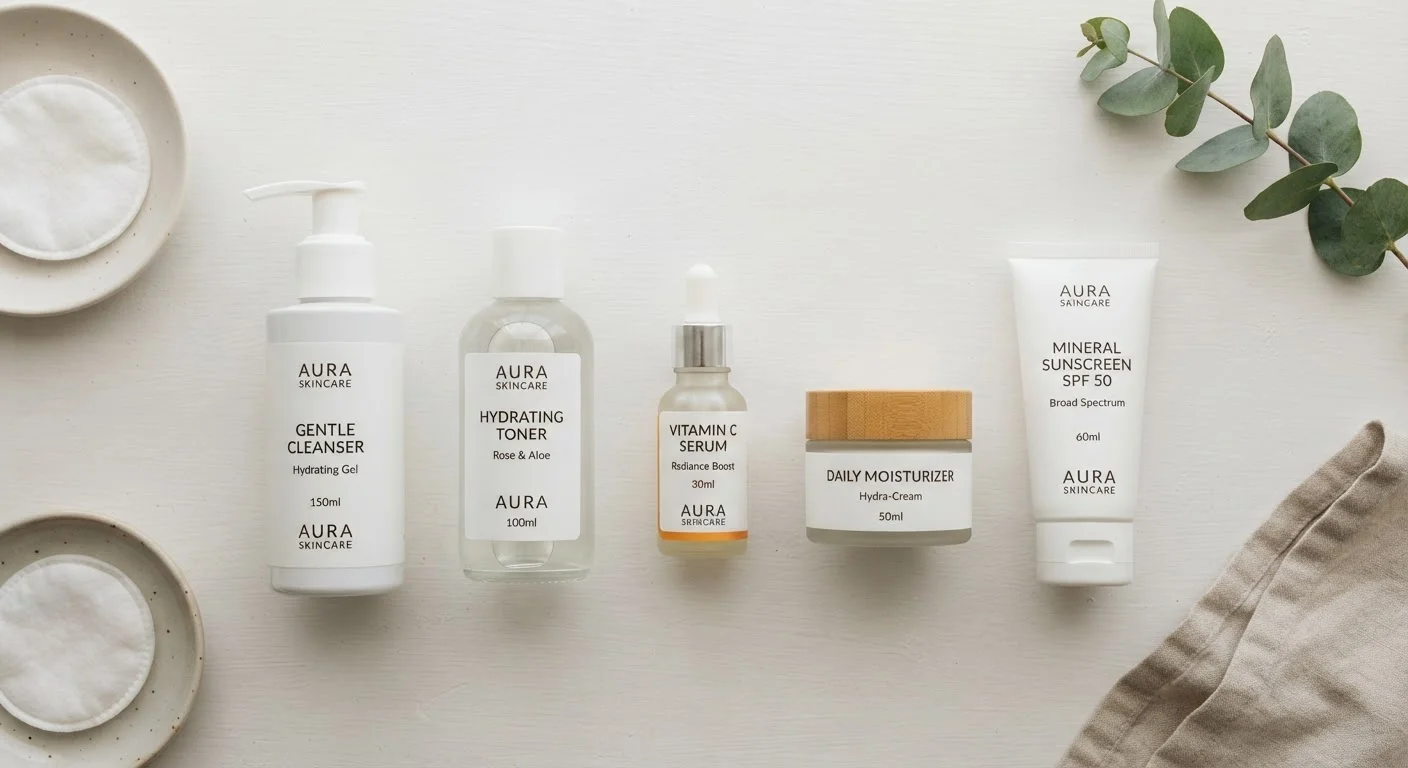
Photo: UltraSearches.com | Search Results You Can Trust editorial
Key Takeaways
- Apply skincare products thinnest to thickest - lighter formulas absorb first and prep skin for heavier ones.
- Sunscreen always goes on last in a daytime routine, after moisturizer, to stay effective.
- Waiting 30-60 seconds between steps gives each product a chance to settle before the next is applied.
- Skipping steps or applying in the wrong order can reduce absorption and may cause pilling or irritation.
- A simple three-step routine done consistently outperforms a complex one done incorrectly.
Why Order Actually Matters
Skincare layering isn't a ritual invented by beauty enthusiasts to make routines feel fancy - it's rooted in how skin actually absorbs different formulas. Skin acts as a selective barrier, and products applied on top of heavier layers have a much harder time penetrating. Get the sequence wrong, and your carefully chosen serum might sit on top of your moisturizer, doing very little at all.
The foundational rule is straightforward: go thinnest to thickest. Water-based, lightweight formulas go first; oils, creams, and physical barriers go last. This logic ensures that each layer can reach the skin before being sealed in - or sealed out - by what comes next.
If you've ever wondered why your products seem to pill or ball up when you apply them, product order (and applying too quickly) is often the culprit. A little patience and a logical sequence can fix both problems without buying anything new.
The General Layering Sequence
While every routine is personal, most dermatologists and estheticians agree on a general framework. Here's how the logic flows:
- Cleanser - Always start with clean skin. Cleansing removes dirt, oil, and residue so subsequent products aren't working against a barrier of buildup.
- Toner or essence - These lightweight, water-based liquids help balance skin's pH and prime it to absorb what comes next. Apply with clean hands or a cotton pad.
- Targeted treatments (serums, ampoules) - Serums are concentrated, thin formulas designed to deliver active ingredients - like vitamin C, niacinamide, or hyaluronic acid - directly to skin. They go on before moisturizer so nothing blocks their path. To understand what those active ingredients actually are, see our guide to reading skincare ingredient labels.
- Eye cream - If you use one, apply it before moisturizer. The eye area is delicate, and layering a heavier cream on top first can prevent eye cream from absorbing.
- Moisturizer - This seals in the layers beneath and maintains the skin's moisture barrier. Even oily skin types generally benefit from a lightweight moisturizer.
- Face oil (if used) - Oils are occlusive, meaning they sit on top and prevent moisture from escaping. They go over moisturizer, not under it.
- Sunscreen (AM only) - Sunscreen is the final step in a morning routine, full stop. Applying anything on top of it dilutes its protective coverage. Learn more about why daily SPF is considered non-negotiable by dermatologists.
Wait 30-60 seconds between each product layer before applying the next.
Apply products using gentle pressing or patting motions rather than rubbing.
Use only a small, pea-sized amount of each product unless directed otherwise.
Keep your nighttime routine rich and your morning routine lean.
Never apply a face oil before a water-based serum.
Common Layering Mistakes - and Easy Fixes
Even with the best products, a few missteps can undercut the whole routine. Here are the ones that come up most often:
One important note: if your routine includes both morning and evening steps, the PM sequence is slightly different. You'll skip sunscreen at night and may add richer treatments like retinoids or overnight masks at the end. And if you've ever felt like your products simply stopped working, it's worth considering whether layering or application technique - not the formula itself - is the issue. Our article on why skincare products seem to stop working digs into this further.
Skincare also overlaps naturally with broader grooming habits - cleansing, moisturizing, and SPF aren't exclusively a beauty-counter concern. See how these steps fit into a complete grooming routine for a fuller picture.
This article is for informational purposes only and does not constitute medical or dermatological advice. If you have a skin condition or concerns about specific ingredients, consult a qualified dermatologist or skincare professional.
The content on this site is for informational purposes only and is not a substitute for professional advice. Always consult a qualified professional for guidance specific to your situation.