
Reading a Mechanic's Estimate Without Getting Lost

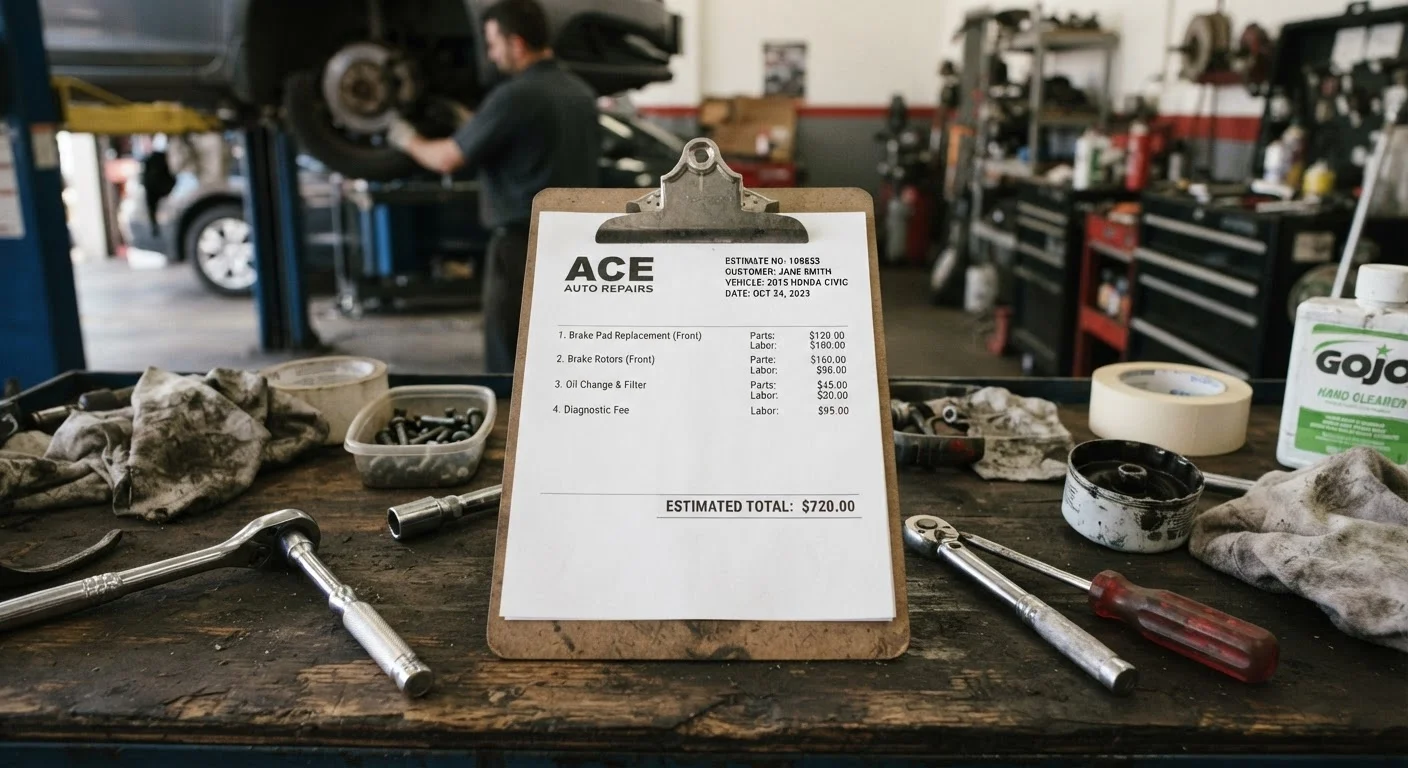
Photo: UltraSearches.com | Search Results You Can Trust editorial
Key Takeaways
- Repair estimates are divided into labor, parts, and fees - each section means something different.
- Labor rates are typically charged per flat-rate hour, not actual clock time spent on your car.
- OEM and aftermarket parts differ in origin and cost; knowing the difference lets you ask better questions.
- A written estimate is a negotiating starting point - you have the right to ask for clarification or a second opinion.
- Surprise charges often appear as shop supplies or environmental fees, which are legitimate but worth understanding.
Why Estimates Look So Complicated
A repair estimate is essentially a formal quote broken into three cost categories: parts, labor, and fees. Shops structure them this way because each category carries a different markup logic and, in many states, has separate disclosure requirements. The density of the document isn't accidental - it's the shop protecting itself legally - but that same structure works in your favor once you know how to read it.
Before diving into line items, confirm the estimate includes the shop's name and address, your vehicle's year, make, model, and VIN (Vehicle Identification Number), the date, and a signature line for your authorization. Missing any of these is a reason to pause. If you've ever struggled to decode a similarly formatted document, the same skills apply - compare how reading an Explanation of Benefits works for medical bills.
What you will need
What You're Actually Being Charged For
Labor charges are almost always quoted using a flat-rate system. The shop references an industry labor guide that assigns a fixed number of hours to a specific job - say, 2.4 hours to replace a water pump on a particular engine. The tech might finish in 1.8 hours or take 3, but you pay the flat rate either way. That rate is multiplied by the shop's hourly labor cost, which varies by region and shop type but typically runs between $80 and $160 per hour at independent shops, and higher at dealerships. Knowing this prevents sticker shock when a job looks quick but the labor bill feels large.
Parts charges will either reference OEM (Original Equipment Manufacturer) parts - made to the same spec as your factory components - or aftermarket alternatives sourced from third-party suppliers. Aftermarket parts are not automatically inferior, but quality varies. Ask the service advisor which type is quoted and whether you have a choice. The estimate should list the part number, description, and unit cost for each component.
Fees are the line items most drivers overlook. Shop supply fees cover consumables like rags, chemicals, and fasteners used during the repair. Environmental fees typically reflect disposal costs for fluids and hazardous materials. These are standard and legitimate, but they should be itemized - not bundled into a single mystery charge. A typical shop supply fee runs 5-15% of the labor total, though this varies widely.
Watch for Vague Line Items
Step-by-Step: Working Through the Estimate
Follow these steps in order to review any estimate methodically before signing off on work.
Confirm the Vehicle and Customer Information
Verify that your name, vehicle VIN, mileage, and the date are all correctly recorded at the top of the estimate. Errors here can matter if there's a dispute later or if warranty coverage on parts depends on mileage documentation.
Separate Labor, Parts, and Fees into Three Groups
Use a pen or a notes app to physically group each line item into its category. This makes the total cost of each component clear and helps you identify which areas are driving the overall price. Most shops subtotal each category before the grand total, but not all do.
Review Each Parts Line for Type and Part Number
For every part listed, note whether it's OEM or aftermarket and record the part number. You can look up part numbers independently to verify the description matches what's listed and, optionally, to get a general sense of typical retail prices. Ask the advisor if any quoted parts carry a warranty, and how long it lasts.
Calculate the Labor Hours and Rate
Divide the total labor charge for each line item by the shop's stated hourly rate to determine how many hours are being billed. Compare that to publicly available flat-rate guides if you have access, or simply ask the advisor how many hours the job is quoted at and why. This is a routine question - good shops answer it without hesitation.
Ask About Any Charge You Cannot Identify
Write down every line item description you don't recognize before calling or returning to the shop. Ask specifically: What does this cover? Is it required for the repair to be done correctly? What happens if I decline it? Note the answers. A legitimate charge will have a plain-language explanation.
Decide, Authorize in Writing, and Keep Your Copy
Once you're satisfied with the explanation of each charge, sign the estimate only for the work you're authorizing. If you want to defer certain items, ask the shop to mark them as declined on the same document. Keep a copy - photograph it if the shop only has one physical copy - before leaving your vehicle.
Photograph the Estimate Before You Leave
Making an Informed Decision
Once you understand the estimate's structure, you're in a position to make a real decision rather than guessing. If a repair aligns with your manufacturer's recommended maintenance schedule, that's a useful data point - check our guide on manufacturer maintenance schedules to cross-reference. For larger jobs, it's also worth thinking through whether the repair cost makes financial sense relative to the vehicle's current value - the kind of reasoning covered in general budgeting basics.
You are never obligated to approve work on the spot. A reputable shop will hold your vehicle while you seek a second opinion on a significant repair. If the shop pressures you to decide immediately, that behavior itself is worth factoring into your decision.
Get It in Writing Before Approving Work
The content on this site is for informational purposes only and is not a substitute for professional advice. Always consult a qualified professional for guidance specific to your situation.