
Before You Pull Out of the Driveway: A Driver's Pre-Trip Safety Checklist

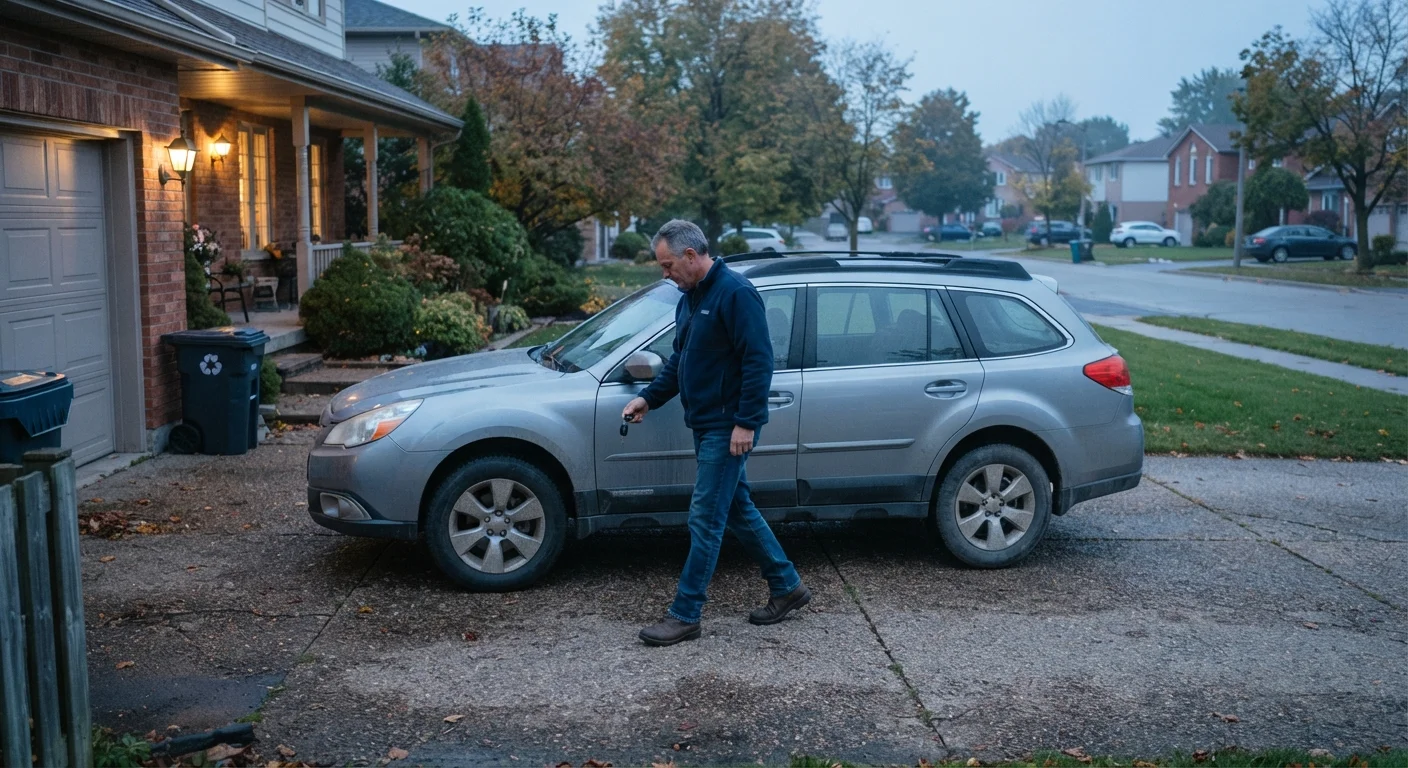
Photo: UltraSearches.com | Search Results You Can Trust editorial
Key Takeaways
- Most pre-trip checks take under ten minutes and can prevent breakdowns and collisions.
- Tire pressure and tread condition are among the highest-impact items to verify regularly.
- Personal readiness - fatigue, distraction, and medication effects - matters as much as the vehicle.
- Mirrors, seatbelts, and lights should be confirmed before every single drive, not just long trips.
- Building a consistent pre-trip habit reduces the mental load and makes safety automatic.
Why a Pre-Trip Check Is Worth Two Minutes Every Time
Most drivers associate pre-trip inspections with long road trips or commercial truck regulations - not a quick grocery run. But the majority of crash-causing mechanical failures, from bald tires to burned-out brake lights, develop gradually and go unnoticed until they become emergencies on the road.
A structured pre-trip routine closes that gap. It's not about paranoia; it's about giving yourself sixty seconds of attention that your vehicle can't give itself. For new drivers especially, these habits form the foundation of responsible ownership - see our guide to road safety for new drivers for a broader look at building lasting safe-driving habits.
Use the checklist below before any drive, short or long. For dedicated pre-trip preparation before extended travel, the long road trip preparation checklist goes deeper on fluids, emergency kits, and route planning.
Exterior Walk-Around
Under the Hood (Weekly or Before Longer Trips)
Inside the Cabin
Personal Readiness
Tools to Keep in Your Vehicle
You don't need a mechanic's toolkit for a pre-trip check. A small collection of inexpensive items lets you act on what you find rather than just noting a problem and driving away anyway.
Tire pressure gauge
Accurately measures PSI in each tire so you can inflate to the manufacturer's recommended level, found on the driver's door jamb sticker.
Tread depth gauge
Provides a precise measurement of remaining tire tread depth; tires typically need replacement at or below 2/32 of an inch.
Flashlight or work light
Helps you inspect under the vehicle and under the hood in low-light conditions like early morning or evening departures.
Engine oil, coolant, and washer fluid
Keep small reserve quantities in the trunk so you can top off fluids on the spot if levels are low during your check.
Basic emergency kit
A kit containing a reflective triangle, jumper cables, a first-aid kit, and a flashlight ensures you're prepared if something goes wrong en route.
For ongoing vehicle health beyond the pre-trip routine, the car maintenance hub covers scheduled service intervals, fluid specs, and what warning lights actually mean.
After the Check: Drive With the Right Mindset
A clean pre-trip check sets you up - but it doesn't drive the car for you. Once you're moving, the habits that keep you safe are behavioral, not mechanical. Smooth scanning of intersections, appropriate following distances, and resisting the pull of your phone all matter more once the vehicle is in motion.
Don't Drive Through a Failed Check
Defensive driving techniques are the natural complement to a strong pre-trip routine. And if your driving regularly includes highway travel, understanding where highway driving gets dangerous will sharpen your situational awareness where crash severity is highest.
This article provides general vehicle safety information for educational purposes only. It is not a substitute for professional mechanical inspection. If you identify a potential safety issue with your vehicle, have it evaluated by a qualified mechanic before driving.
The content on this site is for informational purposes only and is not a substitute for professional advice. Always consult a qualified professional for guidance specific to your situation.