
Preparing Your Car for a Long Road Trip

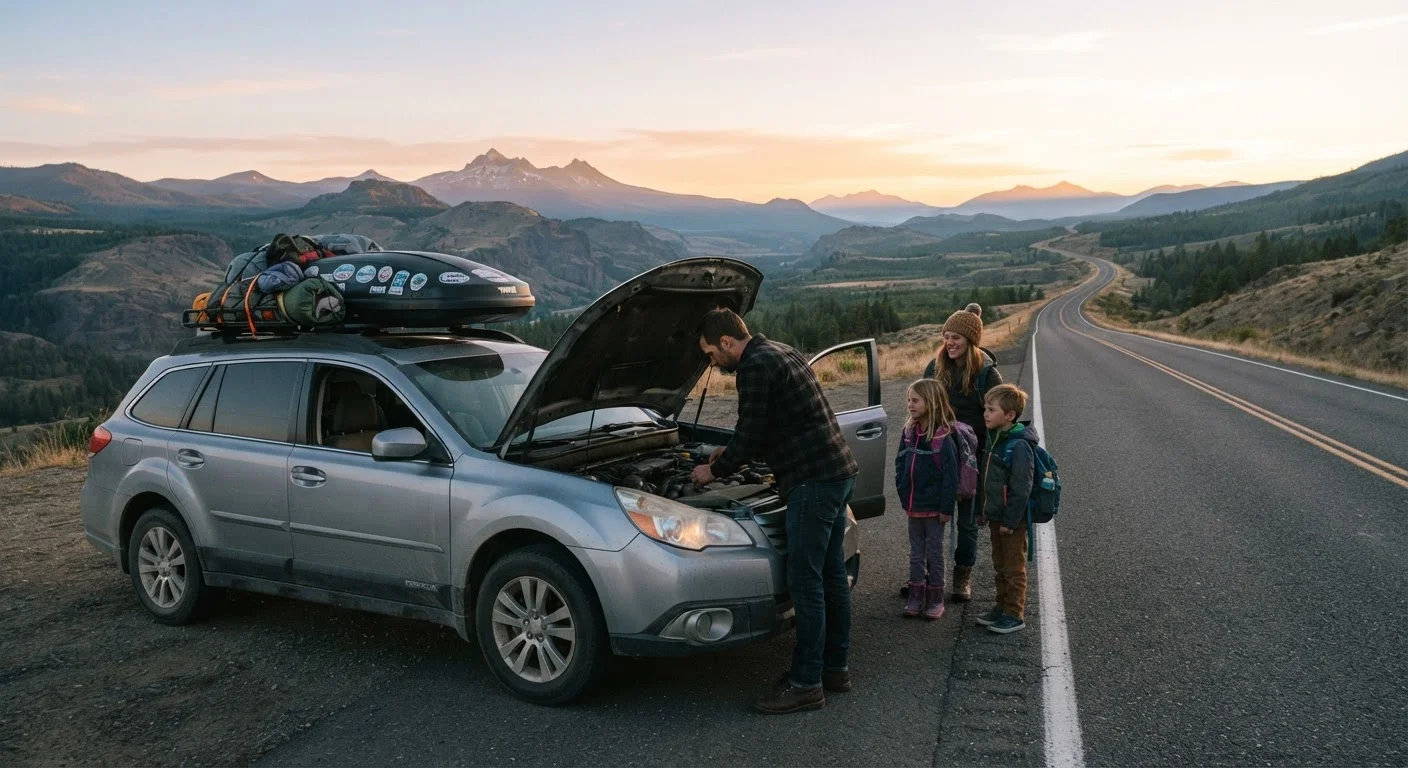
Photo: UltraSearches.com | Search Results You Can Trust editorial
Key Takeaways
- Check all fluid levels-oil, coolant, brake fluid, and transmission fluid-at least a week before departure.
- Tire condition and pressure are among the most critical safety checks before any long drive.
- A basic emergency kit can make a significant difference if you break down in a remote area.
- Verify your insurance card and roadside assistance information are current and in the vehicle.
- High-mileage vehicles warrant extra scrutiny-belts, hoses, and brakes deserve closer inspection.
Why Pre-Trip Prep Is Worth the Time
A long road trip puts significantly more stress on your vehicle than daily commuting. Higher sustained speeds generate more heat in your engine, tires, and brakes. Extended hours on the road can expose a marginal battery, a slow coolant leak, or a tire with insufficient tread depth-problems that routine short drives may never surface. The good news: most failure points are detectable with a focused inspection before you leave the driveway.
This checklist is designed to be completed the week before your trip, not the morning of. That timeline gives you time to schedule a mechanic appointment if something needs professional attention. For a broader look at how your maintenance needs shift throughout the year, see our seasonal car maintenance guide, which pairs well with this pre-trip review.
Don't Rely on Dashboard Warning Lights Alone
High-Mileage Vehicles Need Extra Scrutiny
What to Check and How to Do It
Work through the checklist below in the order presented. Starting with fluids and engine health means your engine will have cooled if you check it in the morning, making dipstick readings more accurate. Group each section into a single 20-minute garage session rather than scattered checks across multiple days-you're less likely to miss something.
Fluids & Engine Health
Tires & Wheels
Lights & Visibility
Belts, Brakes & Under the Hood
Emergency Supplies & Documents
For context on what standard maintenance intervals look like and why staying current matters financially, our overview of routine maintenance your car actually needs is a useful companion resource.
Tools and Supplies to Have on Hand
You don't need a professional tool kit to run through this checklist, but a few basic items make the process faster and more reliable. Keep your owner's manual accessible throughout-it contains the exact fluid specifications, torque values, and tire pressure ratings for your specific vehicle, which generic advice cannot replace.
Tire pressure gauge
Verify that all four tires and the spare are inflated to the correct PSI before departure.
Penny (tread depth test)
A quick DIY method to check whether tire tread depth is above a safe threshold.
Portable jump starter
Restart a dead battery without needing another vehicle present-especially useful in remote areas.
Flashlight with fresh batteries
Inspect under the hood and beneath the vehicle in low-light conditions or at night.
Reflective warning triangles or road flares
Alert other drivers if you are stopped on the shoulder due to a breakdown.
Owner's manual
Reference manufacturer-specific fluid specs, tire pressure recommendations, and maintenance intervals.
Documents, Insurance, and Emergency Readiness
Mechanical readiness gets most of the attention, but administrative preparation matters too. Confirm your auto insurance policy is active and that your coverage card reflects the current term. If you're crossing state lines, coverage requirements don't change-your existing liability coverage travels with you domestically-but knowing your policy limits and your insurer's claims number in advance is practical. For a broader look at what your auto policy should include, see our hub on auto and home insurance.
Schedule a Mechanic Visit If You're Unsure
Finally, share your route and estimated arrival time with someone not traveling with you. If your vehicle breaks down in a low-coverage area, having someone who knows your itinerary can help coordinate assistance more quickly. For a shorter pre-departure habit that complements this deeper checklist, our pre-trip safety checklist covers quick checks worth building into every drive.
The content on this site is for informational purposes only and is not a substitute for professional advice. Always consult a qualified professional for guidance specific to your situation.