
Driving in Bad Weather Without Losing Control

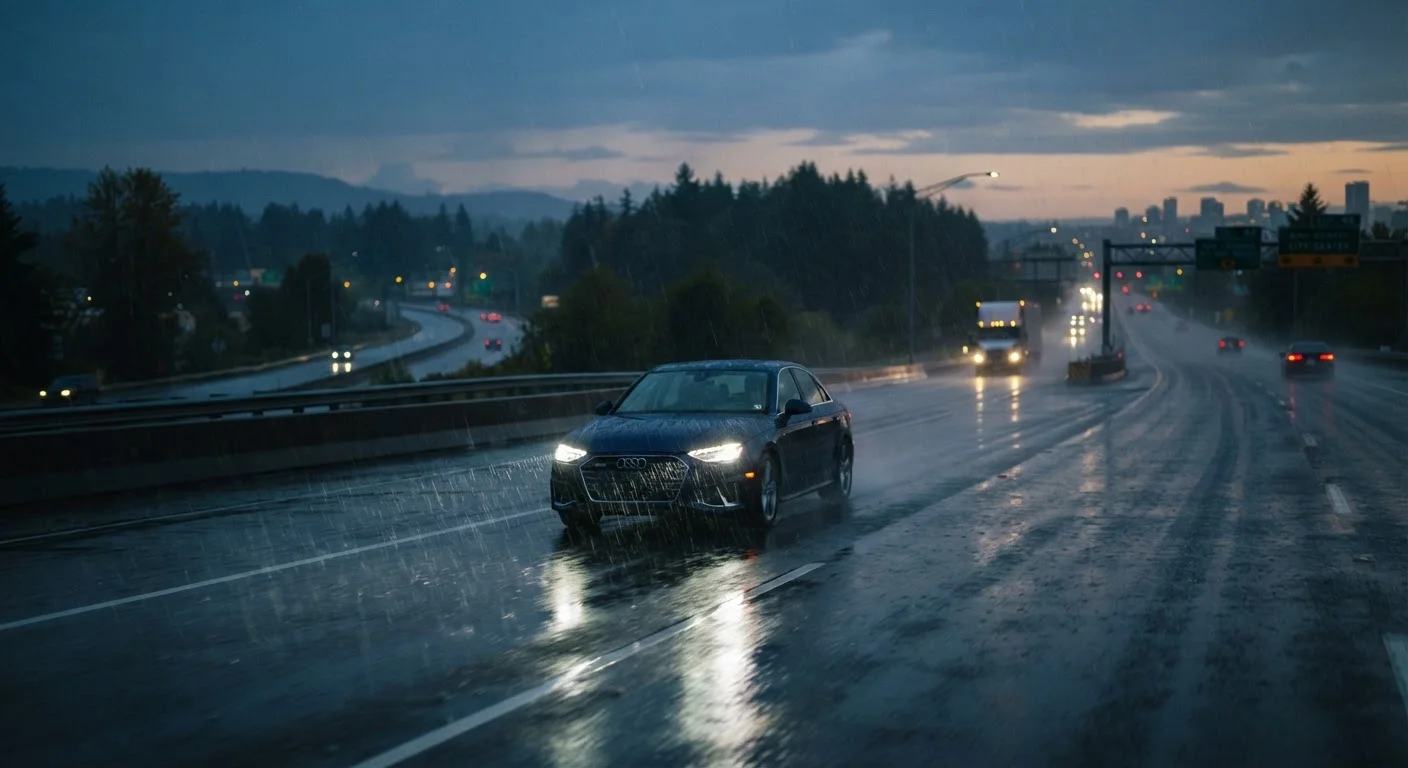
Photo: UltraSearches.com | Search Results You Can Trust editorial
Key Takeaways
- Slowing down is the single most effective adjustment in any bad weather condition.
- Rain, ice, fog, and wind each require distinct responses - one approach does not fit all.
- Increasing following distance gives you the stopping room that wet or icy roads demand.
- Vehicle preparation - tires, wipers, lights - reduces risk before bad weather arrives.
- If conditions become dangerous enough, pulling off safely is a legitimate and smart choice.
Why Weather Dramatically Changes the Risk Equation
Most crashes happen in conditions that drivers consider manageable - light rain, patchy fog, a dusting of snow. Overconfidence in familiar weather is a more common factor than truly extreme conditions. The Federal Highway Administration attributes roughly 21% of all vehicle crashes annually to weather-related factors, with wet pavement and rain accounting for the largest share.
The underlying problem is that adverse weather shortens every margin a driver relies on: stopping distance increases, visibility narrows, and traction decreases - sometimes all at once. Standard habits developed in dry conditions become insufficient, and the adjustments required are specific, not generic.
For a foundational look at situational awareness and hazard recognition that applies across all conditions, see our guide on defensive driving. The habits it covers are the baseline on which bad-weather technique builds.
What you will need
Preparing Your Vehicle Before Conditions Deteriorate
Bad-weather driving performance starts before you get in the car. A vehicle with worn tires, streaky wipers, or underinflated tires will perform poorly even with perfect driver technique. Tire tread depth directly affects how quickly water is channeled away from the contact patch - below 4/32 of an inch, wet-weather braking distances increase noticeably. At 2/32 of an inch (the legal minimum in most states), grip in rain or snow is severely compromised.
All-Season or Winter Tires
Provide grip on wet, slushy, or icy pavement that all-season tires alone may not deliver in severe cold.
Windshield Wiper Blades (good condition)
Clear rain and snow effectively so visibility is not compromised during precipitation.
Ice Scraper and Snow Brush
Remove snow and ice from all windows, mirrors, and lights before driving in winter conditions.
Vehicle Emergency Kit
Includes jumper cables, a flashlight, blanket, and basic tools in case a breakdown occurs in severe weather.
Check Your Vehicle Before Storm Season
Drivers who rely on modern assistance systems - lane-keeping, automatic emergency braking, traction control - should be aware that these systems have defined limits in severe weather. Our article on driving assistance technology explains what these systems can and cannot do when conditions degrade.
Step-by-Step: Adjusting Your Driving When Weather Turns
Reduce Your Speed Before Conditions Force You To
Posted speed limits reflect ideal dry conditions. In rain, reduce speed by at least 5-10 mph; in snow or ice, a reduction of 20-30 mph or more may be appropriate depending on visibility and road surface. The key principle: slow down proactively, not reactively. By the time you realize you're going too fast for conditions, your braking distance may already exceed the space available.
Increase Your Following Distance Significantly
The standard three-second following distance is designed for dry pavement. On wet roads, increase it to at least five to six seconds. On packed snow or ice, eight to ten seconds is a reasonable minimum. A longer gap gives you time to react and brakes room to work before you close on the vehicle ahead. This is especially critical on highways where closing speeds are high.
Adjust for the Specific Hazard You're Facing
Each weather type demands a targeted response:
- Rain: Watch for hydroplaning - a sensation where your tires ride on a water film and lose road contact. If it happens, ease off the accelerator smoothly without braking or steering sharply until traction returns.
- Fog: Use low-beam headlights, not high beams (high beams reflect off fog and reduce visibility further). Reduce speed and use road markings as a guide. If fog is dense, pull off at a safe location with your hazard lights on.
- Ice and Snow: Accelerate and brake gently. Avoid abrupt steering inputs. If your vehicle skids, steer in the direction you want to go while easing off the gas.
- High Wind: Grip the steering wheel firmly with both hands. Be prepared for gusts when passing large vehicles, crossing bridges, or exiting wooded areas. Wind is especially unpredictable for trucks, SUVs, and vehicles with roof loads.
Use Lights Correctly and Keep Them Clear
Headlights in rain or low visibility are not just about what you can see - they're about making your vehicle visible to others. In most U.S. states, law requires headlights when wipers are in use. Turn signals matter more in bad weather, not less, because other drivers have reduced time to anticipate your movements. Before you drive, clear all snow, ice, and mud from every light, including taillights and brake lights.
Know When to Pull Over and Wait
Not every weather event should be driven through. If visibility drops below what feels manageable, if the road surface becomes unpredictable, or if your vehicle is struggling to maintain a safe path - pulling off the road is a valid and often correct decision. Choose a rest area, parking lot, or wide shoulder well clear of travel lanes. Keep hazard lights on. Waiting out a severe squall or ice storm for 20-30 minutes can be the decision that prevents a crash.
Black Ice Has No Visual Warning
Cruise Control Doesn't Belong in Wet Weather
New or less-experienced drivers may find adverse weather especially challenging. The guide on road safety for new drivers covers the foundational habits worth developing before facing difficult conditions. Similarly, if you regularly drive highways in rain or winter weather, the risks covered in highway driving hazards are directly relevant.
The content on this site is for informational purposes only and is not a substitute for professional advice. Always consult a qualified professional for guidance specific to your situation.