
Night Driving: How Darkness Changes the Risk Equation

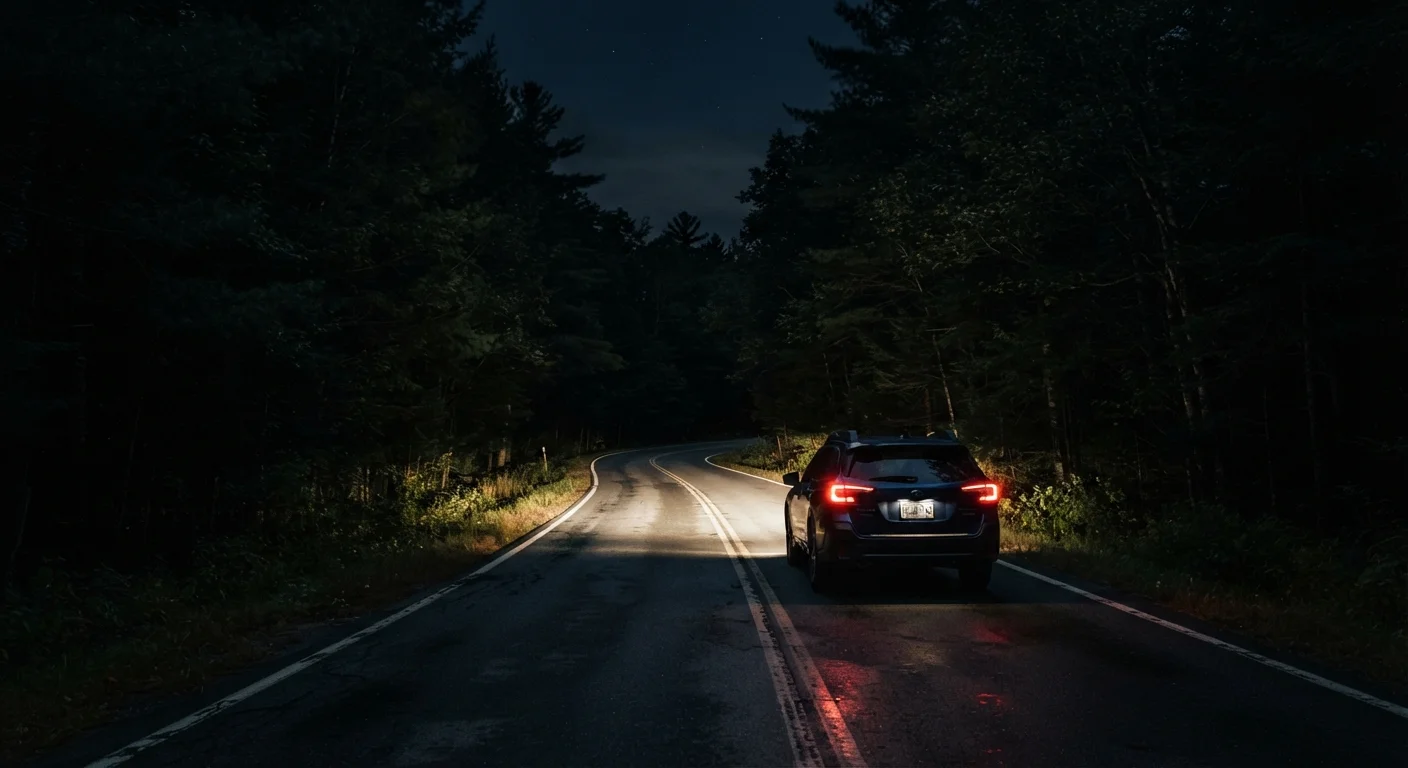
Photo: UltraSearches.com | Search Results You Can Trust editorial
Key Takeaways
- Fatal crash rates per mile driven are roughly three times higher at night than during daylight hours.
- Headlight range typically caps at 350-500 feet, but highway stopping distances at speed can exceed that.
- Fatigue, alcohol impairment, and reduced pedestrian visibility combine to make midnight-to-4 a.m. the most dangerous window.
- Simple habits - clean headlights, reduced speed, increased following distance - meaningfully reduce nighttime risk.
- Older drivers face compounding challenges at night due to natural changes in vision and glare sensitivity.
Why Night Driving Is Statistically More Dangerous
Darkness doesn't just make it harder to see - it fundamentally shifts the odds of a serious crash. According to the National Safety Council, roughly half of all traffic fatalities occur at night, even though far fewer miles are driven after dark. That disproportion reflects a convergence of hazards: compressed visibility, a higher prevalence of impaired drivers, and the physiological effects of fatigue on driver performance.
Human vision is optimized for daylight. At night, peripheral vision narrows, depth perception degrades, and the ability to distinguish color and contrast drops sharply. Your headlights typically project usable light 350-500 feet ahead - but at 65 mph, your vehicle travels about 95 feet per second. That leaves a thinner safety margin than many drivers realize.
For a broader look at how nighttime risk fits into the full picture of U.S. road safety, see this comprehensive road safety guide.
~50%
Of traffic fatalities occur at night
The National Safety Council estimates roughly half of all traffic deaths happen in darkness, despite significantly lower nighttime traffic volume.
3×
Higher fatal crash rate per mile at night
Mile for mile, nighttime driving carries approximately three times the fatal crash risk of daytime driving, according to NHTSA data.
Up to 80%
Headlight output lost to lens oxidation
AAA research found severely oxidized headlight lenses can reduce usable light output by as much as 80% compared to new lenses.
The Hidden Hazards After Dark
Three hazard categories dominate nighttime crash data: impaired road users, fatigued drivers, and pedestrians. The window between midnight and 4 a.m. concentrates all three.
Impaired drivers: Alcohol-involved fatalities are disproportionately concentrated at night. Drivers under the influence of alcohol or other substances have slower reaction times, reduced lane discipline, and impaired judgment - and they're harder to anticipate because their behavior is less predictable. Our article on impaired driving - including fatigue and medications explains how impairment extends well beyond alcohol.
Driver fatigue: The body's circadian rhythm creates genuine drowsiness peaks in the early morning hours regardless of how much sleep a driver got. Fatigue slows reaction time in ways that closely mirror alcohol impairment - yet many drivers underestimate it.
Pedestrians and cyclists: Most pedestrian fatalities occur at night, often at non-intersection locations. Many pedestrians overestimate how visible they are to oncoming traffic, especially on unlit roads.
Older Drivers Face Added Nighttime Challenges
Best Practices for Safer Night Driving
Adjusting your habits for nighttime conditions isn't about driving timidly - it's about matching your speed and following distance to your actual sight lines and stopping capability. The practices below are grounded in established road safety guidance.
Slow down to match your headlight range, not the posted speed limit alone.
Increase your following distance to at least four seconds behind the vehicle ahead.
Clean your headlights and windshield regularly, and ensure headlights are properly aimed.
Use high beams on unlit roads and switch to low beams promptly when traffic approaches.
Schedule rest stops when driving late at night or on long overnight trips.
These habits reinforce the broader principles of defensive driving, which apply around the clock but matter most when visibility is low.
Quick Actions You Can Take Before Tonight's Drive
You don't need to overhaul your driving style overnight. A few targeted adjustments before you get behind the wheel make an immediate difference.
If weather compounds darkness - rain, fog, or snow - the risks multiply. Our guidance on driving in bad weather covers the specific adjustments those conditions demand.
This article is for general informational purposes only. Always observe applicable traffic laws and consult qualified professionals for vehicle maintenance and safety system concerns.
The content on this site is for informational purposes only and is not a substitute for professional advice. Always consult a qualified professional for guidance specific to your situation.