
A Complete Look at Road Safety in the United States: Laws, Risks, and Driver Responsibilities

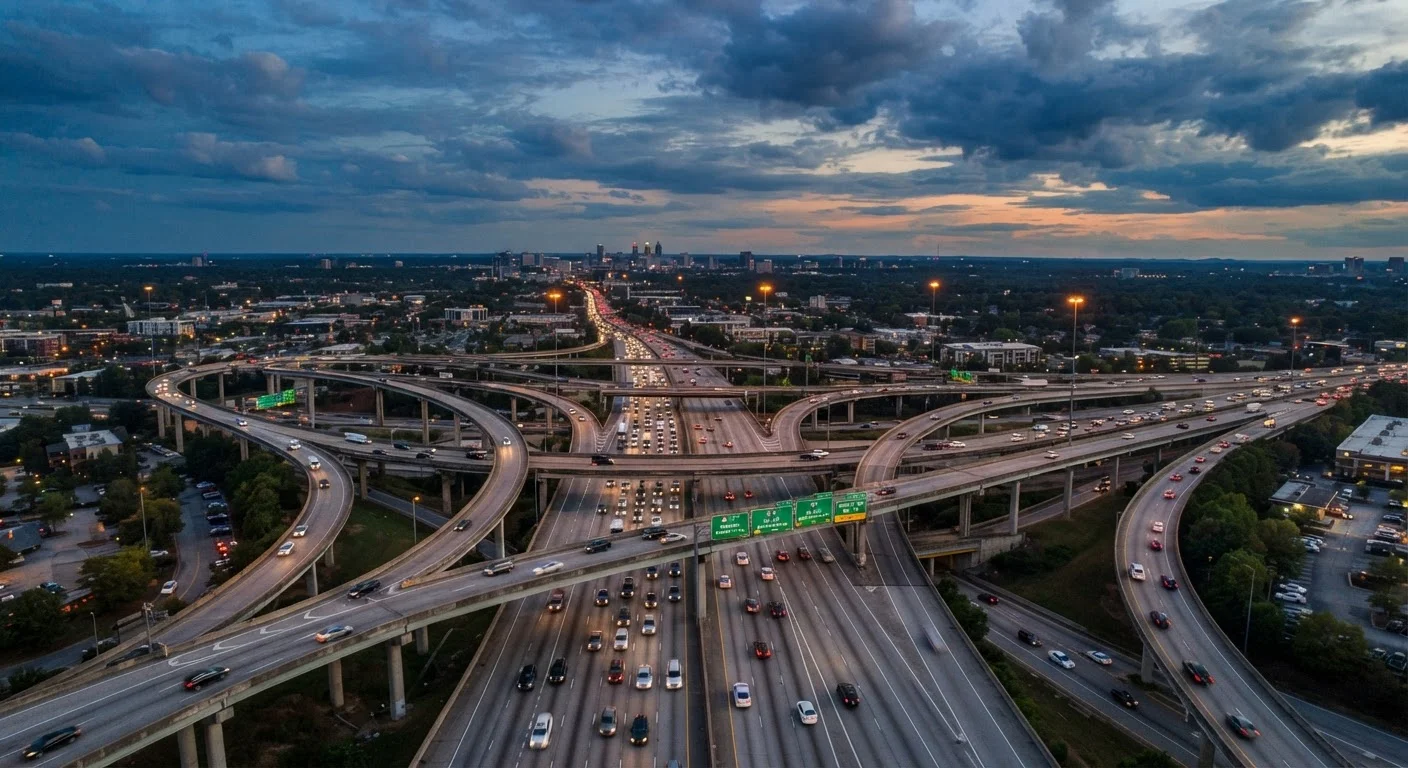
Photo: UltraSearches.com | Search Results You Can Trust editorial
Key Takeaways
- Tens of thousands of Americans die in traffic crashes each year - most are preventable.
- Driver behavior, including distraction and impairment, accounts for the majority of crashes.
- Traffic laws vary by state; knowing your local rules is a legal and safety obligation.
- Road design and vehicle safety technology reduce risk but cannot eliminate it.
- Vulnerable users like pedestrians and cyclists face disproportionately higher crash risk.
- Building consistent safe driving habits is the single most effective personal risk-reduction strategy.
The State of Road Safety in the United States
The United States has one of the most extensive road networks in the world - and one of the more sobering traffic fatality records among high-income nations. According to the National Highway Traffic Safety Administration (NHTSA), more than 40,000 people die in motor vehicle crashes in a typical year, with millions more sustaining injuries. That translates to a daily toll affecting families and communities across every state.
Despite improvements in vehicle engineering, infrastructure, and public awareness campaigns over recent decades, fatality rates have plateaued - and in some recent periods, increased. Understanding why requires looking at the full picture: laws, driver behavior, road conditions, and the interaction between them.
40,000+
Annual U.S. traffic fatalities
NHTSA estimates consistently show more than 40,000 people die in U.S. motor vehicle crashes in a typical year.
~29%
Fatal crashes involving speeding
According to NHTSA data, speeding is a contributing factor in roughly 29% of all traffic fatalities annually.
3 feet
Minimum passing distance for cyclists
Most U.S. states legally require drivers to provide at least three feet of clearance when passing a bicyclist.
This guide is designed to give everyday U.S. drivers a clear, factual foundation for understanding road safety - not to alarm, but to inform. Better decisions start with accurate knowledge.
Core Traffic Laws Every Driver Must Know
Traffic law in the U.S. is primarily state-governed, meaning specific speed limits, right-of-way rules, and hands-free phone requirements can differ significantly depending on where you're driving. However, a set of foundational principles applies broadly across all jurisdictions.
- Speed limits: Posted limits reflect maximum legal speeds under ideal conditions. Driving at the limit during rain, fog, or heavy traffic may still be considered negligent if conditions warrant slower speeds.
- Right-of-way: Intersections, roundabouts, and merges each have specific right-of-way rules. Misunderstanding these is a frequent contributor to crashes.
- Impaired driving: All states set a blood alcohol concentration (BAC) limit of 0.08% for most drivers, with lower thresholds for commercial drivers and those under 21. Drug impairment laws are expanding as more states address cannabis and prescription drug use behind the wheel.
- Distracted driving: Most states ban handheld phone use while driving. Some prohibit all mobile device use. Penalties range from fines to license suspension.
- Seat belts and child restraints: All 50 states require seat belts; child restraint laws vary by age, weight, and height thresholds.
For rules specific to school zones, work zones, and emergency vehicles - situations where violations carry elevated penalties - see our guide to high-stakes road situations.
Check Your State's Specific Rules
The Most Common Causes of Crashes
NHTSA data consistently shows that driver behavior is the critical factor in the vast majority of crashes. The leading contributors include:
- Distracted driving: Taking eyes off the road for even five seconds at highway speed covers the length of a football field without looking. Phone use is the most cited distraction, but eating, adjusting controls, and passenger interactions also contribute.
- Speeding: Higher speeds reduce reaction time and dramatically increase crash severity. Speeding was a factor in roughly 29% of traffic fatalities in a recent NHTSA reporting period.
- Impaired driving: Alcohol, drugs, and even drowsiness impair judgment, coordination, and reaction time. Drowsy driving is frequently underreported but produces impairment comparable to alcohol.
- Failure to yield and intersection errors: A significant share of urban crashes occur at or near intersections due to misjudging gaps, running red lights, or ignoring stop signs.
- Aggressive driving: Tailgating, improper lane changes, and road rage escalate risk for everyone on the road.
Drowsy Driving Is Impaired Driving
For a deeper look at how situational awareness and anticipation can counter these risks, the defensive driving mindset guide is a practical next read.
Road Design, Infrastructure, and Your Safety
Not all crash risk originates with the driver. Road design plays a measurable role. Features like median barriers, rumble strips, clear signage, adequate lighting, and well-maintained pavement surfaces are all linked to lower crash rates. Conversely, poorly marked intersections, sharp curves without advisory speeds, and deteriorating road surfaces elevate risk even for attentive drivers.
The Federal Highway Administration and state DOTs use research-backed standards to design and maintain roads, but budget constraints mean not all roads meet current safety benchmarks. Drivers should adjust their behavior accordingly - particularly on rural two-lane roads, which account for a disproportionate share of fatal crashes despite carrying less traffic than urban corridors.
Road signs are a critical communication layer between infrastructure and the driver. Many warning signs are routinely missed or misread. Our road signs reference covers what they mean in practice.
Rural Roads Carry Outsized Fatal Crash Risk
Driver Responsibilities and Safe Habits
Legal compliance is the floor, not the ceiling. Responsible driving means actively managing risk, not just avoiding violations. A few habits have outsized impact:
- Scanning ahead: Look 10-15 seconds down the road rather than fixating on the vehicle immediately in front of you. This gives more time to respond to hazards.
- Maintaining following distance: The three-second rule (maintain at least three seconds of gap to the vehicle ahead) provides a baseline. Increase it in adverse conditions.
- Adjusting for conditions: Rain, snow, ice, glare, and fog all degrade stopping distances and visibility. Speed and following distance should be adjusted accordingly - not just maintained at posted limits.
- Vehicle maintenance: Tire condition, brake function, and lighting directly affect your ability to control the vehicle. These are owner responsibilities. For more on managing your vehicle's upkeep, see our vehicle ownership hub.
Treat every green light as a proceed-when-safe signal, not a guaranteed right-of-way. Glance left and right before entering any intersection, even when you have the green.
Before a long drive, check your tire pressure cold - not after you've already been on the road. Pressure readings rise with heat and can mask underinflation.
For those newer to the road, our new driver safety guide addresses foundational habits from the ground up.
Vulnerable Road Users: Pedestrians, Cyclists, and Motorcyclists
People outside of enclosed vehicles face significantly higher injury and fatality risk in crashes. Pedestrian deaths have risen sharply in recent years; NHTSA data shows pedestrian fatalities reached their highest level in decades in a recent reporting period. Cyclists and motorcyclists are similarly overrepresented in crash fatality statistics relative to their share of road use.
For drivers, this translates into specific obligations: yielding to pedestrians in crosswalks (legally required in all states), giving cyclists adequate passing distance (three feet is the legal minimum in most states), and recognizing that motorcycles are harder to see and stop faster than cars. Blind spot awareness is especially critical when motorcycles and cyclists may be present.
Dooring and Intersection Risk for Cyclists
What to Do After a Crash
Even the most careful driver can be involved in a crash. Knowing what to do immediately afterward matters for safety, legal, and insurance purposes.
- Check for injuries and call 911 if anyone is hurt or if vehicles are blocking traffic.
- Move to safety if the vehicles are driveable and it is safe to do so; turn on hazard lights.
- Do not admit fault at the scene. Fault determination is a legal process informed by evidence, not roadside statements.
- Exchange information: Name, contact details, license plate, driver's license number, and insurance information with all involved parties.
- Document the scene: Photographs of vehicle positions, damage, road conditions, and signage can be important for insurance claims.
- Notify your insurer as soon as practical. Most policies require prompt reporting regardless of who was at fault.
Auto insurance coverage, including what's required by law and what gaps are common, is a separate but closely related area of vehicle ownership knowledge worth reviewing before you need it.
This article provides general educational information about road safety and U.S. traffic laws. It is not legal advice, and laws vary by state. Consult your state's DMV or a qualified legal professional for guidance specific to your situation.
The content on this site is for informational purposes only and is not a substitute for professional advice. Always consult a qualified professional for guidance specific to your situation.