
Depreciation Explained: Why Your Car Loses Value the Moment You Drive It

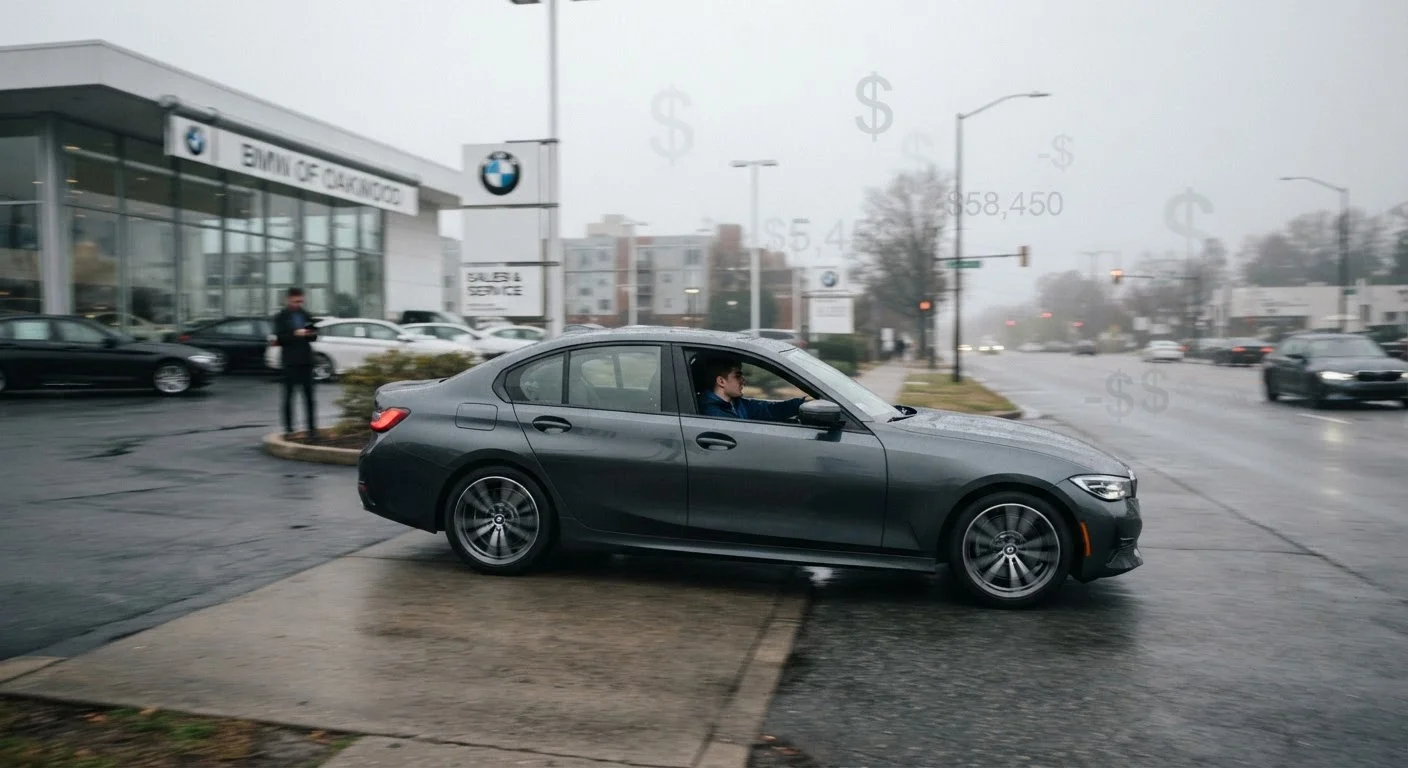
Photo: UltraSearches.com | Search Results You Can Trust editorial
Key Takeaways
- New cars typically lose 15-25% of their value in the first year of ownership.
- A car's make, model, mileage, and condition all directly affect how fast it depreciates.
- Depreciation is the single largest cost of car ownership for most drivers.
- Buying a lightly used vehicle can significantly reduce your exposure to steep early depreciation.
- Proper maintenance can slow depreciation by preserving condition and service records.
Why Depreciation Hits Hardest in the Early Years
The steepest portion of a vehicle's depreciation curve occurs in the first three to five years of ownership. Industry valuation data consistently shows that new cars lose a significant share of their value during this window - with the first year accounting for the largest single drop.
The reason is partly psychological and partly market-driven. The moment a car is registered and driven, it becomes a used vehicle. A buyer who wants a "new" car cannot purchase yours, which immediately narrows your pool of potential buyers and suppresses the resale price.
After the first year, depreciation continues but typically slows. By years four and five, a car may have lost anywhere from 40% to 60% of its original value depending on the make, model, and market conditions. Understanding this curve is important when you're calculating the true cost of owning a car - because depreciation often exceeds what drivers spend on fuel or insurance over the same period.
~20%
Average first-year depreciation for new cars
Industry valuation sources consistently estimate new vehicles lose roughly 15-25% of their value within the first 12 months of ownership.
~50%
Value lost within five years on average
After five years, many vehicles retain only about half their original purchase price, making depreciation the largest single cost of ownership for most drivers.
#1
Depreciation's rank among car ownership costs
According to AAA's annual 'Your Driving Costs' study, depreciation consistently ranks as the highest annual expense of vehicle ownership, exceeding fuel and insurance.
The Factors That Accelerate or Slow Value Loss
Depreciation isn't uniform across all vehicles. Several variables determine how quickly a particular car sheds value:
- Mileage: Higher annual mileage accelerates wear and signals heavier use to future buyers, directly lowering resale value.
- Condition: Dents, interior damage, worn tires, and deferred maintenance all reduce what a buyer is willing to pay.
- Market demand: Vehicles in categories with consistent consumer demand - such as pickup trucks and compact SUVs - often depreciate more slowly than sedans or niche models with thinner resale markets.
- Fuel type: The resale landscape for electric and hybrid vehicles is still evolving, and residual values can be significantly affected by changes in charging infrastructure, battery technology, and government incentive programs.
- Accident history: A reported accident on a vehicle's history can reduce resale value even after repairs are completed, because future buyers perceive elevated risk.
Keeping up with routine maintenance - and retaining service records - signals to buyers that the vehicle was well cared for, which can modestly support resale value.
Keep Your Service Records
Depreciation in Real-World Ownership Decisions
Knowing how depreciation works changes how you should think about buying, selling, and maintaining a vehicle.
Buying used to sidestep the early drop: A car that is two or three years old has already absorbed its steepest depreciation. Purchasing at that stage means you're paying a price closer to the vehicle's remaining useful life - and the rate of further loss has moderated. This is one of the more durable strategies for managing vehicle ownership costs.
Timing a trade-in or sale: If you're planning to sell or trade in a vehicle, doing so before mileage crosses commonly used thresholds (such as 100,000 miles) can make a meaningful difference in what you're offered. For guidance on keeping a higher-mileage vehicle running well if you decide to hold on longer, see our guide on high-mileage car maintenance.
Maintenance protects resale value: Consistent upkeep is one of the few things within a driver's control when it comes to depreciation. A well-documented service history, clean interior, and absence of deferred repairs can meaningfully separate your car's value from a comparable neglected vehicle. Avoid common missteps by reading about car maintenance myths that cost drivers real money.
This article is for general informational purposes only and does not constitute financial or investment advice. Consult a qualified financial professional regarding decisions specific to your situation.
Frequently Asked Questions
The content on this site is for informational purposes only and is not a substitute for professional advice. Always consult a qualified professional for guidance specific to your situation.