
The True Cost of Owning a Car in America

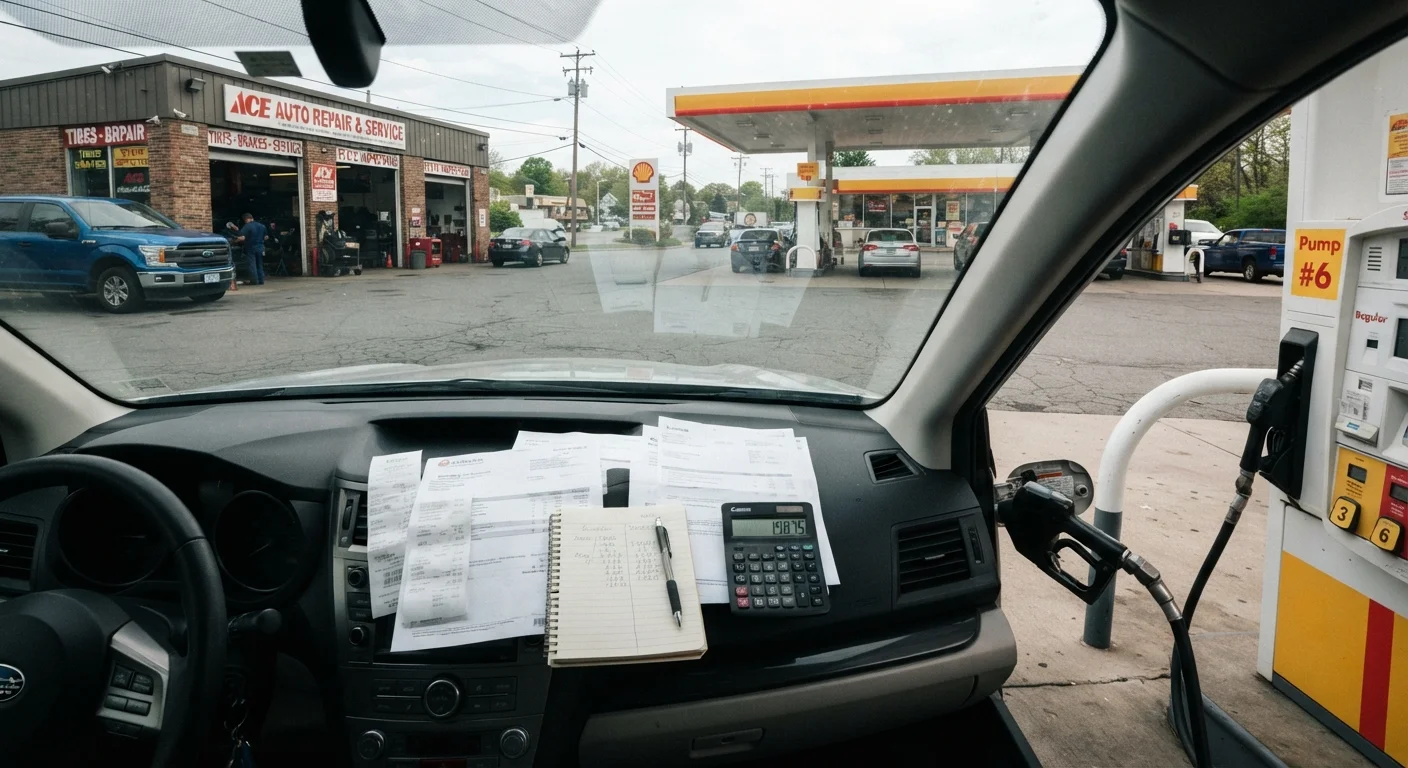
Photo: UltraSearches.com | Search Results You Can Trust editorial
Key Takeaways
- AAA estimates the average American spends over $12,000 per year to own and operate a new vehicle.
- Depreciation typically accounts for 35-50% of total ownership cost over five years.
- Insurance, fuel, and maintenance each add hundreds to thousands annually on top of loan payments.
- Budgeting for all cost categories - not just monthly payments - prevents financial surprises.
- Used vehicles can reduce depreciation impact but may carry higher maintenance risk.
Why the Sticker Price Is Just the Starting Point
Most Americans focus on the purchase price - or the monthly loan payment - when sizing up whether they can afford a car. But the true cost of ownership extends well beyond what you pay at the dealership. Fuel, insurance, routine upkeep, registration, and the steady loss of a vehicle's value all combine to create an annual bill that routinely exceeds what drivers expect.
Understanding the full picture before you commit helps you make a more informed decision - whether you're weighing a new vehicle against a used one, or reconsidering whether you need a car at all. This guide breaks down every major cost category so you know what you're actually signing up for.
For a broader look at how hidden charges can inflate what you ultimately pay for big purchases, see how hidden costs inflate real purchase prices.
$12,182
Average annual cost to own a new vehicle
According to AAA's Your Driving Costs study, which includes depreciation, fuel, insurance, maintenance, and fees.
~50%
Value lost in first five years (depreciation)
Industry estimates from sources including Edmunds indicate a new car loses roughly half its value within five years of purchase.
$1,700+
Average annual auto insurance cost
AAA's driving cost research places average insurance for new vehicles above $1,700 per year, with significant regional variation.
Depreciation: The Biggest Cost Most Drivers Ignore
Depreciation - the decline in a vehicle's market value over time - is the single largest ownership cost for most drivers, yet it's the one least discussed at the point of sale. A new car can lose roughly 20% of its value in the first year alone, and up to 50% within five years, according to industry data from sources such as Edmunds and AAA.
This matters most if you plan to sell or trade in the vehicle later, but it also affects you if the car is totaled in an accident. Your insurer may pay out what the vehicle was worth at the time of the loss - not what you originally paid for it. Understanding the difference between actual cash value and replacement cost coverage is worth your time; actual cash value vs. replacement cost in auto claims explains how these payouts work and why the gap can be thousands of dollars.
Depreciation hits hardest in years one through three. Buying a vehicle that is two to three years old means someone else has absorbed that steepest drop - a meaningful factor when comparing new versus used.
When evaluating a used vehicle, run the VIN through a vehicle history report service and budget for a pre-purchase inspection by an independent mechanic - typically $100-$150 well spent.
Use the total cost of ownership - not monthly payment - as your primary comparison metric when choosing between two vehicles.
Insurance, Fuel, and Financing
Auto insurance is a legal requirement in nearly every U.S. state, and premiums vary widely based on your driving record, location, vehicle type, and the coverage levels you carry. AAA's annual Your Driving Costs study has consistently placed average insurance costs for new vehicles in the range of $1,500-$2,000 per year, though urban drivers and younger motorists often pay significantly more. For a comprehensive overview of how auto insurance works, visit auto and home insurance basics.
Fuel is the most variable expense - tied to gas prices, your vehicle's efficiency rating, and how many miles you drive. The U.S. Department of Energy's fueleconomy.gov tool lets you calculate annual fuel cost estimates based on your specific vehicle and local fuel prices. Drivers averaging 15,000 miles per year in a mid-size sedan can expect fuel costs of $1,500-$2,500 annually depending on current prices.
Financing charges add to the total cost if you carry a loan. Even a modest interest rate compounded over a 60- or 72-month term can add thousands to the vehicle's effective purchase price. Paying down a loan faster or making a larger down payment reduces total interest paid.
Long Loan Terms Cost More Overall
Maintenance, Repairs, and Registration Fees
Regular maintenance - oil changes, tire rotations, brake inspections, fluid checks - is non-negotiable for keeping a vehicle reliable and preserving its resale value. AAA estimates that maintenance and repair costs average around $1,000-$1,200 per year for a newer vehicle, though older cars or high-mileage vehicles can push that figure considerably higher. Skipping scheduled service typically leads to larger, more expensive repairs down the road. Our guide on routine maintenance intervals and what they involve covers what's actually required and how often.
If you're a first-time owner, building good maintenance habits early makes a measurable difference in long-term costs. Car ownership maintenance for first-time drivers is a practical starting point.
Registration and taxes vary significantly by state. Annual registration fees typically range from $50 to over $500 depending on your state and vehicle weight or value. Some states also levy a personal property tax on vehicles each year. Factor these into your budget when comparing ownership costs across different locations.
Set Up a Dedicated Car Fund
How to Build a Realistic Ownership Budget
Add up all cost categories - not just your loan payment - to arrive at a true monthly ownership figure. A straightforward framework:
- Depreciation: Estimate expected value loss over your planned ownership period.
- Loan interest: Total interest paid over the loan term, divided by months of ownership.
- Insurance: Annual premium divided by 12.
- Fuel: Annual miles ÷ MPG × average local gas price.
- Maintenance and repairs: Budget $80-$100/month as a baseline for newer vehicles; more for older ones.
- Registration and fees: Annual cost divided by 12.
Summing these figures will almost always produce a higher number than the loan payment alone - often by a factor of 1.5 to 2. That reality check is exactly the point. Knowing the full annual cost lets you evaluate whether a given vehicle genuinely fits your budget or whether a less expensive or more fuel-efficient option serves your financial goals better.
This article is for general informational and educational purposes only and does not constitute financial, legal, or insurance advice. Actual costs vary by individual circumstances, location, and vehicle. Consult a qualified financial professional for guidance tailored to your situation.
Electric Vehicle Costs Differ Significantly
The content on this site is for informational purposes only and is not a substitute for professional advice. Always consult a qualified professional for guidance specific to your situation.