
Routine Maintenance Your Car Actually Needs-and How Often

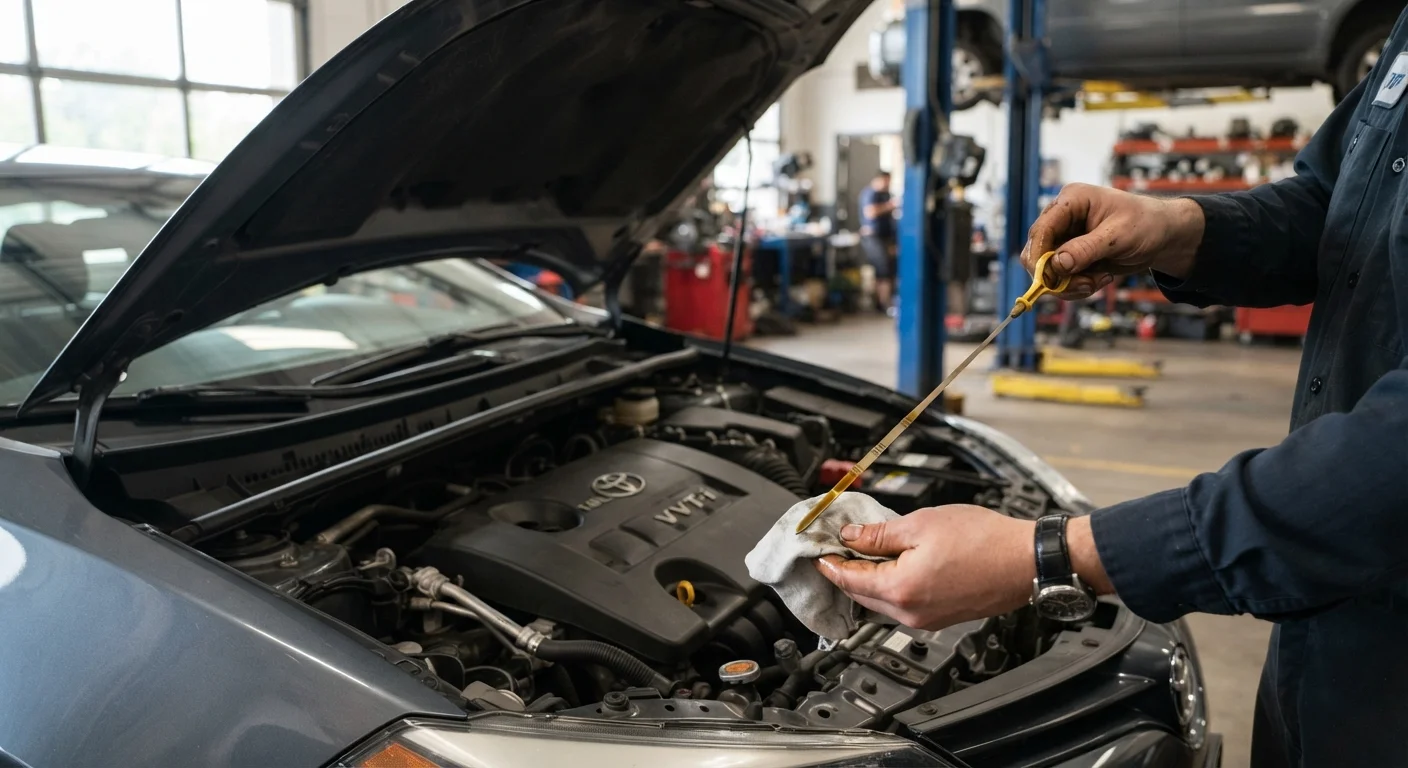
Photo: UltraSearches.com | Search Results You Can Trust editorial
Key Takeaways
- Most modern vehicles need oil changes every 5,000-10,000 miles, not every 3,000.
- Skipping routine maintenance can turn minor wear into major, costly repairs.
- Your owner's manual sets the authoritative maintenance schedule for your specific vehicle.
- Tire rotations, brake inspections, and fluid checks are low-cost ways to avoid high-cost failures.
- Keeping service records protects resale value and supports warranty claims.
Why Routine Maintenance Is a Financial Decision
Vehicle ownership in the U.S. carries real ongoing costs - and maintenance is one of the few you can directly control. Skipping or delaying scheduled service rarely saves money in practice; it typically shifts costs to a later, more expensive repair. A $50 oil change ignored for too long can contribute to engine wear that costs thousands to address. Understanding which services actually matter - and when - is foundational to managing the true cost of owning a car over time.
This article covers the maintenance tasks that carry the clearest mechanical and financial justification, along with realistic intervals based on standard industry guidance. It is general information - your vehicle's owner's manual is the authoritative source for your specific make, model, and engine.
$1,200+
Average annual vehicle maintenance and repair cost
According to AAA, U.S. drivers pay roughly $1,200 per year on average for vehicle maintenance and repairs, a figure that rises sharply when routine service is deferred.
5,000-10,000 mi
Recommended oil change interval for modern engines
Most current manufacturer schedules call for oil changes every 5,000 to 10,000 miles depending on oil type and engine design - not the traditional 3,000-mile rule.
The Core Maintenance Tasks - and What They Actually Protect
Not all maintenance is equal. Some tasks prevent catastrophic failures; others preserve comfort or efficiency. The practices below focus on items with demonstrated consequences when neglected. For a deeper look at how manufacturers structure these into a cohesive timeline, see the logic behind manufacturer maintenance schedules.
Follow your owner's manual for oil change intervals, not the sticker on your windshield.
Rotate your tires every 5,000-7,500 miles to extend tread life evenly.
Have brakes inspected at least once a year or whenever you notice squealing, grinding, or a soft pedal.
Check and top off all major fluids every time you change your oil.
Replace your air filter every 15,000-30,000 miles or when visibly dirty.
Keep a written or digital service log for every maintenance visit.
Your Manual Overrides General Advice
Quick Actions You Can Take This Week
Some maintenance-related habits don't require a shop visit. These immediate steps cost little or nothing and can catch problems before they grow. For a broader look at which tasks are safely handled at home versus which genuinely require professional tools, see our overview of DIY maintenance vs. taking it to the shop.
Bundle Services to Save on Labor
If your vehicle has crossed the 100,000-mile threshold, some of these intervals may tighten. High-mileage vehicles have distinct upkeep considerations covered in detail in keeping a high-mileage car on the road.
Separating Necessary Maintenance from Common Myths
Some widely repeated maintenance advice - change your oil every 3,000 miles, always warm up your engine before driving - doesn't reflect how modern vehicles actually work. Following outdated guidance costs real money without adding protection. For a fact-based breakdown of which common beliefs hold up and which don't, see common beliefs about car maintenance that don't hold up and car maintenance myths that cost drivers real money.
“Deferred maintenance doesn't save money - it relocates the cost to the future, usually at a higher price and a worse time.”
— Automobile Editorial Team, Vehicle ownership and maintenance analysts
Staying current on car maintenance fundamentals also means keeping records. A documented service history isn't just useful for your own tracking - it affects resale value and warranty eligibility. Learn more about why that paper trail matters in keeping maintenance records.
This article provides general vehicle maintenance information for educational purposes. It is not a substitute for guidance from a qualified mechanic familiar with your specific vehicle. Maintenance intervals and costs vary by make, model, driving conditions, and region.
The content on this site is for informational purposes only and is not a substitute for professional advice. Always consult a qualified professional for guidance specific to your situation.