
Why Skipping an Independent Inspection Before Buying a Used Car Is Risky

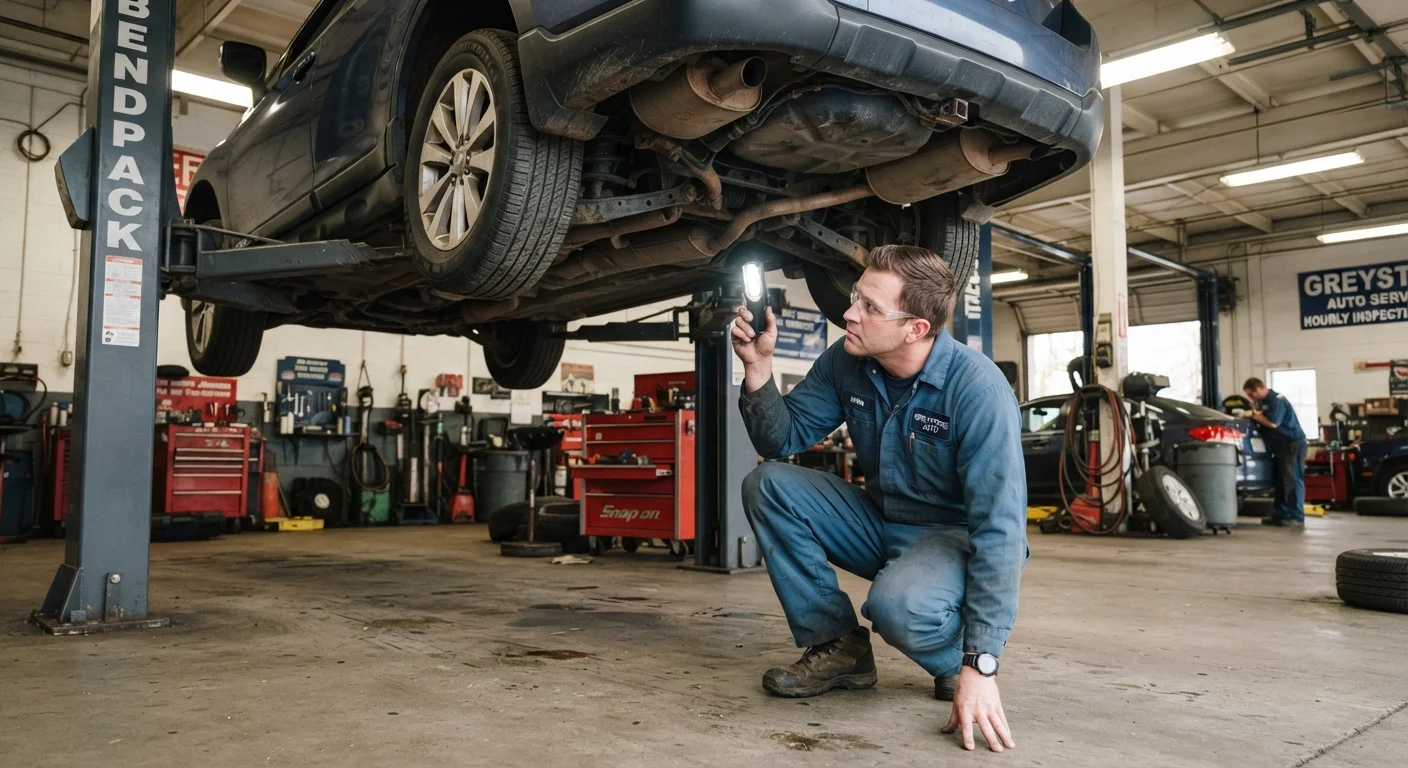
Photo: UltraSearches.com | Search Results You Can Trust editorial
Key Takeaways
- A pre-purchase inspection (PPI) typically costs $100-$200 and can reveal problems worth thousands in repairs.
- Independent mechanics have no financial stake in the sale, making their assessment more objective than a dealer's.
- A vehicle history report is useful but incomplete - it won't catch mechanical wear, rust, or undisclosed repairs.
- Even certified pre-owned vehicles can benefit from a second set of eyes from a mechanic you choose yourself.
- Sellers who refuse to allow an inspection are a significant red flag worth taking seriously.
What a Pre-Purchase Inspection Actually Covers
A pre-purchase inspection (PPI) is an examination of a used vehicle by a licensed mechanic - one you hire independently, not someone affiliated with the seller. A thorough PPI typically takes one to two hours and covers the engine, transmission, brakes, suspension, exhaust, tires, electrical systems, and body condition. The mechanic will often use a lift to inspect the undercarriage for rust, leaks, or evidence of collision repairs that cosmetic bodywork may have concealed.
The written report you receive gives you documented leverage. You can use it to renegotiate the price, request that the seller fix specific issues, or simply walk away informed rather than blindsided. For context on what ongoing maintenance looks like after purchase, see our guide on routine maintenance your car actually needs.
Relying solely on a vehicle history report as proof the car is problem-free.
Accepting the seller's word or an in-house dealer inspection as sufficient.
Skipping the inspection to avoid losing the car to another buyer.
Assuming a low-mileage car needs no inspection.
Overlooking the cost of deferred maintenance when negotiating price.
The Real Financial Stakes
Used-car buyers who skip the PPI are essentially accepting unknown mechanical risk on what is often a $10,000-$30,000+ purchase. Common findings that inspections surface include worn brake components, failing CV joints, oil leaks, timing chain wear, and compromised frame integrity - repairs that can collectively run well into four figures.
$100-$200
Typical cost of a pre-purchase inspection
Most independent repair shops and mobile inspection services charge within this range for a comprehensive used-vehicle PPI.
~40%
Used cars with undisclosed mechanical issues
Industry estimates from vehicle inspection services suggest a significant share of used vehicles presented for sale have at least one notable mechanical deficiency not disclosed by the seller.
A vehicle history report from a reputable data provider is a worthwhile starting point, but it only reflects what has been reported: insurance claims, title changes, and some service records. It will not tell you whether the engine mounts are cracked or the transmission fluid looks burnt. Understanding the differences between vehicle types - including what warranty coverage actually comes with certified pre-owned listings - is covered in our guide to new, used, and CPO vehicles.
Don't Confuse a Test Drive with an Inspection
Mistakes That Put Buyers at Risk
The errors below represent the most common missteps used-car buyers make when evaluating a vehicle. Recognizing them ahead of time is the most practical form of protection.
A Refused Inspection Is a Red Flag
Taking these mistakes seriously before you sign could save you from unexpected repair bills and the frustration of owning a car that needs immediate work. For broader purchasing discipline, the same due-diligence mindset applies whether you're buying a car or a consumer device - see our smart buying tips hub for related guidance.
The content on this site is for informational purposes only and is not a substitute for professional advice. Always consult a qualified professional for guidance specific to your situation.