
The Science Behind Why Chronic Stress Wears the Body Down

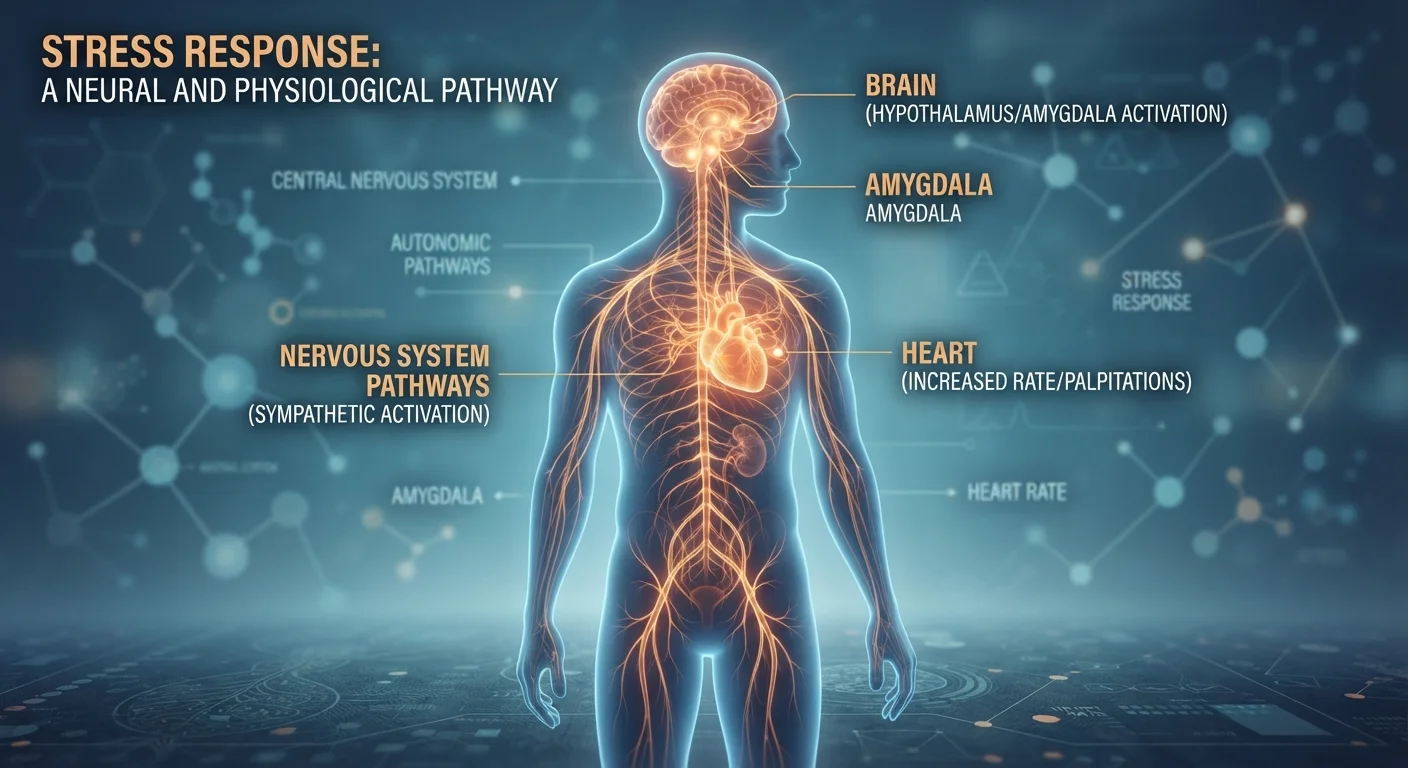
Photo: UltraSearches.com | Search Results You Can Trust editorial
Key Takeaways
- Chronic stress keeps the body's fight-or-flight system switched on longer than it was designed to sustain.
- Prolonged cortisol elevation can impair immune function, sleep quality, and cardiovascular health.
- The brain's structure can be physically altered by long-term stress, affecting memory and emotional regulation.
- Recognizing the physical signs of chronic stress is the first step toward addressing it.
- Evidence-based strategies and professional support can meaningfully reduce the body's stress burden.
How the Body's Stress Response Was Designed to Work
The human stress response - often called "fight or flight" - is a finely tuned survival system. When the brain perceives a threat, the hypothalamus signals the adrenal glands to release cortisol and adrenaline. Heart rate rises, blood is redirected to muscles, digestion slows, and attention sharpens. In short bursts, this response is not only normal but protective.
The problem arises when this system stays activated. Modern stressors - financial pressure, workplace demands, relationship strain - don't resolve the way a physical threat does. The body responds identically whether the danger is a predator or an overflowing inbox, and it has no reliable mechanism to distinguish between a threat that's gone and one that lingers.
Stress Is Biological, Not a Character Flaw
This is why understanding the physical dimension of stress matters. It isn't a willpower issue or a sign of weakness - it's biology operating exactly as designed, in conditions it wasn't designed for.
What Sustained Cortisol Does to Core Body Systems
Cortisol is essential at the right levels, but chronically elevated cortisol disrupts almost every major system in the body.
- Immune function: Cortisol suppresses inflammation as part of its normal role - useful in short bursts, but extended suppression reduces the body's ability to fight pathogens and repair tissue.
- Cardiovascular system: Persistent stress keeps blood pressure elevated, increasing strain on artery walls and the heart over time. Research published in medical literature consistently identifies chronic psychosocial stress as a contributing factor to cardiovascular risk.
- Digestion: The gut-brain axis is sensitive to stress hormones. Chronic stress can alter gut motility and microbiome composition, contributing to symptoms like nausea, cramping, or irregular bowel habits.
- Sleep: Elevated cortisol in the evening - when it should naturally taper - disrupts the transition into restorative sleep stages. Poor sleep, in turn, raises cortisol the following day, creating a reinforcing cycle.
77%
Americans reporting physical stress symptoms
According to American Psychological Association survey data, a substantial majority of U.S. adults regularly experience physical symptoms they associate with stress, including fatigue and headaches.
2x
Elevated cardiovascular risk with chronic stress
Research published in cardiology literature suggests individuals with persistently high psychosocial stress may face roughly double the risk of certain cardiovascular events compared to lower-stress counterparts.
40%
Reduction in immune response under chronic stress
Meta-analyses of psychoneuroimmunology research indicate that chronic stress can substantially reduce markers of immune competence, including natural killer cell activity.
If evening restlessness is a pattern, structuring a wind-down routine may help interrupt this cycle.
The Brain Under Prolonged Stress
Neuroscience research has established that chronic stress doesn't just affect mood - it can measurably alter brain structure. The amygdala, which processes threat and emotion, can become more reactive with sustained stress exposure. Meanwhile, the prefrontal cortex - responsible for rational decision-making and emotional regulation - may show reduced activity and, in some studies, reduced gray matter volume following prolonged stress.
The hippocampus, central to memory formation, is particularly sensitive to glucocorticoids. Sustained high cortisol has been associated with hippocampal shrinkage in research using neuroimaging, which may partly explain why people under chronic stress often report brain fog, forgetfulness, and difficulty concentrating.
“The brain is not a fixed structure. It responds to experience - including the prolonged experience of stress - in ways that are measurable, meaningful, and, importantly, often reversible with appropriate intervention.”
— Bruce McEwen, Neuroendocrinologist, Rockefeller University (paraphrased from published research on allostatic load)
These findings underscore that stress is not purely a psychological experience - it has a neurological footprint. For more on how social environments modulate these effects, see what isolation does to the mind over time.
Recognizing When Stress Has Become Chronic
Many people normalize the physical symptoms of chronic stress - fatigue, recurring headaches, frequent colds, poor sleep - without connecting them to sustained psychological pressure. This normalization can delay recognition and, consequently, support.
Physical signals worth taking seriously include persistent muscle tension, unexplained digestive changes, difficulty recovering from minor illness, and sleep that doesn't feel restorative regardless of hours logged. Emotional signs - such as irritability, difficulty concentrating, or feeling perpetually overwhelmed - often accompany the physical ones.
Small Daily Habits Can Help Regulate Stress
For a closer look at where normal pressure ends and something more significant begins, this guide on recognizing when stress has crossed a line offers practical guidance. It's also worth noting that workplace stress and burnout differ meaningfully in how they present and what recovery looks like.
This article is for general informational and educational purposes only, and does not constitute medical advice. If you are experiencing symptoms you believe may be related to chronic stress or any other health condition, please consult a qualified healthcare professional.
Frequently Asked Questions
The content on this site is for informational purposes only and is not a substitute for professional advice. Always consult a qualified professional for guidance specific to your situation.